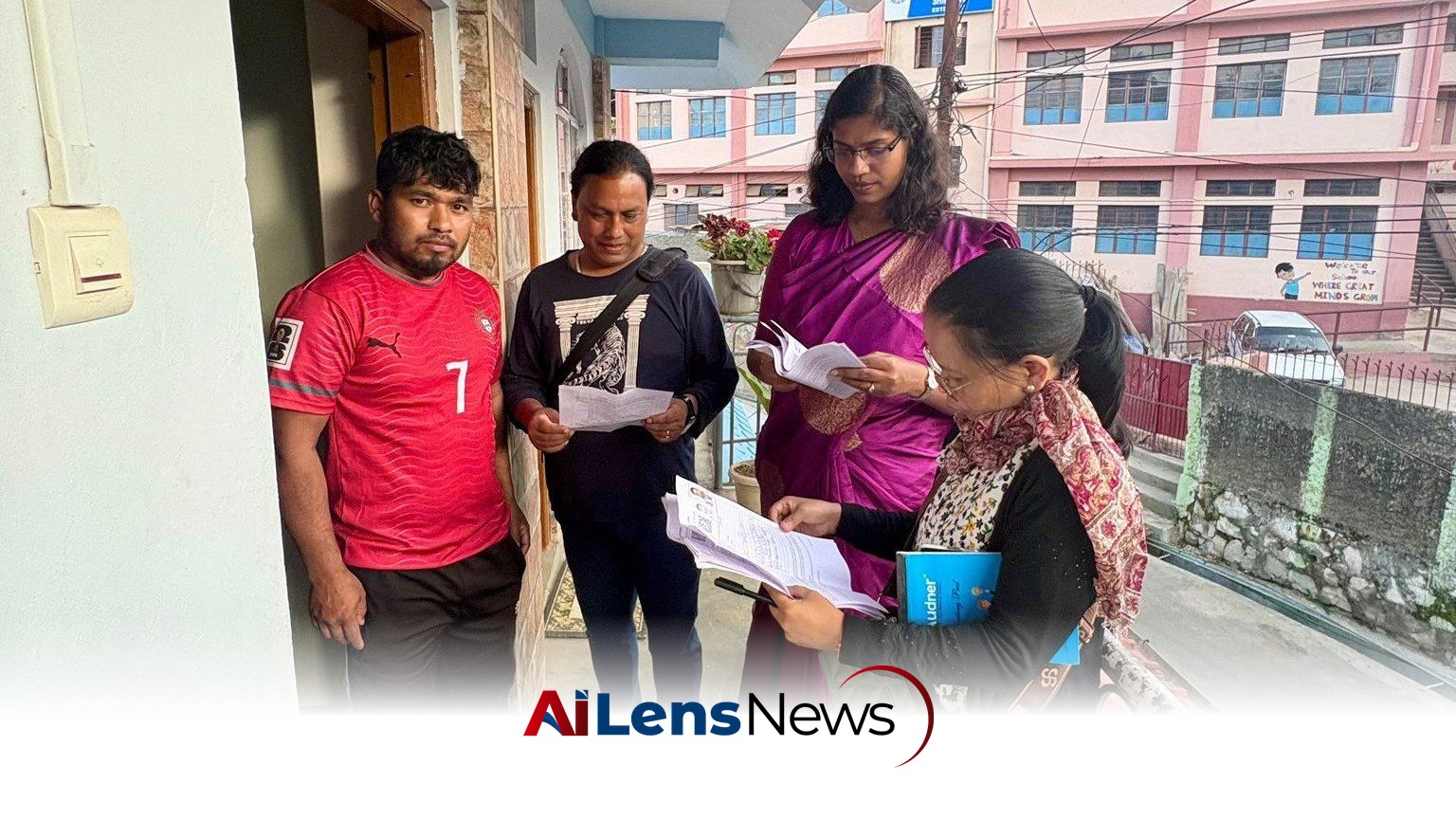


The Chief Electoral Officer has announced the successful completion of the house-to-house enumeration phase for the Special Intensive Revision 2026, covering all voters in the state.
Shillong, India Jul 30, 2026 ALN: The Chief Electoral Officer has announced the completion of the house-to-house phase of the Special Intensive Revision (SIR) 2026, marking a significant milestone in the electoral process in the region. This initiative is part of a broader effort to ensure that the electoral rolls are accurate, comprehensive, and up-to-date, reflecting the current demographics of the state. The SIR aims to enhance voter participation and ensure that every eligible citizen has the opportunity to exercise their democratic rights.
The SIR 2026 has successfully covered one hundred per cent of the state’s electorate, which comprises a total of 23,49,645 voters. This extensive enumeration process involved the distribution of enumeration forms to every eligible voter in the state, and all filled-out forms have been digitized for ease of access and management. The digitization of these forms is a crucial step in modernizing the electoral process, allowing for more efficient data handling and analysis. As technology continues to evolve, the integration of digital tools into the electoral process helps streamline operations and improve transparency.
According to the data collected during this enumeration phase, 7,75,337 electors, accounting for 33 per cent of the total, have been mapped as “self.” This categorization means that these individuals have linked their electoral records to the 2005 electoral roll, which serves as a historical reference point for voter registration. This linkage is essential for maintaining the integrity of the electoral process, ensuring that voters are accurately represented and preventing fraudulent registrations. The self-mapping process not only facilitates a smoother registration experience but also helps in building a more reliable electoral database.
In addition, a significant portion of the electorate, specifically 11,69,670 electors or 49.78 per cent, have been classified as “progeny.” This designation indicates that these voters have established their eligibility to vote through their parents or grandparents, further emphasizing the importance of familial connections in the electoral registration process. Such mapping not only aids in understanding the lineage of voters but also reinforces the continuity of electoral participation within families across generations. This aspect of voter registration highlights the cultural and social dynamics that play a role in electoral participation, as voting often becomes a familial tradition.
However, the enumeration process also revealed challenges, as a total of 2,24,234 electors, or 9.54 per cent, could not be linked to any existing records and have been placed under the “no mapping” category. This highlights a crucial area that requires attention, as these cases will undergo detailed verification during the claims and objections period, which is scheduled to run from August 5 to October 3. During this timeframe, electors will have the opportunity to submit the necessary documents to establish their eligibility and rectify any discrepancies in their records. The claims and objections period is a vital component of the electoral process, as it allows for the correction of errors and ensures that the electoral rolls reflect the true demographic landscape of the electorate.
The verification process is guided by the Registration of Electors Rules 1960 and the Election Commission's guidelines, ensuring that it adheres to established legal frameworks. This period is critical, as it allows for the identification and resolution of any issues that may impede an individual's right to vote, thereby enhancing the overall credibility of the electoral system. The legal framework surrounding voter registration is designed to protect the rights of citizens while also upholding the integrity of the electoral process. It is imperative for citizens to understand their rights during this verification phase and to take proactive steps to ensure their eligibility is accurately represented.
In conjunction with the verification of “no mapping” cases, the initiative also includes an Absence Shifted, Dead/Deleted, or Duplicate (ASDD) verification process. During this phase, a total of 1,80,404 electors, or 7.68 per cent, have been identified under these categories. This includes a breakdown of 81,490 deceased individuals, 45,013 whose forms were not returned, 42,532 who have permanently shifted their residence, 4,668 who refused to submit forms, and 6,701 duplicate entries. Addressing these cases is critical for maintaining the accuracy of the electoral rolls and ensuring that only eligible voters are included in the upcoming elections. The identification of such discrepancies is essential for fostering public trust in the electoral process, as it demonstrates a commitment to accuracy and fairness.
As the enumeration phase concludes, the focus will shift towards the verification of the identified “no mapping” and ASDD cases. This transition is vital as it sets the stage for the next steps in the electoral process, which include the publication of the draft electoral roll. The draft electoral roll is scheduled to be published on August 5, marking another significant step in the electoral timeline. The publication of the draft electoral roll provides a transparent view of the electorate, allowing citizens to verify their inclusion and ensuring that any necessary corrections can be made in a timely manner.
The implications of this comprehensive enumeration and verification process extend beyond mere numbers. A well-maintained electoral roll is foundational to the democratic process, ensuring that every eligible citizen has the opportunity to participate in elections. It serves as a critical tool for fostering public confidence in the electoral system, as citizens are more likely to engage in the voting process when they believe that the system is fair and transparent. The integrity of the electoral rolls is directly linked to the legitimacy of the electoral process, and any lapses can lead to decreased voter turnout and disillusionment with democratic institutions.
Moreover, the completion of the enumeration phase and the subsequent verification processes will play a crucial role in the upcoming electoral cycle. With elections being a cornerstone of democracy, the integrity of the electoral rolls is paramount. Voter participation is often influenced by the perceived legitimacy of the electoral process, and any discrepancies or irregularities can lead to disenfranchisement and a lack of trust in democratic institutions. It is essential for electoral officials to communicate effectively with the electorate during this period, providing clear information on how to navigate the verification process and addressing any concerns that may arise.
As the state prepares for the next steps in the electoral process, it is essential for all stakeholders, including electoral officials, civil society organizations, and the electorate, to remain vigilant and engaged. Ensuring that every eligible voter is accurately represented on the electoral rolls is a collective responsibility that requires collaboration and transparency. Civic education initiatives can play a significant role in informing voters about their rights and the importance of participating in the electoral process. Engaging with communities and providing resources can empower citizens to take an active role in shaping the democratic landscape.
In summary, the completion of the enumeration phase for SIR 2026 in Shillong marks a critical juncture in the electoral process. With the successful mapping of voters, the identification of challenges, and the upcoming verification period, the stage is set for a more robust and trustworthy electoral system. As the draft electoral roll is published, it will be imperative for voters to actively participate in the verification process to safeguard their rights and ensure that their voices are heard in the democratic process. The successful execution of these processes will not only enhance the electoral experience for voters but also strengthen the overall democratic fabric of the region.
To learn more about the latest developments in Crime & Law, stay updated with our exclusive reports and analyses on AiLensNews.

