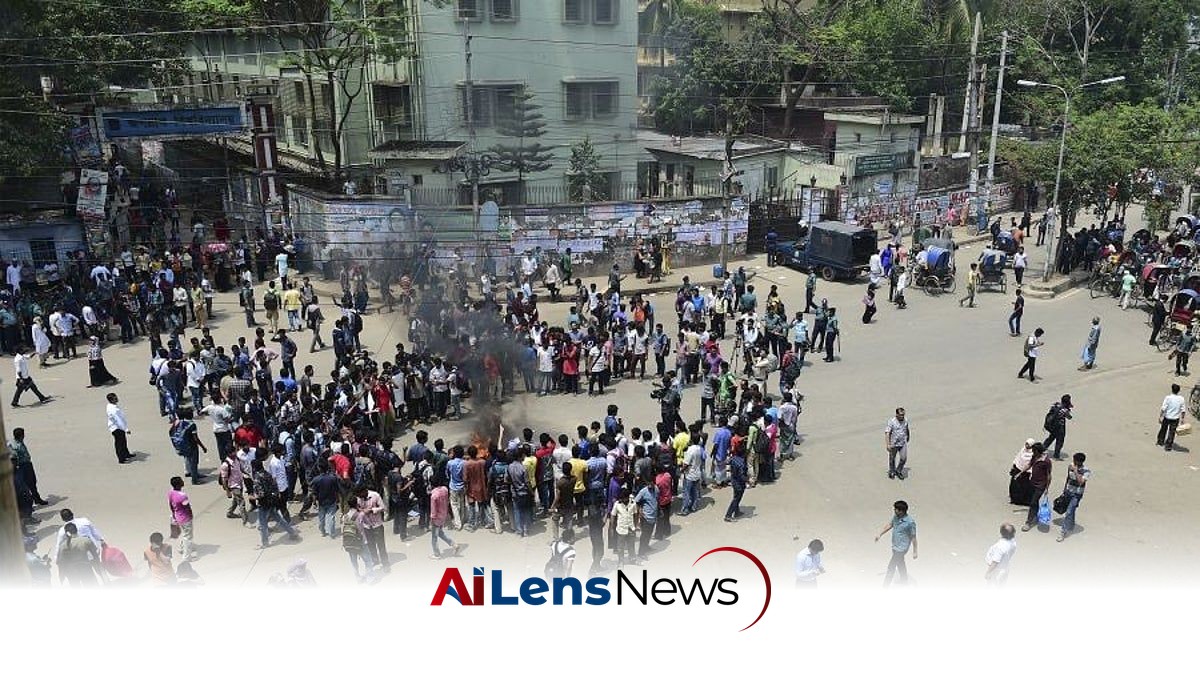


Student protests erupt in Bangladesh as Gen Z demands reforms following exam disruptions caused by flooding and controversial remarks from officials.
Shillong, India Jul 18, 2026 ALN: Bangladesh is currently experiencing a significant surge in student protests, primarily driven by the demands of Generation Z for urgent education reforms. These protests have emerged in the wake of the recent Higher Secondary Certificate (HSC) examinations, which have faced severe disruptions due to extreme weather conditions. The unrest has unfolded in major urban centers, including Dhaka and Chittagong, and comes less than five months after the Bangladesh Nationalist Party (BNP) assumed power, highlighting a growing discontent among the youth regarding the government's handling of educational issues.
The HSC examinations, which began on July 2, involved approximately 1.3 million candidates. Unfortunately, the exams were marred by torrential rain during the second week of July, leading to widespread flooding in various regions, particularly in Chittagong. This flooding was not merely a minor inconvenience; it caused significant disruptions, including the suspension of examinations in five districts under the Chittagong Education Board. The Ministry of Education's decision to continue exams in other areas, despite the adverse weather conditions, has sparked outrage among students and parents alike.
Many students faced perilous conditions while attempting to reach their examination centers. Reports indicate that students in regions like Comilla encountered knee-deep water and severe storms, which not only made travel hazardous but also adversely affected their ability to concentrate and perform well on their exams. The situation was exacerbated by the fact that numerous students were compelled to take their exams while unwell or unprepared due to the chaotic circumstances surrounding them. This has naturally led to a sense of frustration and anger among the student body, as well as their families.
The situation escalated further when Bangladesh's Education Minister, A N M Ehsanul Hoque Milon, made controversial remarks during a phone conversation with the parent of a female examinee. An audio clip of this conversation went viral on social media, where Milon was heard making a dismissive comment comparing students to "farm chickens" that get sick when wet. This statement was perceived as callous and out of touch with the realities faced by students, and it ignited a firestorm of criticism and backlash from the youth community.
In response to these grievances, students took to the streets in at least 13 districts across Bangladesh, including Dhaka, Chittagong, and Comilla. They organized protests that involved blocking roads, surrounding education board offices, and holding rallies to express their dissatisfaction with the current state of the education system. The protests are not merely a reaction to the recent exam crisis but also reflect a broader discontent regarding the government's overall management of education and the perceived lack of accountability in addressing the needs and concerns of students.
The demand for education reforms in Bangladesh is not new, but the current crisis has intensified calls for change. Students are advocating for a more responsive and responsible approach to education management, particularly in the face of natural disasters that can disrupt academic schedules. The protests underscore a growing awareness among the younger generation about their rights and the need for systemic changes to ensure that their educational experiences are not compromised by external factors.
Bangladesh's education system has faced numerous challenges over the years, including overcrowded classrooms, inadequate infrastructure, and a curriculum that often does not align with the needs of the modern workforce. The recent protests indicate that students are increasingly unwilling to accept these shortcomings and are demanding a more equitable and effective educational framework. They are seeking reforms that not only address immediate concerns, such as exam management during adverse weather conditions, but also long-term improvements to the overall quality of education.
The implications of these protests extend beyond the immediate demands for exam reforms. They signify a generational shift in the political landscape of Bangladesh, with young people becoming more active participants in civic engagement and advocacy. This trend could lead to increased pressure on the government to respond to youth concerns, potentially influencing future policies and reforms in various sectors, including education, employment, and social welfare.
As the protests continue, it remains to be seen how the government will respond to the demands of the students. The current situation presents an opportunity for policymakers to engage with the youth and address their concerns in a meaningful way. By acknowledging the challenges faced by students and taking steps to implement necessary reforms, the government could foster a more constructive dialogue with the younger generation, thereby enhancing trust and cooperation between the state and its citizens.
In conclusion, the ongoing protests in Bangladesh are a significant manifestation of the frustrations felt by Generation Z regarding the education system. The combination of adverse weather conditions during critical examination periods, coupled with insensitive remarks from government officials, has galvanized students to demand accountability and reform. As the situation evolves, it will be crucial for the government to listen to the voices of the youth and take proactive measures to address their concerns, ensuring that the education system is both resilient and responsive to the needs of all students.
These protests are not an isolated incident but part of a larger narrative surrounding youth activism in Bangladesh. Historically, student movements in the country have played a pivotal role in shaping national policies and political landscapes. The legacy of past protests, such as those against the military regime in the 1990s, has instilled a sense of empowerment among the youth. They have learned from previous generations that collective action can lead to meaningful change.
The current protests can also be viewed through the lens of global youth movements, where young people around the world are increasingly vocal about issues that affect their futures, including climate change, social justice, and education. In Bangladesh, the intersection of these global trends with local realities has created a fertile ground for student activism. The youth are not only calling for immediate reforms but are also expressing a desire for a more participatory approach to governance, where their voices are heard in decision-making processes that impact their lives.
The protests have also garnered attention from various stakeholders, including civil society organizations and education advocates, who recognize the importance of addressing the systemic issues within the education sector. Many experts argue that the current crisis could serve as a catalyst for broader discussions about educational reform in Bangladesh, emphasizing the need for a curriculum that is relevant to the 21st century and equipped to prepare students for a rapidly changing job market.
Furthermore, the role of technology in education has become increasingly relevant, especially in light of the disruptions caused by natural disasters. The protests have highlighted the necessity for integrating technology into the education system, not only as a tool for learning but also as a means of ensuring continuity in education during crises. This could involve the development of online learning platforms and resources that can be accessed by students regardless of their geographical location or socio-economic status.
In the aftermath of the protests, the government is likely to face mounting pressure to engage in dialogue with student leaders and other stakeholders to address the underlying issues within the education system. This engagement could take various forms, including town hall meetings, consultations with education experts, and collaborative efforts to draft policy proposals aimed at reforming the education sector.
Ultimately, the ongoing protests serve as a reminder of the power of youth activism in shaping the future of Bangladesh. As young people continue to advocate for their rights and demand accountability from their government, they are not only challenging the status quo but also redefining the relationship between citizens and the state. The outcome of these protests could have far-reaching implications for the future of education in Bangladesh and the role of youth in the country's democratic processes.
To learn more about the latest developments in Local & Regional, stay updated with our exclusive reports and analyses on AiLensNews.

