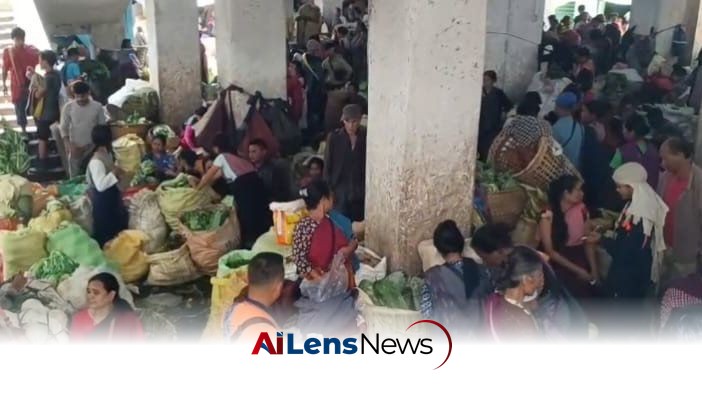


During an inspection of Ïewduh market, Acting Syiem Alban Fredrick Syiem highlighted severe congestion and sanitation problems, urging for government action.
Shillong, India Jul 26, 2026 ALN: On Saturday, the Acting Syiem of Hima Mylliem, Alban Fredrick Syiem, undertook an inspection of Ïewduh, which is recognized as the largest market in the state of . This visit was aimed at addressing the grievances of the vendors who operate within the bustling marketplace, as well as to assess the overall conditions of the market. The Ïewduh market is not only a commercial hub but also a cultural landmark, reflecting the vibrant community and diverse economic activities that take place within its confines.
Accompanying the Acting Syiem during this important visit were several notable figures, including Basan of Nongkseh, Nathan Thangkhiew, Myntris Iaineh Nongkhlaw, Baswel Shanpru, and others. This group of officials underscored the collaborative approach being taken to address the multifaceted issues facing the market. The presence of these officials indicates a unified effort to tackle the challenges that have plagued the market for years, demonstrating the commitment of the local government to improve conditions for both vendors and customers.
During the inspection, Syiem expressed his concerns regarding the severe congestion in the market, which has become a significant issue affecting both vendors and shoppers. The market, which serves as a primary source of income for many families, has seen an influx of vendors and customers, leading to overcrowding that hampers the shopping experience. He described the sanitation conditions as "deplorable," highlighting the urgent need for improvements. Syiem pointed out that the presence of drug addicts in the area has exacerbated the situation, with syringes frequently found discarded, raising serious health and safety concerns. This not only poses risks to the vendors and shoppers but also tarnishes the reputation of the market as a safe place to conduct business.
Additionally, complaints regarding a persistent "heavy stench" emanating from various parts of the market have been reported, indicating a broader issue related to waste management and sanitation. Poor waste disposal practices and the lack of adequate facilities have contributed to the unhygienic conditions, prompting vendors and customers alike to voice their frustrations. Addressing such issues is crucial, as they directly affect public health and can deter potential customers from visiting the market.
Addressing the issue of congestion, Thangkhiew mentioned that the state government had proposed the construction of a G+5 building for the market, which would provide additional space for vendors and help alleviate the overcrowding. However, he noted that only the ground floor of this building has been completed thus far. "We expect the state government to provide funds to complete the building. If we can build the five extra floors, we hope there will be less congestion," he stated. This proposed expansion reflects the growing demand for space in the market, which is a vital economic hub for the local community. The completion of this project is seen as a crucial step towards modernizing the market and accommodating the increasing number of vendors.
Thangkhiew also addressed the issue of sanitation, revealing that the Hima office has received multiple complaints about the unpleasant odors and poor conditions. Currently, Hima Mylliem employs 47 sanitation workers who are responsible for daily cleaning operations within the market. However, the lack of adequate storage facilities has led to the rotting of vegetables, which are often disposed of improperly, contributing to the overall sanitation crisis. This situation underscores the need for a more organized waste management system, which could include designated disposal areas and regular collection schedules to ensure that waste does not accumulate.
In terms of encroachment, Thangkhiew emphasized the importance of adhering to standing orders that mandate goods be displayed inside shops rather than on public pathways. This regulation is crucial for maintaining order and ensuring that pedestrian access is not obstructed. Nongkhlaw, another official present, stated that Hima officials tasked with law and order have been instructed to ensure that shopkeepers dismantle any structures that encroach upon public space. He also urged vendors to assist sanitation workers by properly bagging any rotten vegetables, which would facilitate better waste management practices. Moreover, he called upon leaseholders of public washrooms to uphold cleanliness standards, as these facilities are essential for both vendors and customers alike. Clean public washrooms can significantly enhance the overall shopping experience and promote better hygiene practices among the community.
In a related effort to improve environmental conditions, Shanpru announced that Hima Mylliem would enforce a strict ban on single-use plastics within the market. "If we find anyone violating the order, we will take action as per law," he stated, emphasizing the seriousness of this initiative. Officials will be deployed to monitor compliance and ensure that no shops utilize banned plastics, which have been identified as a significant contributor to environmental degradation. The ban aims not only to improve the cleanliness of the market but also to promote sustainable practices among vendors and shoppers, aligning with global initiatives to reduce plastic waste.
The dorbar, or traditional council, has made a collective appeal to all shopkeepers to cooperate in efforts to enhance cleanliness and overall conditions in Ïewduh. The success of these initiatives relies heavily on the willingness of vendors and the community to work together in addressing the pressing issues that affect the market. Community involvement is crucial, as it fosters a sense of ownership and responsibility among vendors, encouraging them to maintain cleanliness and follow regulations.
The challenges faced by Ïewduh market are not unique to this location; they reflect broader issues experienced in urban marketplaces across many regions. Congestion, sanitation, and environmental concerns are common themes in markets where space is limited and demand is high. The steps being taken by the Hima Mylliem leadership demonstrate a proactive approach to governance, emphasizing the importance of community engagement and the need for sustainable practices. By addressing these issues, the local government aims to create a more efficient and pleasant shopping environment that benefits all stakeholders.
Furthermore, the implications of these issues extend beyond immediate health and safety concerns. The state government’s investment in infrastructure, such as the proposed G+5 building, could lead to increased economic activity by providing better facilities for vendors and enhancing the shopping experience for customers. This, in turn, could stimulate local economic growth, create job opportunities, and improve the overall quality of life for residents in the surrounding areas. A thriving market can serve as a catalyst for economic development, attracting more visitors and encouraging entrepreneurship among local residents.
As the situation develops, it will be critical for the Hima Mylliem and local government to maintain open lines of communication with vendors and the community at large. Regular updates on progress regarding the construction of the new building, sanitation efforts, and enforcement of regulations will be essential to build trust and ensure compliance. The collective responsibility of all stakeholders, including government officials, vendors, and customers, will play a pivotal role in transforming Ïewduh into a cleaner, safer, and more efficient marketplace. Engaging the community through regular meetings and feedback sessions could further enhance collaboration and ensure that the needs of all parties are considered.
In conclusion, the inspection by Acting Syiem Alban Fredrick Syiem and his team highlights the urgent need for comprehensive solutions to the congestion and sanitation issues at Ïewduh market. With collaborative efforts and community involvement, there is potential for significant improvements that can enhance the market's functionality and sustainability for the future. The commitment of local officials and the active participation of vendors and customers will be crucial in shaping the future of Ïewduh, ensuring it remains a vibrant and essential part of the local economy.
To learn more about the latest developments in Crime & Law, stay updated with our exclusive reports and analyses on AiLensNews.

