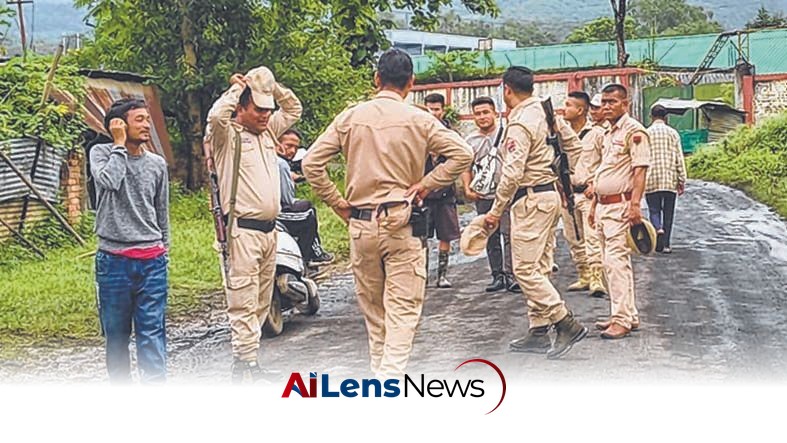


Residents of Leimakhong Chingmang and nearby areas have voiced their loss of faith in the army, urging the government to replace Central forces with State forces.
Imphal, India Jul 13, 2026 ALN: Residents of Leimakhong Chingmang, Kanto Sabal, and surrounding areas have publicly expressed their deep disillusionment with the army's presence in their region. In a recent gathering, villagers articulated their concerns, stating that they have lost all faith in the military's ability to protect and serve their community. This growing sentiment is not just an isolated incident but rather a reflection of broader issues that have been unfolding in the region over time.
The sentiment among the villagers reflects a growing frustration with the current security situation. Many residents feel that the army has failed to address their needs and concerns, leading to a sense of abandonment. This has prompted calls for a shift in security strategy, with villagers urging the government to deploy State forces instead of Central forces. The distinction between State and Central forces is significant; State forces are often perceived as more connected to local issues and dynamics, whereas Central forces are seen as more distant and less attuned to the specific needs of local populations.
During discussions, villagers highlighted specific incidents that have contributed to their distrust. They reported feeling unsafe and unprotected, citing a lack of responsiveness from military personnel in times of need. The community's grievances have been echoed in various forums, with many residents advocating for a more localized approach to security. This dissatisfaction is compounded by a series of events where military responses to emergencies were perceived as inadequate or delayed, further eroding trust.
Moreover, the presence of armed forces can sometimes lead to heightened tensions within communities, especially if residents feel that their rights or dignity are being compromised. Reports of military personnel being unapproachable or dismissive of local concerns have intensified feelings of alienation among the villagers. Such experiences have fostered a perception that the military is more of an occupying force rather than a protective one, which is particularly concerning in a region that has historically faced various challenges, including insurgencies and civil unrest.
In light of their concerns, the villagers have formally appealed to the government to reconsider its security strategy. They believe that State forces, being more attuned to local dynamics and issues, would be better suited to address their security needs. This appeal underscores the community's desire for a more effective and responsive security framework. The villagers argue that State forces could foster better communication and collaboration with local leaders and community members, thereby enhancing trust and cooperation.
This call for a shift is not merely a demand for change but a plea for recognition of the unique challenges faced by the community. The villagers are seeking not only protection but also a partnership with those who are tasked with ensuring their safety. They believe that a more integrated approach to security, which involves local stakeholders in decision-making processes, can lead to more sustainable outcomes.
The ongoing distrust in the army has significant implications for community relations. Many villagers feel that the military's presence has not fostered a sense of safety or security, which is essential for community cohesion. The call for State forces reflects a broader desire for accountability and a more community-oriented approach to law enforcement. When communities feel secure and respected, they are more likely to cooperate with law enforcement agencies, which can lead to a decrease in crime and an increase in community resilience.
Furthermore, the distrust in military forces can lead to a fracturing of social bonds within the community. As residents rally around their common grievances, they may inadvertently create divisions based on differing opinions about security and governance. This can result in a polarized environment where some community members may support military presence while others vehemently oppose it, complicating efforts to find a unified solution to security challenges.
The implications of the villagers' sentiments extend beyond immediate security concerns. They touch upon larger issues of governance, representation, and the role of the military in civil society. The demand for State forces is not just about security; it is also about the desire for a governance model that is more responsive to the needs of the people. As communities across the region grapple with similar issues, the situation in Leimakhong Chingmang and Kanto Sabal may serve as a bellwether for broader trends in civil-military relations.
To fully understand the current situation, it is essential to consider the historical context of military involvement in the region. The army has been deployed in various capacities over the years, often in response to insurgency threats and civil unrest. Historically, these deployments have been met with mixed reactions from local populations. In some instances, the military has been seen as a stabilizing force, while in others, it has been perceived as heavy-handed and disconnected from the local populace.
This historical backdrop plays a critical role in shaping current perceptions of the military. Residents of Leimakhong Chingmang and Kanto Sabal have witnessed cycles of military engagement and disengagement, leading to a complex relationship characterized by both reliance and resentment. The recent calls for State forces can be viewed as a culmination of these historical grievances, reflecting a desire for a more nuanced understanding of security that prioritizes local needs.
Addressing the villagers' concerns requires a multi-faceted approach that goes beyond simply shifting personnel. It necessitates a re-evaluation of the broader security framework in which both State and Central forces operate. The government may need to invest in community engagement initiatives that foster dialogue between military personnel and local residents. Such initiatives could help bridge the gap of understanding and rebuild trust.
Moreover, training programs for military personnel that emphasize cultural sensitivity and local engagement could enhance the effectiveness of security operations. By equipping soldiers with the tools to understand and respect local customs and concerns, the military can transform its role from an occupying force to a supportive partner.
Additionally, incorporating local leaders into the security planning process could ensure that the unique needs of the community are met. This collaborative approach would not only empower residents but also create a sense of ownership over security measures, leading to a more resilient community.
The sentiments expressed by the villagers of Leimakhong Chingmang and Kanto Sabal highlight a critical juncture in the relationship between the military and local communities. As they call for a change in security personnel, it remains to be seen how the government will respond to these concerns and whether a shift towards State forces will restore trust and safety in the region. The outcome of this appeal could have significant ramifications not only for the local community but also for the broader landscape of security and governance in the area.
In conclusion, the villagers' call for State forces is emblematic of a larger struggle for agency and representation within their own lives. As they seek to reclaim a sense of security and dignity, the government faces a pivotal opportunity to realign its security strategies in a way that acknowledges and addresses the specific needs of the communities it serves. The path forward will require careful navigation of complex social dynamics and a commitment to building trust between the military and the people.
To learn more about the latest developments in Local & Regional, stay updated with our exclusive reports and analyses on AiLensNews.

