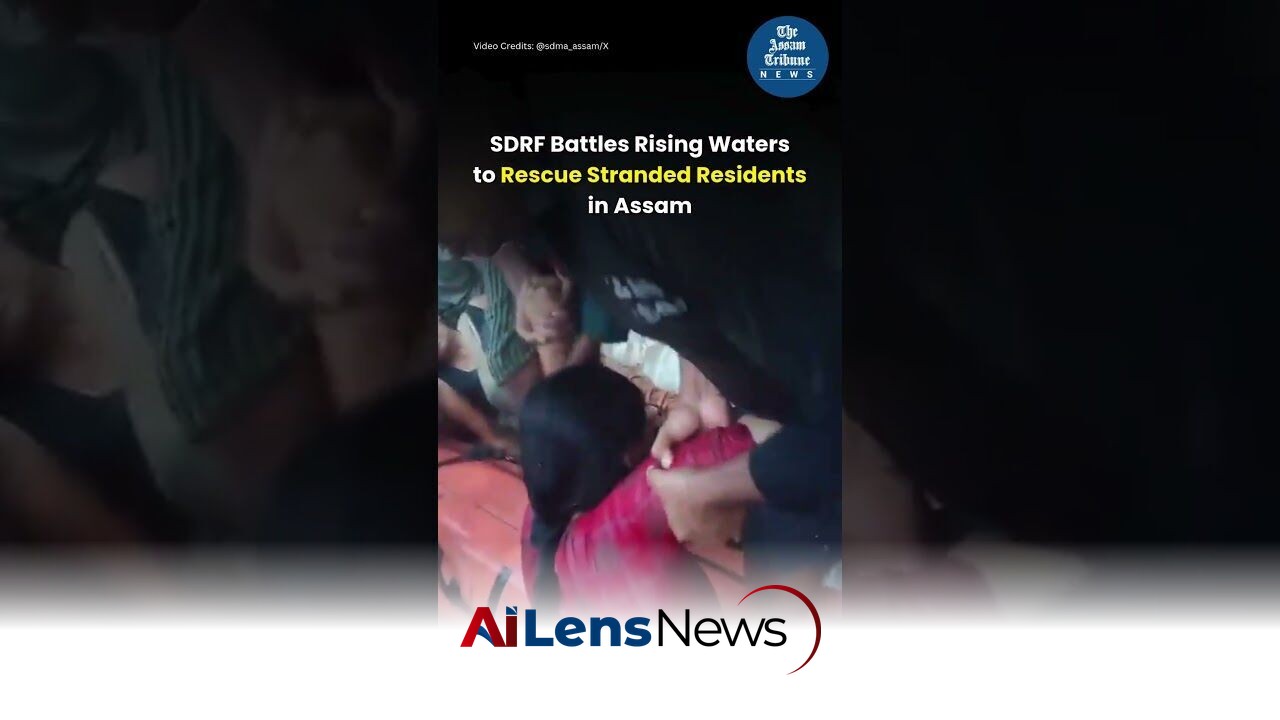


The State Disaster Response Force (SDRF) is actively engaged in rescue operations to save residents stranded due to severe flooding in Assam.
Imphal, India Jul 24, 2026 ALN: In a critical response to the ongoing flooding in Assam, the State Disaster Response Force (SDRF) has mobilized its teams to rescue residents trapped by rising waters. The situation has escalated, with many areas inundated, leading to urgent calls for assistance. Flooding in Assam is not a rare occurrence, as the state is situated in a flood-prone region characterized by its numerous rivers, including the mighty Brahmaputra, which often swell during the monsoon season. This year, however, the intensity and scale of the flooding have raised serious concerns about the preparedness and resilience of both local communities and government agencies.
As the waters continue to rise, SDRF personnel are utilizing boats and other rescue equipment to reach those in distress. Eyewitness accounts describe harrowing scenes of families stranded on rooftops and in trees, awaiting help as floodwaters surround their homes. These dramatic rescues highlight the urgency of the situation and the risks faced by both the stranded individuals and the rescuers. The emotional toll on families who are forced to leave their homes, often with little more than the clothes on their backs, is profound. The psychological impact of such disasters can linger long after the waters recede, affecting mental health and community cohesion.
The rescue operations are fraught with challenges, including rapidly changing water levels and adverse weather conditions. SDRF teams are working tirelessly, often in dangerous circumstances, to ensure the safety of those affected. The unpredictability of floodwaters can create hazardous conditions, including strong currents and submerged obstacles, complicating rescue efforts. Moreover, the terrain in many areas can be difficult to navigate, especially when visibility is low due to rain or debris. The SDRF, trained for such emergencies, is equipped to handle these challenges, but the scale of the disaster can strain resources and personnel.
In addition to the physical dangers, there are logistical hurdles to overcome. Communication can be disrupted in flood-affected areas, making it difficult for rescue teams to coordinate their efforts effectively. The timely sharing of information about the locations of stranded individuals is crucial for successful rescue operations. In many cases, local residents who have not been affected by the floods play a vital role in guiding rescue teams to those in need.
Local communities are also stepping up, providing support to rescue teams and assisting in the identification of stranded individuals. This grassroots involvement is essential, as local residents often have intimate knowledge of their surroundings and can offer critical insights into safe routes and potential hazards. Community volunteers have been seen distributing food and water to those who have been evacuated and are now in temporary shelters. Their efforts underscore the importance of community resilience in the face of natural disasters.
Coordination between various agencies has been crucial in streamlining the rescue efforts. The SDRF works in tandem with the National Disaster Response Force (NDRF), local police, and other governmental and non-governmental organizations to maximize the effectiveness of their operations. This collaboration ensures that resources are allocated efficiently, and that the response is both swift and comprehensive. Effective communication between these agencies is vital for avoiding duplication of efforts and ensuring that all areas in need are reached promptly.
The state government has announced additional resources to aid in the rescue and relief efforts, including the deployment of more personnel and equipment. Officials are urging residents in flood-prone areas to evacuate to safer locations as a precaution. This proactive approach is critical, as early evacuation can save lives and reduce the number of people in need of rescue. The government is also working to set up temporary shelters equipped with basic necessities such as food, water, and medical supplies for those displaced by the floods.
In addition to immediate rescue operations, long-term strategies are being discussed to mitigate the impact of future flooding. This includes improving drainage systems, enhancing flood forecasting capabilities, and investing in infrastructure that can withstand extreme weather events. The government acknowledges that climate change is exacerbating the frequency and severity of flooding, and comprehensive planning is essential to protect vulnerable populations.
As the SDRF continues its operations, the focus remains on ensuring the safety of all residents affected by the flooding. The situation is being monitored closely, with updates provided to the public as conditions evolve. Authorities are also assessing the damage caused by the floods to inform recovery efforts and resource allocation in the coming weeks. The rebuilding process will require significant investment and community involvement to restore normalcy.
In the face of this natural disaster, the resilience of both the SDRF and the local communities is being tested, but their commitment to saving lives remains unwavering. The collective effort of all stakeholders, from government agencies to local volunteers, is a testament to the strength of community bonds in times of crisis. As Assam grapples with the aftermath of this flooding, the lessons learned from these experiences will be crucial in shaping future disaster preparedness and response strategies.
In conclusion, while the immediate focus is on rescue and relief, the long-term implications of such flooding events cannot be ignored. They highlight the need for sustainable development practices, better urban planning, and environmental conservation efforts to mitigate the impact of climate change. The resilience displayed by the people of Assam in the face of adversity serves as an inspiration, but it also calls for greater action from all levels of government and society to ensure that communities are better prepared for future disasters.
To learn more about the latest developments in Crime & Law, stay updated with our exclusive reports and analyses on AiLensNews.

