

A crucial Bailey bridge in Kamjong district, vital for several border villages, was destroyed in a suspected explosive attack, disrupting access to essential services.
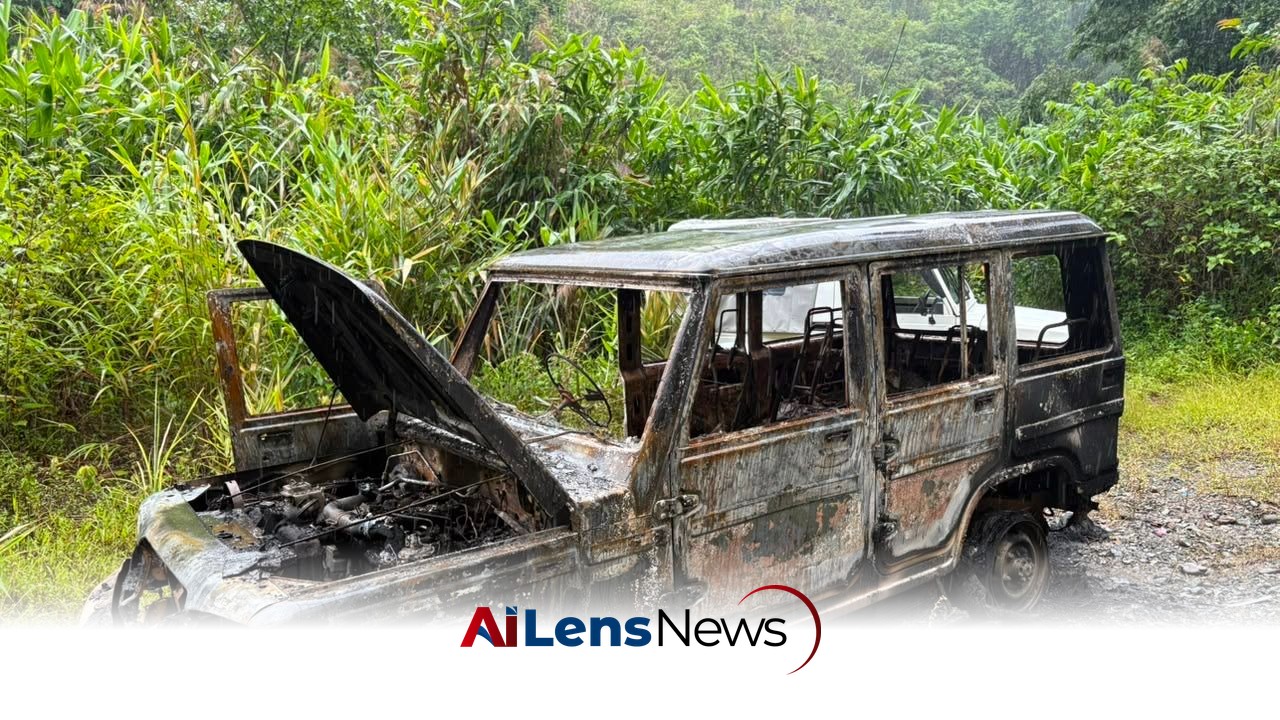
Imphal, India Jul 22, 2026 ALN: Kamjong: A Bailey bridge serving as the only road lifeline for several border villages in Kamjong district was reportedly destroyed in a suspected explosive attack on Tuesday night. In a separate incident, a telecom vehicle en route to Chatric village was allegedly set ablaze by armed miscreants.
According to local sources, residents in the surrounding area heard a loud noise, believed to have been caused by an explosion, at around 10 pm. The sound was so intense that it reverberated through the valleys, prompting immediate concern among the villagers about the safety of the bridge and the potential implications for their access to essential services.
When villagers attempted to cross the bridge over the Namban River at daybreak, they found the Bailey bridge completely destroyed and rendered unusable. This bridge was not just a physical structure; it represented a vital connection for the communities in the Sahamphung block, which comprises more than 10 villages. The destruction of the bridge has cut off these villages from critical resources, including food supplies, medical assistance, and market access, raising alarms about the potential humanitarian crisis that could ensue.
Residents alleged that the attack was carried out by armed Kuki militants, although no group has claimed responsibility so far. The Kuki community has been embroiled in conflict in the region, with tensions escalating over territorial disputes and ethnic rivalries. The ongoing strife has led to a series of violent incidents, and this latest attack appears to be part of a broader pattern of unrest that has destabilized the area.
According to local sources, materials suspected to be explosive residue were found scattered on a blue plastic tarpaulin at the site. This evidence suggests that the attack was premeditated and executed with a level of sophistication that raises concerns about the capabilities of the armed groups operating in the region. The use of explosives indicates a significant escalation in the tactics employed by these groups, which could lead to further violence and instability.
Stephen LM, 70, headman of Chahong Khunou, provided insight into the geographical challenges that complicate the situation. He noted that there are no settlements between Kamjong town and the bridge except for Phaimol, a Kuki village that was recently destroyed during the ongoing conflict. Based on his knowledge of the terrain, he believes armed groups could have moved through the hills and riverine forest from the Phaimol area to reach the bridge undetected. This highlights the difficulties faced by law enforcement and security forces in monitoring and securing such remote areas, where the dense foliage and rugged landscape provide cover for militant activities.
A team from Kamjong police has rushed to the site and launched an investigation into the incident. Authorities are likely to face significant challenges in gathering evidence and identifying the perpetrators, given the volatile environment and the potential for further retaliatory attacks. The police's response will be crucial in determining the next steps in addressing the growing violence in the region.
This incident underscores the broader context of insecurity in the region, where ethnic tensions have been exacerbated by historical grievances and competition for resources. The Kuki and Naga communities have a long history of conflict, and recent developments have reignited these tensions, leading to a cycle of violence that threatens to engulf the entire area.
The destruction of the bridge is particularly concerning as it not only affects the immediate communities but also has wider implications for the region's stability. The Sahamphung block, with its reliance on this bridge for connectivity, could see a deterioration in living conditions as access to markets and services is severely restricted. This could lead to increased poverty, food insecurity, and a lack of medical care, further compounding the challenges faced by the residents.
Furthermore, the attack raises questions about the effectiveness of local governance and security measures in place to protect vulnerable communities. As incidents of violence increase, there may be calls for greater intervention from state authorities or even the central government to restore order and prevent further escalation. However, any such intervention must be approached with caution to avoid exacerbating existing tensions.
In the wake of this incident, community leaders and local organizations may need to come together to address the underlying issues contributing to the violence. Dialogue and reconciliation efforts could play a crucial role in mitigating tensions and fostering a sense of unity among the diverse ethnic groups in the region. Without addressing these root causes, the cycle of violence is likely to continue, with devastating consequences for the people of Kamjong and surrounding areas.
As the investigation unfolds and authorities assess the situation, the focus will likely shift to ensuring the safety and security of the local population. The destruction of the bridge serves as a stark reminder of the fragility of peace in conflict-affected areas and the urgent need for comprehensive strategies to promote stability and development in the region.
This incident is not an isolated event, but rather a reflection of a larger pattern of violence that has plagued the region for years. The Kuki and Naga communities have been engaged in a struggle for identity, autonomy, and recognition, often leading to violent confrontations. The historical context of these tensions is rooted in colonial legacies, where arbitrary borders and the imposition of external governance structures have exacerbated ethnic divisions.
The ongoing conflict has also been fueled by economic factors, including competition for land and resources, which are particularly scarce in this mountainous region. The destruction of the bridge not only impedes transportation but also disrupts local economies that rely on the movement of goods and services. As access to markets diminishes, the economic stability of these border villages is further jeopardized, potentially leading to increased desperation among the population.
Moreover, the security situation in Kamjong district is complicated by the presence of various armed groups, each with their own agendas and motivations. The rise of militancy in the region has created an environment of fear and uncertainty, where civilians often find themselves caught in the crossfire. The government's ability to maintain law and order is severely tested, and the lack of effective policing mechanisms in remote areas makes it difficult to deter such attacks.
In the aftermath of the bridge's destruction, humanitarian organizations may need to step in to provide assistance to affected communities. The disruption of essential services could lead to increased health risks, as access to medical facilities becomes limited. Vulnerable populations, including children and the elderly, may face heightened risks of malnutrition and disease outbreaks as food supplies dwindle and healthcare becomes inaccessible.
As the local population grapples with the immediate aftermath of the attack, there is also a pressing need for long-term solutions to the underlying issues. The establishment of peace-building initiatives that promote dialogue between the Kuki and Naga communities could help to foster mutual understanding and reduce hostilities. Educational programs aimed at promoting tolerance and coexistence may also be essential in preventing future violence.
In conclusion, the destruction of the Bailey bridge in Kamjong district is emblematic of the broader challenges facing the region. The attack highlights the urgent need for a multifaceted approach to address the underlying causes of conflict, ensure the safety of communities, and promote sustainable development. As stakeholders work towards a resolution, it is imperative that the voices of the affected communities are heard and that their needs are prioritized in any intervention strategies. The path to peace will require a concerted effort from all parties involved, as well as a commitment to building a more inclusive and harmonious society in this historically divided region.
To learn more about the latest developments in Crime & Law, stay updated with our exclusive reports and analyses on AiLensNews.

