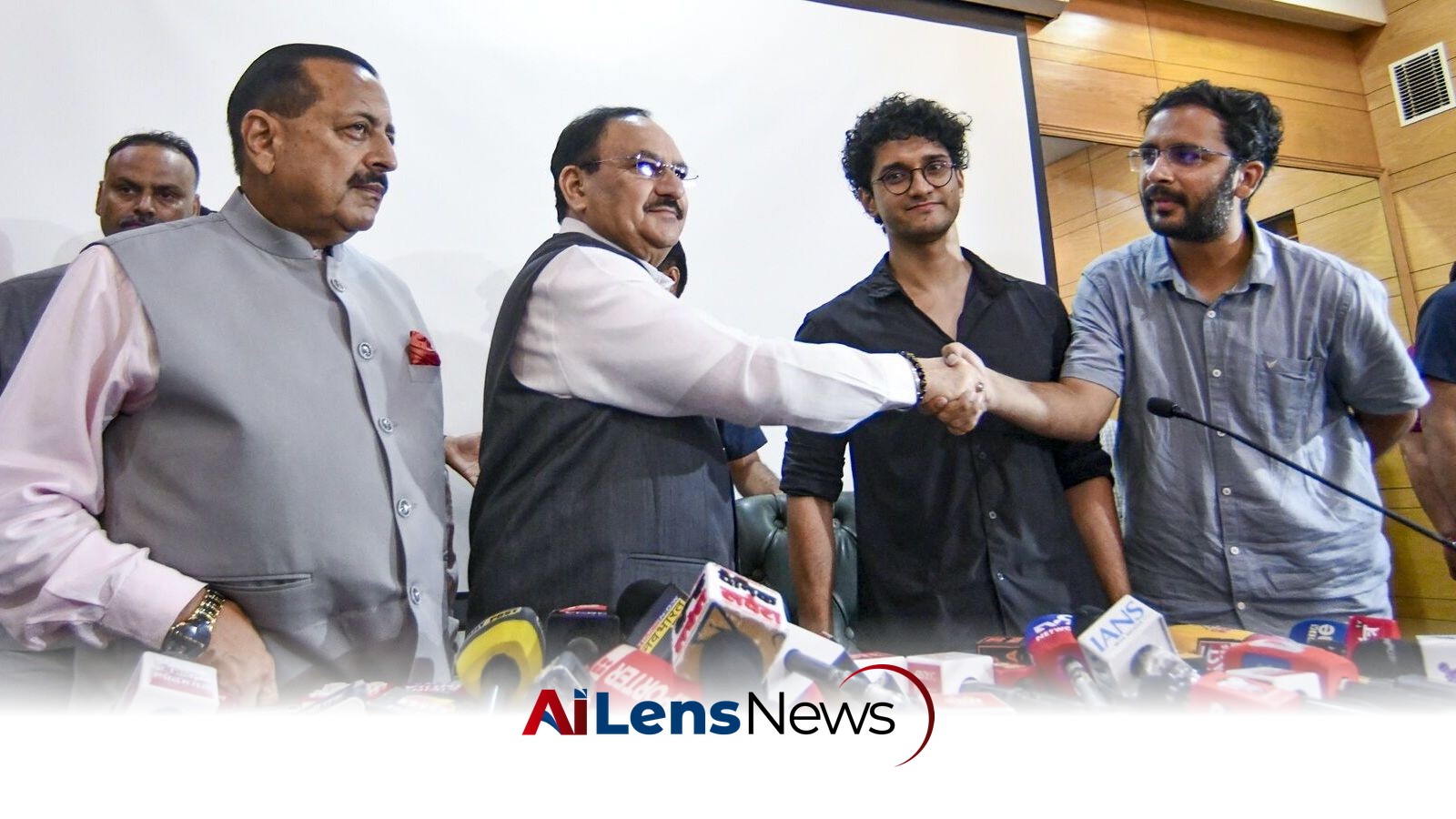


The Cockroach Janta Party has called off its month-long protest over the NEET-UG controversy after the Centre agreed to all major demands, including compensation for bereaved families.
Imphal, India Jul 25, 2026 ALN: The Cockroach Janta Party (CJP) has officially ended its month-long protest regarding the NEET-UG controversy after the Indian government accepted all of its key demands. This decision comes after a series of negotiations between the CJP and the central government, culminating in the resignation of Union Education Minister Dharmendra Pradhan and the withdrawal of FIRs filed against protesters.
Following the fourth round of discussions with the Union government, CJP spokesperson Saurav Das announced the conclusion of the protests, urging demonstrators to return home peacefully. "As the government accepted all our demands, we call off our protests with immediate effect. We appeal everyone to go back home peacefully," Das stated during a joint press conference alongside Union Health Minister J P Nadda and Union Minister Jitendra Singh.
Health Minister Nadda highlighted that the government would provide "honourable compensation" to the families of students who tragically died by suicide after the cancellation of the NEET-UG examination originally scheduled for May 3. He also confirmed that all FIRs against protesters would be withdrawn, a significant step in addressing the grievances raised by the CJP.
"The government will take steps for withdrawal of FIRs against protesters," Nadda assured the media, signifying a major concession by the government aimed at restoring peace and addressing the concerns of the demonstrators.
The breakthrough in negotiations occurred shortly after Dharmendra Pradhan submitted his resignation to Prime Minister Narendra Modi, effectively meeting the CJP's primary demand and facilitating the resolution of other outstanding issues. The fourth round of negotiations took place at the Constitution Club of India, with Union Ministers J P Nadda and Jitendra Singh representing the government, while the CJP delegation included spokespersons Saurav Das and Ashutosh Ranka.
During the discussions, the focus was primarily on two critical demands: compensation for the families of students who died by suicide following the NEET-UG cancellation and the withdrawal of criminal cases against the protesters. The CJP had previously requested a compensation amount of Rs 1 crore for each bereaved family, highlighting the emotional and psychological toll that the examination's cancellation had on students and their families.
The negotiations followed several rounds of engagement between the CJP and the government. On July 20, Nadda held two back-to-back meetings with CJP representatives Das and Ranka on the same day that thousands of demonstrators responded to the CJP's 'Sansad Chalo' call, marching towards Parliament. This protest was met with a heavy police presence, where law enforcement used batons and tear gas to disperse the crowds, resulting in injuries to numerous participants.
Prior to the resolution, the CJP had insisted that its sit-in protest at Jantar Mantar would persist until Pradhan resigned, showcasing the determination of the organization to hold the government accountable for the NEET-UG examination controversy. The CJP had been protesting continuously since June 20, raising concerns over the NEET-UG 2026 paper leak, alleging irregularities in the Central Board of Secondary Education's (CBSE) on-screen marking process, and demanding broader reforms in the conduct of public examinations.
The agitation garnered significant attention, drawing thousands of students to demonstrations across the country. It also received support from various opposition parties, emphasizing the widespread concern over the issues surrounding the NEET-UG examination and the educational system in India. The culmination of the protest on Saturday, following the government's assurances, marks a pivotal moment in the ongoing dialogue between student organizations and the government regarding educational policies and accountability.
This incident sheds light on the larger context of student protests in India, where issues related to examination integrity, fairness in educational assessments, and the mental health of students have become increasingly prominent. The NEET-UG controversy has sparked discussions about the need for comprehensive reforms in the examination system, ensuring transparency, and safeguarding the well-being of students.
The resolution of the CJP's protests may pave the way for further discussions on educational reforms, as the government faces mounting pressure to address systemic issues that affect students across the country. The acceptance of the CJP's demands, particularly the resignation of a high-ranking official and the commitment to compensating affected families, reflects the government's acknowledgment of the gravity of the situation and the necessity for accountability in the education sector.
As the dust settles on this recent agitation, it remains to be seen how the government will implement the promised changes and whether these actions will lead to lasting improvements in the educational landscape of India. The CJP's protest and its resolution serve as a reminder of the power of collective action and the importance of dialogue in addressing the concerns of students and their families.
The NEET-UG, or National Eligibility cum Entrance Test for Undergraduate courses, is a highly competitive examination in India that serves as a gateway for students aspiring to pursue medical education. The exam has faced scrutiny in the past, with allegations of irregularities and a lack of transparency in its conduct. The cancellation of the May 3 examination added to the existing frustrations among students, many of whom had invested significant time and resources in preparation.
The emotional toll of academic pressures in India is profound, with mental health issues among students becoming a growing concern. The tragic suicides of students in the wake of the NEET-UG cancellation highlighted the urgent need for a supportive educational environment that prioritizes student well-being. This incident has sparked conversations about the responsibilities of educational institutions and the government in safeguarding the mental health of students.
Furthermore, the CJP's demands for reforms in the examination process resonate with broader calls for systemic changes in India's education sector. Many stakeholders, including educators, parents, and policymakers, are advocating for a reevaluation of existing practices to ensure fairness and transparency in assessments. The protests have underscored the need for a collaborative approach to education reform, one that involves input from students and other affected parties.
The implications of the CJP's protest extend beyond the immediate resolution of their demands. The outcome may influence future student activism in India, as other organizations may feel empowered to voice their concerns and demand accountability from the government. The successful negotiation process highlights the importance of dialogue and negotiation in addressing grievances, setting a precedent for how similar issues may be handled in the future.
In conclusion, the resolution of the CJP's protests marks a significant moment in the ongoing discourse surrounding educational policies in India. The government's acceptance of key demands signals a willingness to engage with student organizations and address their concerns. As the educational landscape continues to evolve, it will be crucial for all stakeholders to work collaboratively towards creating a more equitable and supportive environment for students.
To learn more about the latest developments in Crime & Law, stay updated with our exclusive reports and analyses on AiLensNews.

