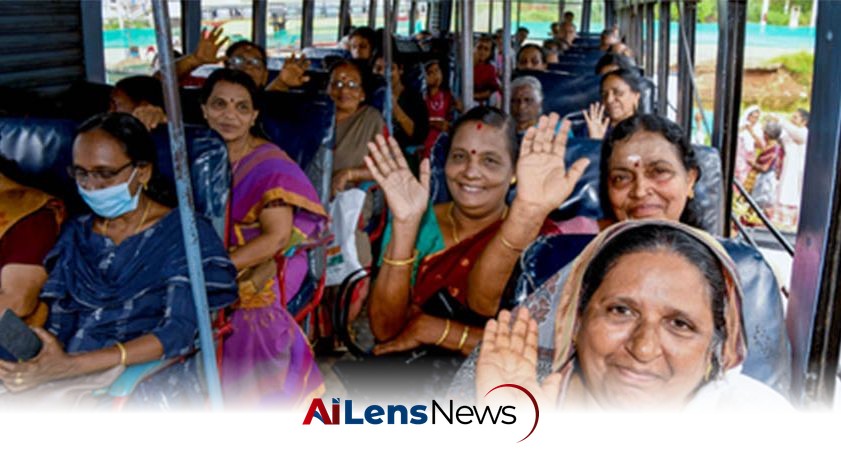


Private bus operators in Mangaluru report a significant drop in ridership as women choose free bus travel offered by the Kerala government under the Priyadarshini scheme.
New Delhi, India Jul 18, 2026 ALN: Mangaluru: A month after the Kerala government launched the Priyadarshini scheme offering free bus travel for all women, including those from Karnataka, private bus operators in Dakshina Kannada say they are witnessing a significant decline in passengers and revenue on cross-border routes. This situation has raised concerns not only for the operators but also for the broader implications on public transport and commuter options in the region.
The Priyadarshini scheme, which aims to empower women by providing them with free access to public transportation, has been met with enthusiasm in Kerala. The initiative is designed to encourage more women to utilize public transport, thereby enhancing their mobility and independence. However, its impact has extended beyond state borders, affecting private operators in neighboring Karnataka. Operators serving the Talapady and Kinya corridors have reported a marked shift in commuter behavior, with women increasingly opting for the Kerala state-run buses. This shift is attributed to the appeal of free travel, which has evidently drawn away a significant portion of the ridership that previously relied on private bus services.
Private bus operators are now grappling with the financial fallout from this policy change. Likhith Kumar, a private bus operator, highlighted that daily collections have dropped by Rs 1,500 to Rs 2,000 since the scheme came into effect. This decline has been drastic, as he noted that at bus stops where they previously picked up around 10 passengers, they now see only three or four. Such a stark decrease in ridership not only affects daily earnings but also threatens the sustainability of their operations. The situation is particularly challenging for operators who have made significant investments in their fleets and depend on consistent passenger volume to remain viable.
The financial strain is compounded by the operational costs that private bus operators must bear. Kumar pointed out that operators on the Talapady route face monthly toll expenses, which further exacerbates their financial challenges. With falling revenues, maintaining service quality and frequency has become increasingly difficult, leading to a potential decline in the overall reliability of transport services in the region. This decline in service quality could deter even more passengers from choosing private operators, creating a vicious cycle of decreasing ridership and revenue.
Rajesh T, Joint Secretary of the Dakshina Kannada Bus Operators’ Association (DKBOA), noted that the impact of the Priyadarshini scheme has been particularly severe in areas like Talapady, Beeri, and KC Road. He explained that students who previously traveled in Kerala private buses would switch to Karnataka buses at Talapady, but with the introduction of the free bus passes, they now continue their journey on Kerala buses. This shift has resulted in a significant loss of a key segment of passengers who contributed to the operators' revenue. The loss is particularly concerning given that students represent a substantial portion of daily commuters, and their absence can lead to a drastic drop in overall ridership numbers.
Azeez Parthipady, the President of DKBOA, echoed these sentiments, stating that operators on both the Talapady and Kinya routes are incurring losses of nearly Rs 30,000 per month. Despite the reopening of schools and colleges, which typically would lead to an increase in commuter numbers, the passenger traffic has not rebounded as expected. This stagnation indicates a deeper issue within the public transport landscape, as the allure of free travel continues to dominate commuter choices. The long-term implications of this could be detrimental, as a sustained decline in ridership could lead to route cancellations and reduced service frequency, ultimately harming the commuting public.
The challenges are not isolated to just a few routes; they extend to other areas as well. Parthipady mentioned that private buses operating towards Konaje, Manjanady, and Kinya are also feeling the pinch, as women commuters can travel free on KSRTC buses within Karnataka under the state’s Shakti scheme. This dual layer of free travel initiatives has created a competitive disadvantage for private operators, who must find ways to attract and retain passengers while contending with the financial realities of operating a bus service. The introduction of multiple welfare schemes aimed at enhancing public transport access for women, while commendable, has inadvertently placed private operators in a precarious position.
In light of these challenges, the DKBOA is seeking to address the situation through dialogue with the Karnataka government. Parthipady clarified that the association is not opposed to welfare initiatives aimed at improving access to transportation for women. However, he emphasized that if the government provides reimbursement to KSRTC for welfare schemes, private operators should receive similar support to maintain a level playing field in the transport sector. The lack of such support could lead to an uneven competitive environment, where private operators struggle to survive while state-run services thrive. The need for equitable treatment in the public transport sector is essential to ensure that all operators can coexist and provide necessary services to the community.
Parthipady expressed concern that continued financial losses could force private operators to shut down services altogether, potentially leaving KSRTC as the sole operator on many routes. This scenario could have dire implications for commuters, as it would reduce competition and limit transport options. Healthy competition is essential in ensuring that passengers receive better services, and the disappearance of private buses could lead to a decline in service quality and availability. Commuters may find themselves with fewer choices, longer wait times, and potentially higher fares if they are left with a monopoly provider.
The association's plan to formally urge the Karnataka government to extend reimbursement or other support measures to private operators is a critical step towards addressing the ongoing crisis. Parthipady argued that such assistance is essential for the long-term viability of private operators while also maintaining balanced public transport services across the region. The outcome of these discussions could shape the future of public transport in Dakshina Kannada, determining whether private operators can continue to coexist alongside state-run services or if they will be forced out of the market. The implications of such a shift could reverberate throughout the region, affecting not only transportation but also local economies that rely on the mobility of residents and visitors alike.
As the situation evolves, it remains to be seen how the Karnataka government will respond to the concerns raised by private bus operators. The implications of this issue extend beyond mere financial losses; they touch upon broader themes of accessibility, competition, and the overall health of the public transportation system in the region. Stakeholders on all sides will need to engage in constructive dialogue to find solutions that support both the welfare of commuters and the sustainability of private transport services. The ongoing discussions will highlight the need for a balanced approach to public transport policy that recognizes the contributions of both public and private operators in meeting the transportation needs of the community.
To learn more about the latest developments in Local & Regional, stay updated with our exclusive reports and analyses on AiLensNews.

