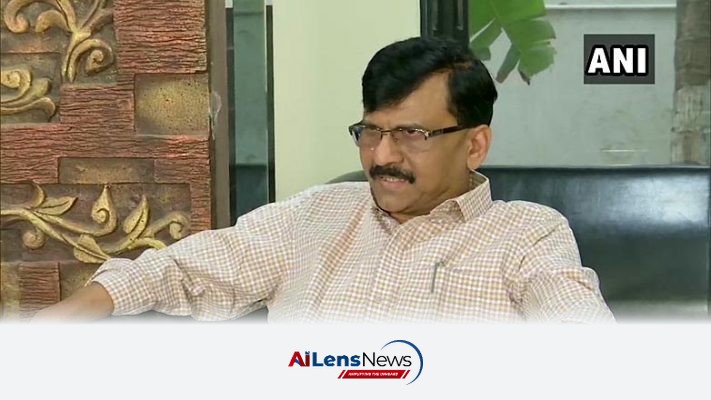



Shiv Sena (UBT) leader Sanjay Raut claims the Maharashtra government's support for bike taxis threatens the livelihoods of autorickshaw drivers, particularly in Nashik.
Mumbai, India Aug 25, 2026 ALN: Mumbai: Shiv Sena (UBT) leader Sanjay Raut has accused the Maharashtra government of endangering the livelihoods of autorickshaw drivers in Nashik by permitting bike taxis to operate. He expressed concern that the expansion of services like Rapido could adversely affect local Marathi youth who depend on driving autorickshaws for their income.
The autorickshaw industry has long been a crucial component of urban transportation in India, particularly in metropolitan areas like Mumbai, Pune, and Nashik. Autorickshaws serve as an affordable and accessible mode of transport for millions of residents, often filling the gaps left by traditional public transport systems. This mode of transport is not just a means of commuting; for many, it is a livelihood that supports entire families. With the rise of app-based taxi services, the dynamics of the transportation sector have been shifting, leading to increased competition and concerns over job security for traditional drivers.
In a letter addressed to Transport Minister Pratap Sarnaik, Raut recounted a recent visit to Nashik where he met over a hundred Marathi youths. They conveyed to him that their livelihoods and family support hinge on their work as autorickshaw drivers. Raut emphasized that the government's decision threatens the financial stability of thousands of such drivers across the state. The introduction of bike taxis, which typically operate at lower fares and with less regulatory oversight, poses a direct challenge to the established autorickshaw sector.
“Currently, the livelihoods of not just thousands, but lakhs of young people throughout Maharashtra rely on driving auto-rickshaws,” stated the Rajya Sabha MP. He criticized the government for failing to create adequate employment opportunities, leading many educated youths to resort to driving autorickshaws. This observation highlights a broader issue within Maharashtra and India at large, where job creation has not kept pace with the growing population and rising educational attainment among young people. As traditional sectors struggle to absorb new entrants into the workforce, many find themselves turning to informal sectors, such as driving autorickshaws, to make ends meet.
Raut pointed out that the introduction of bike taxi services through platforms like Ola, Uber, and Rapido would significantly impact autorickshaw drivers, especially those operating in tourist areas. The competitive pricing and convenience offered by these bike taxi services can lure customers away from autorickshaws, which are often seen as a more traditional and stable option. He claimed that this decision by the transport department effectively pushes unemployed Marathi auto-rickshaw drivers towards despair, exacerbating existing economic vulnerabilities in these communities.
“There is widespread anger among auto-rickshaw drivers against the introduction of Rapido bike taxis,” Raut asserted. He noted that while auto-rickshaw drivers' organizations wish to meet with the transport minister to discuss their grievances, they have been denied the opportunity. This lack of communication between the government and affected stakeholders raises concerns about the decision-making process and the potential for policy that does not adequately consider the implications for local economies and livelihoods.
To highlight the challenges faced by autorickshaw drivers, a protest march from Nashik to Mantralaya (the state secretariat in Mumbai, approximately 200 km away) was planned for August 10. However, Raut claimed that permission for this protest was denied. The denial of protest permissions has been a contentious issue in India, where citizens often express their dissent through organized demonstrations. The ability to protest is seen as a fundamental democratic right, and restrictions on such activities can lead to increased tensions between the government and the populace.
Raut alleged that certain ministers in the state have financial ties to Rapido, suggesting that the company has sponsored various cultural events and celebrations for these ministers. This claim raises questions about potential conflicts of interest and the influence of corporate sponsorship on public policy. The intertwining of business interests with political decisions can undermine public trust in government institutions and their ability to act in the best interest of all constituents.
Last year, after Sarnaik took action against bike taxis operating illegally, it was revealed that a cab aggregator was a primary sponsor for a Pro Govinda event organized by Sarnaik's family in Thane. Raut criticized this connection, implying that Rapido's operations are being allowed at the expense of thousands of autorickshaw drivers. This incident exemplifies the complex relationships between politicians, businesses, and the communities they serve, highlighting the need for transparency and accountability in governance.
“It appears that, in return for financial support, Rapido has been granted permission to operate, jeopardizing the livelihoods of many,” Raut concluded. The implications of such allegations are significant, as they not only affect the livelihoods of autorickshaw drivers but also raise broader concerns about regulatory practices, fairness in competition, and the potential for exploitation within the transportation sector.
As the debate continues, the Maharashtra government will need to address these concerns comprehensively. This includes engaging with autorickshaw drivers and their representatives to discuss their grievances, exploring ways to improve the regulatory framework for all transportation services, and ensuring that the livelihoods of traditional drivers are not unduly compromised by the rise of new transportation models. The outcome of this situation could set important precedents for how similar conflicts are managed in the future, impacting not only the transportation sector but also the broader economic landscape in Maharashtra and beyond.
To learn more about the latest developments in Transport & Mobility, stay updated with our exclusive reports and analyses on AILensNews.

