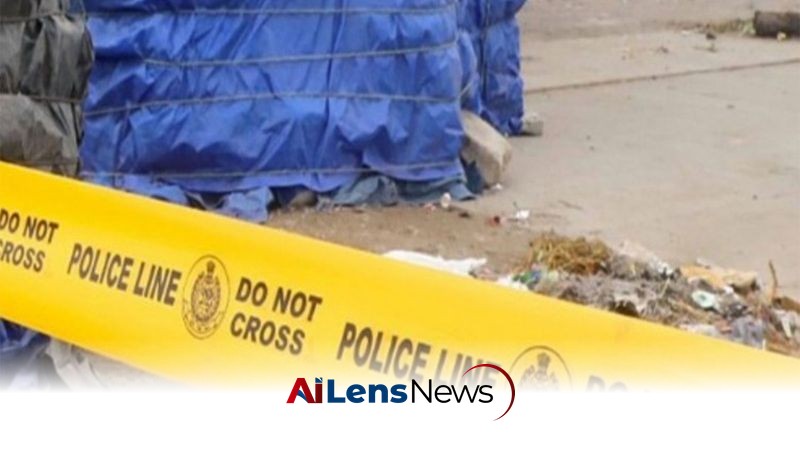


A truck struck a group of warkaris during a procession in Pune, resulting in the deaths of three women and injuries to seven others. An investigation is underway.
Leh, India Jul 13, 2026 ALN: In a tragic incident in Pune, Maharashtra, three women lost their lives when a truck rammed into a group of warkaris participating in a religious procession. The accident occurred on the Saswad–Jejuri road, where the warkari procession was taking place. This procession is part of the annual pilgrimage that draws thousands of devotees who walk in devotion to the deity, often accompanied by music, chanting, and a sense of community. The event is not only a religious observance but also a cultural gathering that highlights the rich traditions of the warkari sect, which is known for its bhakti (devotion) movement.
The warkari tradition, which has its roots in the 13th-century saint Dnyaneshwar, emphasizes devotion to Lord Vithoba, a form of Lord Krishna. The warkari sect is characterized by its unique practices, including singing devotional songs (bhajans), performing rituals, and participating in processions that often cover long distances, sometimes over several days. These processions serve as a means for devotees to express their faith and connect with others in their community. They also provide an opportunity for cultural expression and the reinforcement of communal bonds.
The truck involved in the accident, which was accompanying the procession, suddenly veered off course and struck the devotees, leading to immediate chaos and panic among the participants. Eyewitnesses reported that the procession was in full swing when the truck collided with the group, resulting in severe injuries and fatalities. Such incidents, while rare, underscore the potential dangers present at large public gatherings where vehicles and pedestrians coexist in close proximity. The presence of vehicles during such religious events raises questions about the safety measures in place to protect participants.
According to local authorities, the accident resulted in the deaths of three women, whose identities have not yet been disclosed. The victims were reportedly part of a larger group of warkaris who had traveled from various parts of the state to participate in this significant religious event. Additionally, seven other devotees sustained injuries and were rushed to nearby hospitals for treatment. The condition of some of the injured is reported to be serious, prompting concerns about their recovery. Such incidents can lead to not only physical injuries but also emotional trauma for the survivors and the community at large.
The immediate aftermath of the accident saw a flurry of activity as emergency services rushed to the scene. Local residents and fellow devotees attempted to assist the injured while authorities cordoned off the area for investigation. The emotional impact on those present was palpable, with many expressing shock and grief over the unexpected turn of events. The warkari community, known for its strong sense of solidarity, is now faced with the challenge of supporting those affected by this tragedy.
In response to the incident, the police have launched an investigation to determine the circumstances surrounding the accident. They are examining the truck driver’s actions and whether any negligence contributed to the tragic event. Authorities have also begun gathering statements from witnesses to piece together a clearer picture of what transpired. Investigators are likely to look into factors such as the driver's speed, potential mechanical failures of the vehicle, and whether proper safety measures were in place during the procession. The outcome of this investigation could have implications for future regulations regarding vehicle access during religious events.
As part of the investigation, police are expected to review video footage from nearby surveillance cameras to gain insights into the moments leading up to the accident. This could provide critical evidence regarding the driver's behavior and the circumstances surrounding the collision. The investigation may also involve consultation with traffic safety experts to understand how similar incidents can be prevented in the future.
The warkari community, known for its devotional processions, is in mourning following this devastating event. Community leaders have expressed their condolences to the families of the victims and have called for increased safety measures during such religious gatherings to prevent future tragedies. The warkari tradition emphasizes the importance of community and collective mourning, which may lead to organized memorials or vigils in honor of the deceased. This incident has also sparked discussions within the community about the need for better coordination with local authorities to ensure the safety of participants during large processions.
In light of the tragedy, community leaders are advocating for a review of safety protocols that govern religious processions. This includes discussions on how to manage vehicle access during such events, as well as the potential establishment of designated zones for vehicles to minimize risks to pedestrians. The community's response is likely to include calls for training volunteers who assist in managing crowds and ensuring that safety measures are adhered to during processions.
The incident has raised questions about the safety protocols in place during large public gatherings, particularly those involving religious processions. Local officials are expected to review these protocols in light of the accident. This may include reassessing the routes taken during processions, implementing stricter regulations on vehicle access, and enhancing the presence of law enforcement to manage traffic and crowd control. Such measures are crucial in preventing similar incidents in the future and ensuring that religious observances can be conducted safely.
This tragic event serves as a reminder of the importance of road safety and the need for vigilance during large public events. In India, where religious processions are a common occurrence, ensuring the safety of participants is paramount. The government and local authorities may need to engage in a broader dialogue with community leaders to establish best practices for safety during such events. This could involve training for volunteers who assist in managing crowds, as well as the establishment of designated zones for vehicles to minimize risks.
As investigations continue, the community hopes for justice for the victims and a commitment to ensuring the safety of all participants in future processions. The emotional toll on the families affected by this tragedy cannot be overstated, and the community's response will likely include support systems for those grieving. Furthermore, this incident may prompt a reevaluation of how public safety is prioritized during religious and cultural events across the state and the country.
In conclusion, the loss of life in this tragic accident highlights the urgent need for improved safety measures during large public gatherings. As the warkari community comes together to mourn and reflect on this incident, it serves as a poignant reminder of the fragility of life and the importance of collective responsibility in safeguarding the well-being of all participants in future religious observances. The hope is that lessons learned from this tragedy will lead to actionable changes that enhance safety protocols and prevent such incidents from occurring in the future.
To learn more about the latest developments in Crime & Law, stay updated with our exclusive reports and analyses on AiLensNews.

