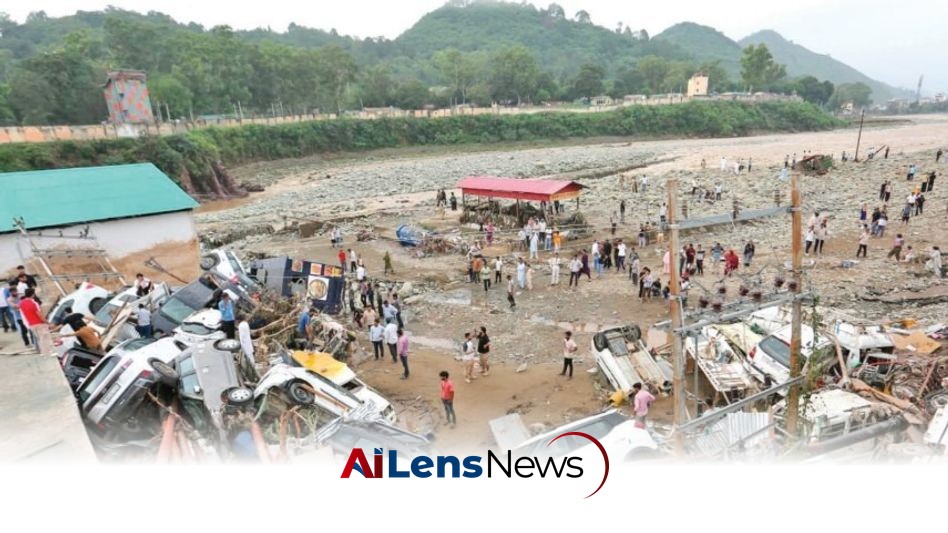


Heavy rains in Jammu have led to the suspension of major pilgrimages and significant loss of life, prompting authorities to maintain high alert.
Leh, India Jul 21, 2026 ALN: Heavy rains lashed large parts of Jammu region on Tuesday, severely disrupting normal life and prompting authorities to maintain a high alert, officials said.
At least 23 people have died and seven others are missing in rain-related incidents in Poonch, Rajouri, and Doda districts since Sunday, while all major pilgrimages, including the Amarnath Yatra, Vaishno Devi Yatra, Shiv Khori Yatra, and Machail Mata Yatra, remained suspended for the third consecutive day due to persistent downpours, landslides, and the heightened risk of flash floods.
The Jammu region, which is known for its scenic beauty and religious significance, has been grappling with severe weather conditions that have not only caused loss of life but have also led to extensive property damage and disruption of services. The monsoon season, which typically runs from June to September in India, can bring both relief and challenges, especially in hilly terrains like Jammu. This year, the intensity of rainfall has been particularly alarming, raising concerns among local authorities and residents alike.
Authorities said the situation is being monitored round-the-clock, with district administrations, disaster response teams, police, and other agencies remaining on the highest alert in vulnerable areas. The proactive measures taken by the authorities reflect the severity of the situation, as past incidents of flooding in the region have led to catastrophic outcomes. The Jammu and Kashmir region has a history of being affected by monsoon rains, which often result in landslides and flash floods, particularly in the hilly areas.
Pilgrims have been advised to stay at designated shelters until weather conditions improve and the routes are declared safe. The suspension of major pilgrimages is a significant decision, as these events attract thousands of devotees each year, contributing to both the local economy and cultural heritage. The Amarnath Yatra, for example, is one of the most revered pilgrimages in Hinduism, drawing pilgrims from across the country and beyond. The decision to suspend these pilgrimages underscores the authorities’ commitment to ensuring the safety of pilgrims and residents in the face of natural disasters.
Despite the rains, rescue teams continued their search for seven persons reported missing in the worst-hit Poonch and Rajouri districts, where cloudbursts, flash floods, and landslides have caused extensive damage over the past three days. The search and rescue operations are critical, especially in remote areas where access is limited due to blocked roads and adverse weather conditions. The dedication of rescue teams, often working in perilous conditions, highlights the human element in disaster response efforts.
According to the meteorological department, the holy town of Katra, the base camp for the Mata Vaishno Devi pilgrimage, recorded the highest rainfall of 107.1 mm during the 24-hour period ending at 8.30 am on Tuesday. This amount of rainfall is significant and indicates the intensity of the weather system affecting the region. Other areas also experienced substantial rainfall, with Poonch district recording 61.5 mm, Reasi 54.5 mm, Rajouri 49 mm, and Jammu 35 mm during the same period. These figures not only reflect the immediate impact of the rain but also raise concerns about the potential for further flooding and landslides as the monsoon progresses.
Several roads and link roads remained affected due to landslides and shooting stones, while waterlogging disrupted traffic in both urban and rural areas, the officials said, adding that restoration work is underway, but fresh rainfall continues to hamper efforts to clear debris and reopen roads. The infrastructure in the region is often vulnerable to such weather events, and the repeated disruption of transport links can have long-lasting effects on the economy and accessibility of services.
Amid predictions of moderate to heavy rainfall till July 23, authorities have urged people to exercise extreme caution, avoid unnecessary travel, and stay away from rivers, nallahs, water bodies, and landslide-prone areas. This advisory is crucial, as many residents may underestimate the risks associated with heavy rains, leading to tragic outcomes. Public awareness campaigns and timely advisories can play a significant role in preventing accidents and ensuring community safety during such events.
In the past two days, Chief Minister Omar Abdullah has chaired back-to-back high-level review meetings to assess the flood situation, restoration works, and relief measures across the Union Territory, reiterating that the safety and well-being of the people remain the government’s highest priority. The Chief Minister’s active involvement in monitoring the situation reflects the seriousness with which the government is treating the crisis, as well as its commitment to transparency and accountability in disaster management.
He directed the administration to act proactively, efficiently, and with empathy so that no citizen suffers during this critical period, while ensuring speedy restoration of essential services, timely relief to affected families, and effective preparedness to deal with any further weather-related challenges. The emphasis on empathy in governance is particularly important during crises, as it helps build trust within the community and ensures that the needs of vulnerable populations are addressed promptly.
The implications of these heavy rains and the subsequent disruptions extend beyond immediate safety concerns. The suspension of pilgrimages can have significant economic repercussions for local businesses that rely on the influx of tourists and pilgrims. Many families depend on the income generated during the pilgrimage season, and prolonged disruptions could lead to financial strain. Moreover, the psychological impact on communities affected by such disasters can be profound, as residents grapple with loss, displacement, and anxiety about future weather events.
In conclusion, the severe rainfall in the Jammu region has highlighted the vulnerabilities of the area to natural disasters, raising questions about infrastructure resilience, emergency preparedness, and community support systems. As the situation continues to evolve, ongoing monitoring, effective communication, and community engagement will be essential in navigating the challenges posed by the monsoon season and ensuring the safety and well-being of the residents.
To learn more about the latest developments in Crime & Law, stay updated with our exclusive reports and analyses on AiLensNews.

