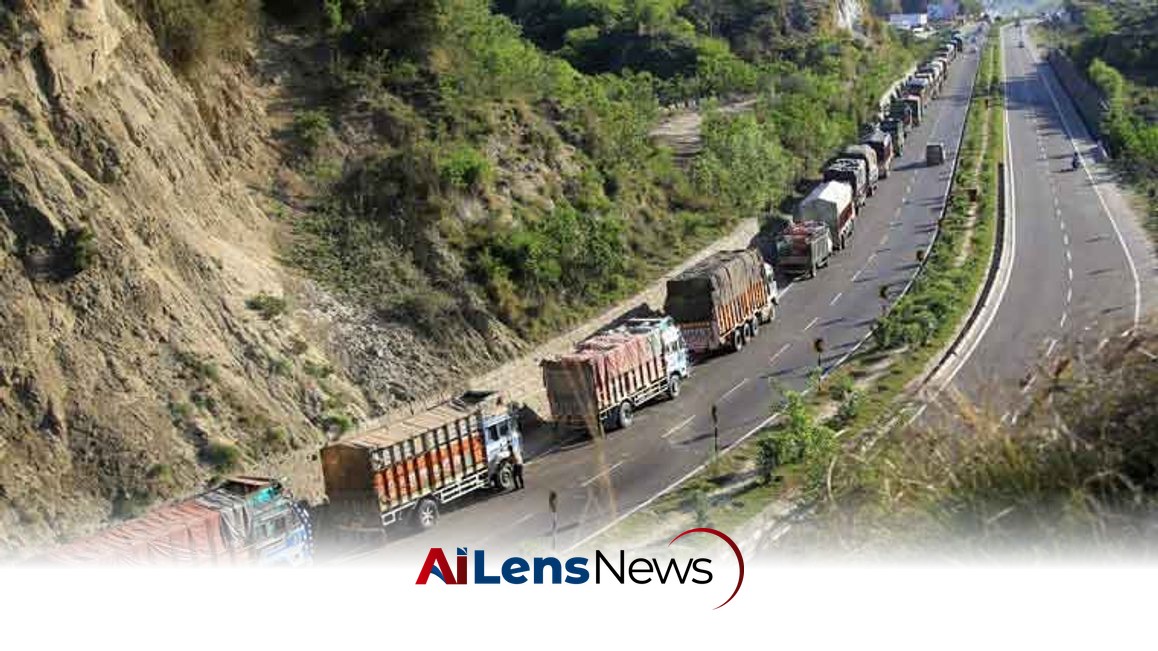


Vehicular movement on the Jammu-Srinagar National Highway (NH-44) has been suspended due to heavy rainfall and mudslides, as advised by J&K Traffic Police.
Leh, India Jul 22, 2026 ALN: The Jammu-Srinagar National Highway (NH-44), a vital artery connecting the Jammu region to the Kashmir Valley, has been rendered impassable due to severe weather conditions. Heavy rainfall has led to multiple incidents of shooting stones and mudslides along the highway, prompting the Jammu and Kashmir (J&K) Traffic Police to halt vehicular movement on both sides of the road.
The Jammu-Srinagar National Highway is not only crucial for everyday commuters but also plays a significant role in the transportation of goods and services. It is the primary route for tourists visiting the picturesque landscapes of Kashmir, making its accessibility vital for the local economy. The closure of this highway due to adverse weather conditions can have far-reaching implications, affecting both the local populace and the tourism sector.
In a recent update posted on social media platform X, the Traffic Police urged travelers to refrain from undertaking any journeys on NH-44 until the weather improves and the road is declared safe for traffic. This advisory is particularly important given the unpredictable nature of weather in the region, especially during the monsoon season when heavy rains are common.
Authorities have recommended that commuters stay informed about the status of the highway through various channels, including the Traffic Police’s X handle, Facebook page, and Traffic Control Units (TCUs) established at strategic locations along the route. These TCUs serve as critical points for disseminating real-time information regarding road conditions and safety advisories.
For those requiring updates, the Traffic Control Units have provided contact numbers for different regions. Commuters can reach out to TCU Jammu at 0191-2459048, 0191-2740550, 9419147732 or 103; TCU Srinagar at 0194-2450022, 2485396, 18001807091 or 103; TCU Ramban at 9419993745 or 1800-180-7043; and TCU Udhampur at 8491928625. These contacts are essential for ensuring that travelers receive timely information to make informed decisions about their journeys.
The impact of such weather-related disruptions is not limited to immediate travel inconveniences. The Jammu-Srinagar highway is critical for the supply chain, including the transport of essential goods, food supplies, and medical services. A prolonged closure could lead to shortages and increased prices, particularly in the Kashmir Valley, where accessibility can be limited by geographical and climatic factors.
Moreover, the safety of travelers is paramount during such conditions. The risk of landslides and falling debris poses a significant threat to vehicles and passengers alike. Authorities are likely to monitor the situation closely, assessing the stability of the road and the surrounding terrain before allowing traffic to resume. This cautious approach is necessary to prevent accidents and ensure the safety of all road users.
The region's topography, characterized by hilly areas and steep slopes, makes it particularly vulnerable to landslides during heavy rains. Historical data indicates that similar weather events in the past have led to significant disruptions on the Jammu-Srinagar highway, necessitating extensive repair and clearance operations. The government has invested in infrastructure improvements over the years, including the construction of retaining walls and drainage systems, but the natural challenges remain a constant threat.
As the monsoon season progresses, it is essential for local authorities and residents to remain vigilant. The J&K government often issues weather alerts and advisories to help residents prepare for potential disruptions. Community awareness and preparedness can significantly mitigate the impact of such weather events, enabling families and businesses to plan accordingly.
In addition to the immediate effects on travel and transport, the heavy rains and subsequent road closures can also influence local tourism, which is a major economic driver in the region. The influx of tourists during the summer months usually brings a boost to businesses, including hotels, restaurants, and local artisans. However, when access is restricted, these businesses may suffer losses, leading to economic ripple effects throughout the community.
Tourism in Kashmir has historically been a double-edged sword. While it significantly contributes to the local economy, it also places pressure on the region's infrastructure and natural resources. The reliance on a single highway for access to this beautiful region makes it particularly vulnerable to disruptions caused by weather events. As such, the local government has been exploring alternative routes and improving existing infrastructure to enhance resilience against such occurrences.
In light of the current situation, the J&K government is likely to expedite assessments of the highway's condition. Engineers and geologists may be deployed to examine the affected areas, determining the extent of damage and necessary repairs. The restoration of the highway is not only a matter of convenience but also of public safety, as the risk of further landslides or road failures could pose ongoing hazards.
Furthermore, the closure of NH-44 can have implications beyond immediate travel and tourism. The highway is essential for the movement of essential supplies, especially food and medical goods, which are crucial for maintaining the health and well-being of residents in the Kashmir Valley. Prolonged disruptions can lead to shortages, affecting the cost of living and overall quality of life for those reliant on these supplies.
In conclusion, the halting of traffic on the Jammu-Srinagar National Highway due to heavy rainfall and mudslides serves as a reminder of the region's vulnerability to natural disasters. The J&K Traffic Police's proactive measures in advising against travel and providing contact information for updates reflect the importance of safety and communication during such events. As the situation develops, both authorities and residents will need to remain alert and prepared for any further weather-related challenges that may arise in the coming days. The resilience of the local community, combined with effective governmental response, will be critical in navigating the impacts of these adverse weather conditions and ensuring the safety and well-being of all those affected.
To learn more about the latest developments in Transport & Mobility, stay updated with our exclusive reports and analyses on AiLensNews.

