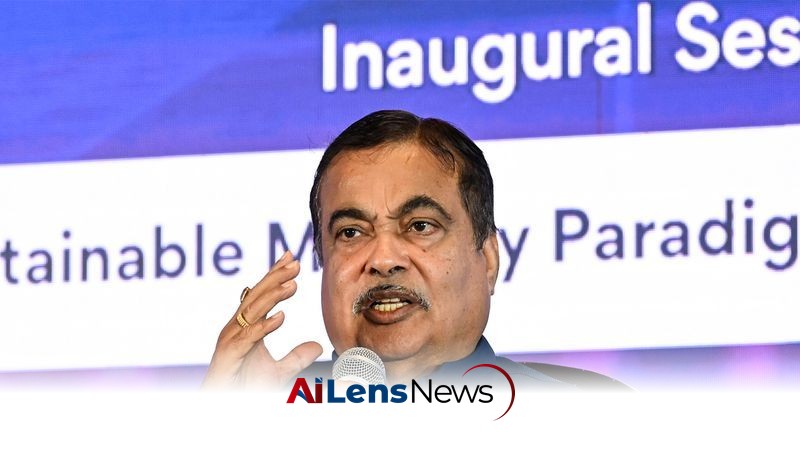


The government has announced that only BS-III vehicles manufactured between 2005 and 2016 may need minor modifications to use E20 fuel, according to Union Minister Gadkari.
Leh, India Jul 30, 2026 ALN: The Indian government has provided clarity regarding the use of 20 percent ethanol-blended petrol (E20) in Bharat Stage III (BS-III) vehicles. Union Minister Nitin Gadkari informed the Rajya Sabha that only BS-III vehicles introduced from April 1, 2005, and manufactured before 2016 might require minor modifications to certain rubber components and gaskets when operated on E20 fuel.
This announcement comes as part of the government's broader initiative to promote the use of biofuels and reduce dependency on fossil fuels. The introduction of E20 is seen as a significant step towards achieving environmental sustainability and reducing carbon emissions from vehicles. Ethanol, derived from renewable sources such as sugarcane, corn, and other biomass, is considered a cleaner alternative to traditional fossil fuels, and its use can substantially lower the carbon footprint of the transportation sector.
According to Gadkari, the modifications necessary for these vehicles are minimal and primarily involve the replacement of rubber components that may not be compatible with the higher ethanol content in E20. This is crucial as ethanol can affect the durability of certain materials used in vehicle manufacturing. Some rubber materials may swell or degrade when in contact with higher concentrations of ethanol, potentially leading to fuel leaks or other operational issues. Therefore, ensuring that these components are replaced with ethanol-resistant materials is essential for the safe operation of vehicles using E20 fuel.
It is important to note that while the modifications are described as minor, vehicle owners should be proactive in addressing these changes to ensure their vehicles operate efficiently on E20. The government encourages vehicle owners to consult with their manufacturers or authorized service centers to understand the specific requirements for their vehicles. This proactive approach aims to prevent any disruptions in vehicle operation and to foster a smooth transition to E20 fuel.
Vehicle owners of BS-III models are encouraged to check with their manufacturers or authorized service centers regarding the specific requirements for their vehicles. The government aims to ensure a smooth transition to E20 without imposing significant costs on consumers. By providing clear guidelines and encouraging proactive communication between vehicle owners and manufacturers, the government seeks to alleviate concerns about the compatibility of older vehicles with the new fuel standard.
Moreover, the government has expressed its commitment to supporting vehicle owners through this transition by potentially providing incentives or subsidies for the necessary modifications. This approach not only helps in promoting the adoption of E20 but also ensures that vehicle owners are not burdened with unexpected expenses. Such support can play a critical role in encouraging the uptake of E20 fuel, especially among those who might be hesitant due to concerns about the costs of modifications.
The push for E20 fuel aligns with India's commitment to increasing the share of renewable energy in its fuel mix. By promoting ethanol-blended fuels, the government hopes to enhance energy security and reduce greenhouse gas emissions, contributing to the fight against climate change. The Indian government has set ambitious targets for renewable energy usage, aiming to achieve 175 GW of renewable energy capacity by 2022 and 450 GW by 2030. The incorporation of biofuels like E20 is a critical component of this strategy.
In addition to environmental benefits, the use of E20 fuel can also have significant economic implications. The production of ethanol can create jobs in the agricultural sector, as it is often produced from crops that are cultivated by local farmers. This not only supports rural economies but also helps in stabilizing agricultural prices by providing an additional market for farmers' produce. Furthermore, by reducing reliance on imported fossil fuels, India can improve its energy independence and reduce vulnerability to global oil price fluctuations.
The shift to E20 is also part of a larger trend towards sustainability in the automotive sector, which is increasingly being influenced by consumer demand for greener alternatives. As awareness of climate change and environmental issues grows, consumers are more likely to favor vehicles that utilize cleaner fuels. This consumer trend is prompting automotive manufacturers to innovate and adapt their offerings to meet new standards and expectations.
As the country moves towards a more sustainable future, the adoption of E20 fuel is expected to play a vital role in the automotive sector, benefiting both the environment and the economy. The transition to cleaner fuels is not just a matter of regulatory compliance; it represents a significant shift in how transportation is viewed in the context of sustainability and public health. The implications of this shift extend beyond just the automotive industry, influencing policies and practices in related sectors such as agriculture, energy, and environmental management.
In conclusion, the government's clarification on the requirements for BS-III vehicles is a positive step towards promoting cleaner fuels and ensuring that vehicle owners are well-informed about the necessary modifications. The initiative to implement E20 fuel is indicative of a larger trend towards sustainability in the transportation sector, which could serve as a model for other countries looking to reduce their carbon emissions and embrace renewable energy sources. As the automotive industry adapts to these changes, ongoing communication and education will be essential to ensure that both consumers and manufacturers are prepared for the transition to a greener future.
Furthermore, the successful implementation of E20 fuel could set a precedent for the development and adoption of other biofuels in India. As the government continues to explore and promote alternative energy sources, the lessons learned from the E20 transition could inform future policies and initiatives aimed at fostering a more sustainable and resilient energy landscape. This could ultimately contribute to a more integrated approach to energy and environmental policy, reinforcing India's position as a leader in the global effort to combat climate change.
To learn more about the latest developments in Transport & Mobility, stay updated with our exclusive reports and analyses on AiLensNews.

