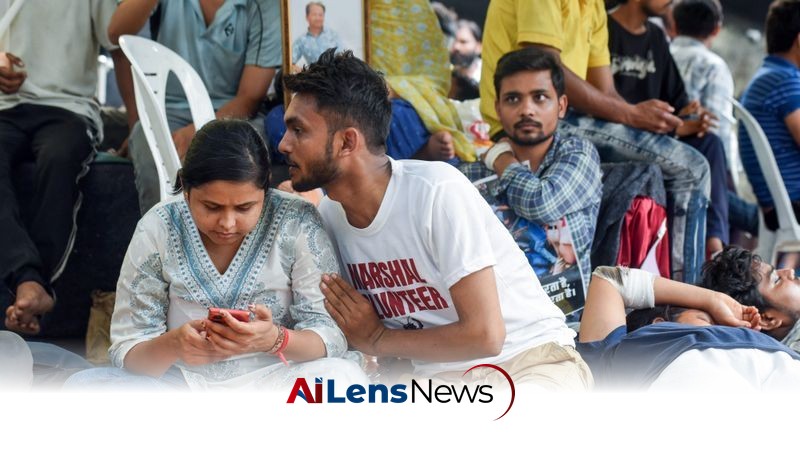


Sixteen Delhi Metro stations, including key hubs like Rajiv Chowk and Central Secretariat, are closed due to security concerns amid ongoing protests.
Leh, India Jul 23, 2026 ALN: New Delhi: In response to security concerns surrounding the ongoing protests related to the Citizenship Amendment Act (CAA), the Delhi Metro Rail Corporation (DMRC) has announced the closure of sixteen metro stations. This decision was made to ensure the safety of passengers and to manage the situation effectively.
The affected stations include:
As of Thursday morning, these stations will remain closed until further notice. Commuters are advised to plan their journeys accordingly and to check for updates from the DMRC.
The protests, which have drawn significant attention, are part of a larger movement advocating for the rights of various communities affected by the CAA. The Citizenship Amendment Act, passed by the Indian Parliament in December 2019, aims to provide a pathway to citizenship for non-Muslim refugees from three neighboring countries: Afghanistan, Bangladesh, and Pakistan. While the government argues that the act is intended to protect persecuted minorities, critics contend that it discriminates against Muslims and undermines India's secular constitution.
The CAA has been a point of contention since its inception, sparking widespread protests across the country. The act is seen by many as part of a broader agenda to redefine Indian citizenship along religious lines. Critics argue that this move not only violates the secular principles enshrined in the Indian Constitution but also poses a significant threat to the rights of Muslim citizens. The protests have seen participation from a diverse cross-section of society, including students, activists, and various political organizations, all united in their dissent against the act.
The protests against the CAA have been widespread, with various groups, including students, civil society members, and political organizations, voicing their dissent. Demonstrations have taken place in multiple cities, often escalating into confrontations with law enforcement. The ongoing unrest has highlighted deep-seated concerns regarding religious discrimination and the treatment of minorities in India. In many instances, these protests have been met with heavy police presence and, at times, violent crackdowns, leading to injuries and fatalities among protesters and bystanders alike.
In the capital, New Delhi, the protests have been particularly intense, with large gatherings drawing attention to the broader implications of the CAA in the context of the National Register of Citizens (NRC). The NRC, which aims to document all legal citizens of India, has raised fears among many that it could lead to statelessness for those unable to provide the necessary documentation, particularly affecting marginalized communities. The combination of the CAA and NRC has led to widespread anxiety, as many fear that they could be rendered stateless due to bureaucratic hurdles or the inability to prove their citizenship.
Authorities are closely monitoring the situation and have deployed additional security personnel in sensitive areas to prevent any untoward incidents. The Delhi Police have issued statements urging protesters to maintain peace and refrain from violence. Such measures come in light of previous protests that have turned violent, resulting in injuries and loss of life, raising alarms about public safety. The government's approach to managing these protests has been criticized by various human rights organizations, which argue that the use of excessive force against demonstrators is not only unjust but also counterproductive to addressing the underlying issues.
In addition to the metro station closures, roadblocks and diversions have been implemented in areas where protests are occurring. Commuters are encouraged to use alternative routes and to stay informed through official channels. The DMRC has emphasized the importance of passenger safety and has activated its emergency protocols in response to the heightened tensions. These measures reflect a broader strategy by city officials to maintain order while also ensuring that essential services remain operational as much as possible.
The implications of the protests and the government's response are significant. Critics argue that the CAA, along with the NRC, poses a threat to India's secular fabric and could lead to widespread discrimination against Muslim citizens. Supporters of the government, however, maintain that the act is a necessary step to protect vulnerable populations who have faced persecution in neighboring countries. This divide in public opinion underscores the complexity of the issue, as it intertwines with larger debates about national identity, secularism, and the role of religion in the public sphere.
As the protests continue, the situation remains fluid, with activists calling for sustained demonstrations until their demands are met. These demands often include the repeal of the CAA, a halt to the NRC, and a broader commitment to protecting the rights of all citizens, regardless of religion. The ongoing unrest has prompted discussions about the future of citizenship laws in India and the potential need for comprehensive reforms that prioritize human rights and equality.
Further updates will be provided as the situation develops. The Delhi Metro Rail Corporation is expected to issue regular announcements regarding the status of the affected stations and any changes to service. Passengers are advised to remain vigilant, adhere to safety protocols, and consider alternative means of transportation to navigate the city during this period of unrest.
The ongoing protests have also sparked discussions on social media and various public forums, with citizens sharing their views and experiences related to the CAA and NRC. The discourse has been polarized, reflecting the broader societal divisions on issues of national identity and citizenship. As people engage in these discussions, there is a growing recognition of the need for inclusive dialogue that addresses the concerns of all communities in India.
In light of these developments, community organizations and advocacy groups have been mobilizing to provide support to those affected by the protests, including legal assistance and resources for individuals facing intimidation or violence. This grassroots response underscores the resilience of civil society in the face of governmental challenges to democratic principles. Many organizations are working tirelessly to ensure that the voices of marginalized communities are heard, emphasizing the importance of solidarity and collective action in challenging oppressive policies.
As the situation evolves, it remains to be seen how the government will respond to the ongoing protests and whether any concessions will be made to address the concerns of the demonstrators. The coming days will be critical in shaping the future discourse around citizenship, identity, and the rights of individuals in India. The outcome of these protests may have lasting implications not only for the CAA and NRC but also for the broader trajectory of democracy and civil rights in the country.
To learn more about the latest developments in Crime & Law, stay updated with our exclusive reports and analyses on AiLensNews.

