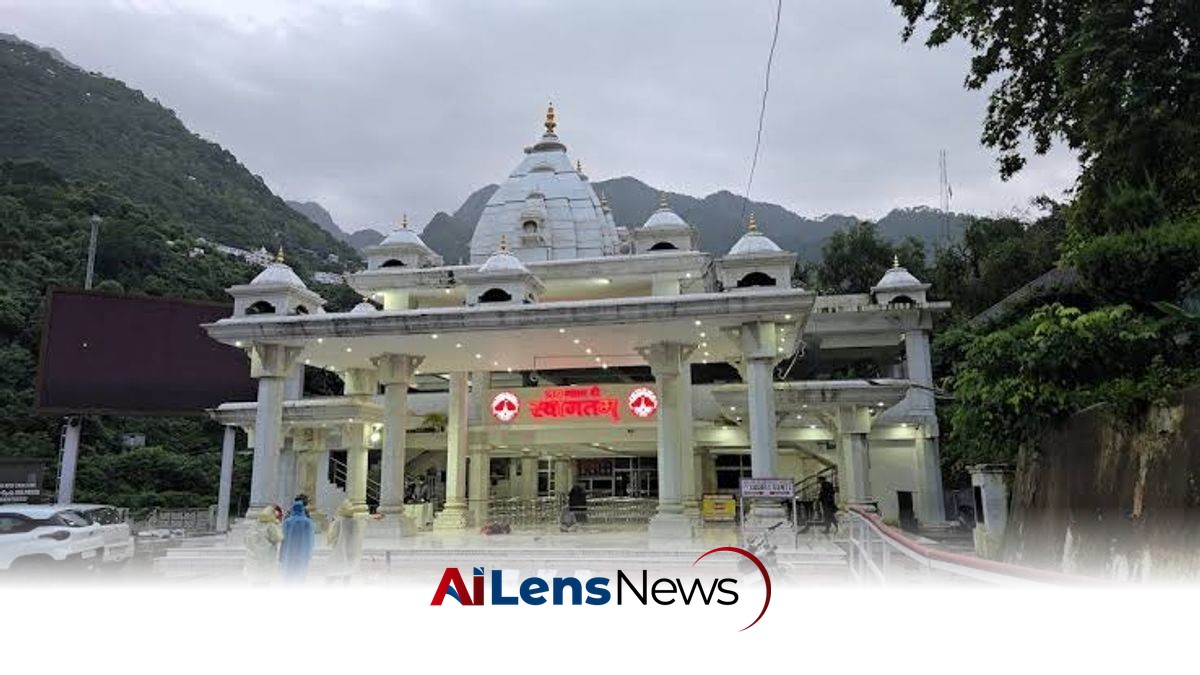


In response to heavy rainfall and potential emergencies, a Control Room has been set up in Katra to manage disaster situations effectively.
Leh, India Jul 19, 2026 ALN: In light of the ongoing monsoon conditions that pose significant risks such as heavy rainfall, flash floods, landslides, waterlogging, and road blockages, the Sub-Divisional Administration of Katra has established a Control Room specifically for Monsoon Disaster Management. This initiative aims to ensure a prompt and effective response to any emergencies that may arise during this challenging weather period.
The establishment of the Control Room is part of a broader strategy to enhance disaster preparedness and response mechanisms in the region. An order issued by the Sub-Divisional Magistrate (SDM) Katra, Piyush Dhotra (JKAS), outlines that the Control Room will operate under the overall supervision of Tehsildar Katra, Jatinder Singh. It will work in close coordination with various stakeholders, including police, Public Works Department (PWD), health services, power supply agencies, Jal Shakti (water resources), municipal authorities, and other relevant departments. This collaborative approach is crucial for managing the multifaceted challenges posed by the monsoon.
The Control Room is tasked with maintaining a continuous, round-the-clock watch over the evolving monsoon situation. Its responsibilities include receiving and documenting reports related to heavy rainfall, flash floods, landslides, damage to property, and disruptions affecting roads, electricity, and drinking water supply. Furthermore, it will facilitate timely communication of situation reports to higher authorities, enabling them to take necessary actions to mitigate risks and manage emergencies effectively.
Residents and stakeholders are encouraged to reach out to the Katra Monsoon Control Room at the dedicated phone number 01991-295681 in the event of any rain-related emergencies or to report incidents that require immediate attention. This proactive measure is intended to empower the community to participate in the disaster management process, ensuring that information flows efficiently between citizens and authorities.
In conjunction with the establishment of the Control Room, the Shri Mata Vaishno Devi Yatra has been temporarily suspended due to the adverse weather conditions prevailing in Katra and the Trikuta Hills. This pilgrimage, significant to many devotees, has been halted as a precautionary measure to safeguard the well-being of those participating. The decision reflects a commitment to prioritizing safety over the continuation of religious practices in hazardous conditions.
Pilgrims have been advised to stay informed through official channels about the potential resumption of the Yatra. The authorities plan to resume the pilgrimage once conditions improve, and the routes are deemed safe for movement. This situation has understandably caused disappointment among devotees, some of whom traveled long distances to participate in the Yatra.
Several devotees were observed worshipping from a distance, expressing their concerns and hopes for the situation to improve. Rekha, a devotee who traveled from Jamnagar district in Gujarat, shared her feelings of disappointment, stating, "I came with a lot of hope; now my heart aches that I can't go. It rained, you see, it rained all night, that's why they aren't letting us go. They are saying it might take five days. They say after five days, if the weather is fine, they will allow us; otherwise, they say the duration might increase further." Her sentiments reflect the emotional connection many devotees have with the pilgrimage, underscoring the impact of weather on religious practices.
In addition to the suspension of the Shri Mata Vaishno Devi Yatra, the ongoing Amarnath Yatra has also been affected by the inclement weather. The Jammu and Kashmir administration officially announced the suspension of the Amarnath Yatra on both the Pahalgam and Baltal routes to ensure the safety of pilgrims. This decision was made following a warning from the India Meteorological Department (IMD) regarding heavy rainfall expected across the Union Territory.
The Amarnath Yatra, a significant pilgrimage that attracts thousands of devotees each year, began on July 3 and is scheduled to conclude on August 28, coinciding with the occasion of Raksha Bandhan. The suspension of this pilgrimage reflects the authorities' commitment to ensuring the safety of pilgrims, especially given the challenging terrain and weather conditions in the region. The decision was taken as a precautionary measure, highlighting the importance of prioritizing human safety over religious observance during adverse weather events.
The broader implications of these developments extend beyond immediate safety concerns. The establishment of the Control Room and the suspension of the Yatra underscore the importance of disaster preparedness and response frameworks in regions prone to natural disasters. The monsoon season, while vital for replenishing water resources and supporting agriculture, also presents significant risks that require robust management strategies.
In recent years, the frequency and intensity of extreme weather events have increased, prompting governments and local administrations to rethink their disaster management protocols. The establishment of dedicated control rooms and the coordination among various departments represent steps toward a more integrated approach to disaster management, where timely information sharing and community engagement play crucial roles.
As the monsoon continues, authorities are closely monitoring the situation, with forecasts indicating widespread rainfall, thunderstorms, and the potential for heavy showers in the coming days. These weather conditions necessitate vigilance and preparedness from both the administration and the community to mitigate the impacts of flooding, landslides, and other related disasters.
In conclusion, the establishment of the Control Room for Monsoon Disaster Management in Katra is a proactive measure aimed at safeguarding the community during the challenging monsoon season. The temporary suspension of significant pilgrimages such as the Shri Mata Vaishno Devi Yatra and the Amarnath Yatra reflects a commitment to prioritizing safety in the face of natural disasters. As the region navigates these challenges, effective communication, community engagement, and robust disaster management strategies will be essential in ensuring the well-being of all residents and visitors.
To learn more about the latest developments in Local & Regional, stay updated with our exclusive reports and analyses on AiLensNews.

