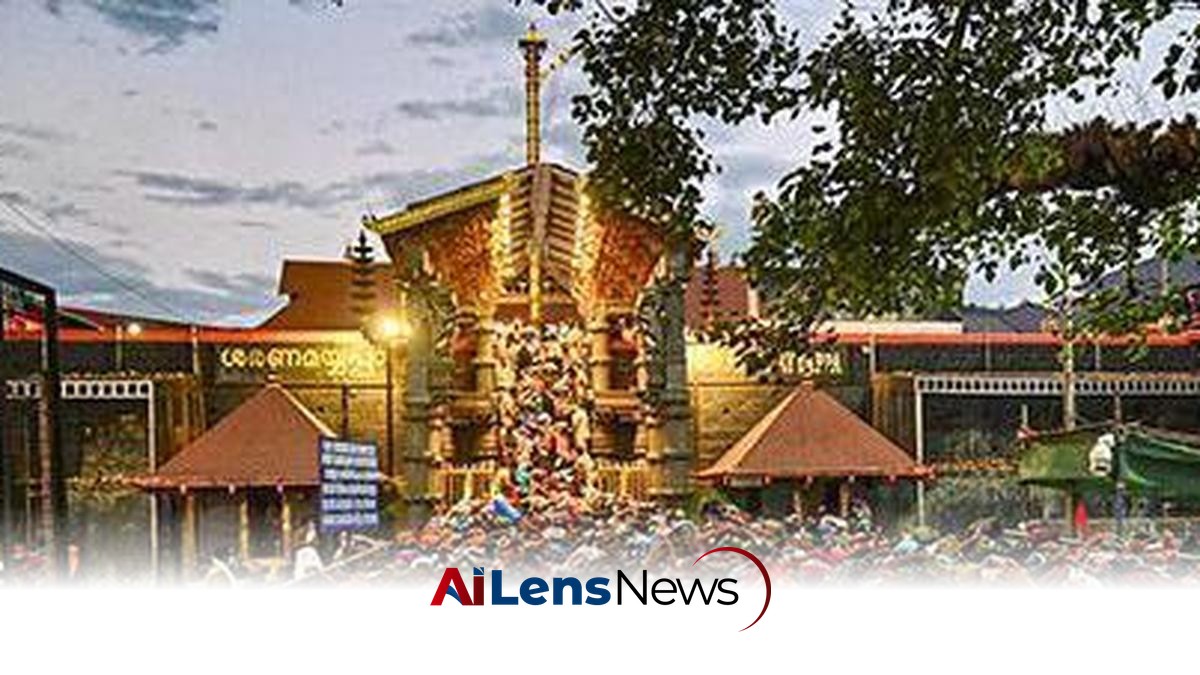


Public Works Minister P.K. Basheer announces plans for comprehensive road repairs ahead of the Mandalam-Makaravilakku pilgrimage season at Sabarimala.
Thiruvananthapuram, India Jul 16, 2026 ALN: The Sabarimala pilgrimage, one of the largest religious gatherings in India, attracts millions of devotees each year to the Ayyappa temple located in the Western Ghats. This pilgrimage, which typically sees devotees from various states across India, is especially significant during the Mandalam-Makaravilakku season, a period that spans approximately two months and includes rituals and celebrations that are deeply rooted in the traditions of the Ayyappa faith. As the next pilgrimage season approaches, preparations are already underway to ensure that the infrastructure supporting this massive influx of pilgrims is adequate and safe. A recent high-level review meeting chaired by Public Works Minister P.K. Basheer has set the stage for a comprehensive renovation of the roads leading to Sabarimala, which is crucial for the smooth conduct of the pilgrimage.
The decision to upgrade the Sabarimala roads and the surrounding road network comes in light of concerns that renovations have not been adequately addressed since 2021. Various factors have contributed to this delay, including the ongoing implementation of the Jal Jeevan Mission, which aims to provide safe drinking water to rural households across India. This mission has involved extensive laying of pipes and infrastructure work that has, in turn, had a notable impact on the condition of the Sabarimala roads. The Minister emphasized that the roads will be repaired to high standards, reflecting a commitment to quality and safety, which is particularly crucial given the high volume of foot traffic during the pilgrimage season.
The Sabarimala temple is situated in a hilly and forested area, making accessibility a critical issue for pilgrims, especially the elderly and differently-abled individuals. The roads leading to Sabarimala are often subjected to wear and tear due to heavy rainfall and the sheer number of pilgrims who traverse them each year. As a result, the upcoming renovations are not merely a matter of convenience; they are essential for the safety and well-being of the devotees. The government’s commitment to improving road conditions reflects an understanding of the unique challenges faced by those undertaking this pilgrimage.
In addition to the physical upgrades to the roads, Minister Basheer has highlighted the importance of road safety as a priority in the renovation plans. The initiative will include the installation of road markings, signboards, and direction boards to guide pilgrims and ensure their safety as they make their way to the temple. These measures are particularly important given the challenging terrain and the potential hazards that can arise during the pilgrimage season, where the combination of large crowds and difficult weather conditions can create dangerous situations.
Moreover, the emphasis on road safety aligns with broader national and state-level initiatives aimed at reducing road accidents and enhancing the overall safety of transportation networks. The government has been proactive in addressing road safety issues, recognizing that infrastructure improvements must go hand-in-hand with safety measures to protect all road users. This is especially pertinent in a region like Sabarimala, where the combination of steep inclines and heavy foot traffic can lead to accidents if safety measures are not properly implemented.
Minister Basheer has instructed officials to submit new proposals for road repairs within a week, indicating a sense of urgency in the preparations. This prompt action is necessary to ensure that all renovations are completed by November 2026, just in time for the pilgrimage season. The timeline reflects a well-coordinated effort to address the needs of the pilgrims while maintaining the integrity of the surrounding environment. The urgency of these renovations highlights the importance of timely infrastructure upgrades in accommodating the millions who travel to Sabarimala each year.
Additionally, the Minister has called for the completion of renovation works for rest houses and other maintenance tasks in the area, which are vital for providing accommodation and basic amenities to the large number of devotees who visit Sabarimala during the pilgrimage season. The availability of quality rest houses not only enhances the experience of the pilgrims but also contributes to their safety and comfort during their stay. With many pilgrims traveling long distances, the need for adequate lodging and facilities cannot be overstated, as it directly impacts their overall experience.
The review meeting held on July 17, 2026, was attended by key officials, including Additional Secretary of the Public Works Department V.R. Vinod, Chief Engineers, and PWD officials from several districts, including Thiruvananthapuram, Kollam, Pathanamthitta, Alappuzha, Kottayam, Idukki, and Ernakulam. This collaborative approach underscores the importance of inter-departmental coordination in executing such a significant project, ensuring that all stakeholders are aligned in their efforts to enhance the pilgrimage experience. The involvement of multiple departments also reflects the multifaceted nature of the pilgrimage, which extends beyond just road access to include accommodation, sanitation, and other essential services.
The implications of these renovations extend beyond mere infrastructure improvements. The Sabarimala pilgrimage is not only a religious event; it is also an economic driver for the region. The influx of pilgrims generates significant revenue for local businesses, including hotels, restaurants, and shops selling religious items. Improved roads and facilities can lead to a more positive experience for pilgrims, encouraging repeat visits and boosting the local economy. This economic aspect is crucial, as many families and local entrepreneurs rely on the pilgrimage season for their livelihoods, making the successful execution of these renovations a matter of economic importance as well.
Furthermore, the renovations may also have environmental implications. The Sabarimala area is known for its rich biodiversity, and any construction or renovation work must be carried out with care to minimize ecological disruption. The government will need to ensure that the renovation efforts are sustainable and do not adversely impact the surrounding natural environment, which is a vital aspect of the region's identity and heritage. This balance between development and conservation is essential, as the natural beauty of the Western Ghats is one of the main attractions for pilgrims and tourists alike.
As the date for the pilgrimage season approaches, the effectiveness of these renovation efforts will be closely monitored by both the government and the public. The successful execution of these plans will not only enhance the safety and experience of the pilgrims but will also reflect the government's commitment to improving infrastructure in a region that holds immense cultural and religious significance for millions of devotees. The upcoming months will be critical as officials work to meet the ambitious timeline set forth in the review meeting, ensuring that Sabarimala is ready to welcome pilgrims once again. The anticipation surrounding the pilgrimage season is palpable, with many looking forward to the spiritual and communal aspects of this revered journey, underscoring the importance of the preparations being made.
To learn more about the latest developments in Local & Regional, stay updated with our exclusive reports and analyses on AiLensNews.

