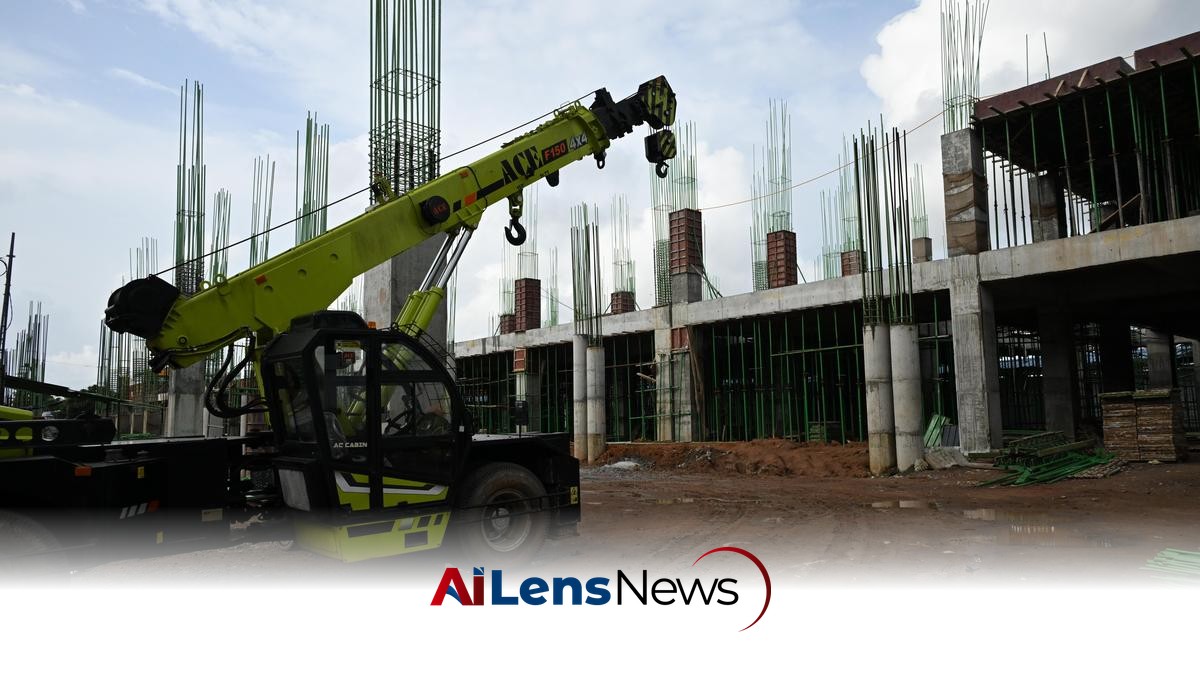


The Indian Railway has revised the completion deadlines for the redevelopment of Ernakulam Junction and Ernakulam Town stations to 2028 due to contract terminations and fresh tenders.
Thiruvananthapuram, India Jul 27, 2026 ALN: The Indian Railways has officially announced an extension of the deadlines for the redevelopment projects of Ernakulam Junction (ERS) and Ernakulam Town (ERN) railway stations, moving the completion dates to March 2028 and December 2028, respectively. This decision follows the re-tendering of the associated works, a process necessitated by the termination of contracts with previous contractors who failed to meet the original project timelines. The redevelopment of these stations is a significant undertaking, reflecting the Indian Railways' commitment to modernizing its infrastructure and improving passenger experiences across the nation.
The redevelopment of ERS and ERN was initially projected to cost ₹300 crore and ₹150 crore, respectively, with the original completion deadlines set for August 2025. However, the inability of the contractors to adhere to the timelines led to significant delays, prompting the Railway authorities to seek new bids for the projects earlier this year. The re-tendering process for ERN is currently underway, indicating a shift in strategy to ensure that the redevelopment can be completed in a timely manner. The decision to re-tender reflects a broader trend within the Indian Railways to ensure accountability and efficiency in project execution, especially in light of the increasing demands on the rail network.
Railway officials have acknowledged that the delays and the re-tendering process may lead to an escalation in project costs. This is a common challenge in large-scale infrastructure projects, where initial estimates may not account for unforeseen circumstances such as contractor performance issues, changes in material costs, and regulatory hurdles. The pending construction works at ERN are expected to resume in January 2027, contingent upon the successful awarding of contracts to new firms capable of executing the redevelopment plans effectively. This timeline, while extended, underscores the urgency for the Railway authorities to act swiftly in selecting competent contractors to avoid further delays.
In light of these developments, the All Railway Users’ Association (KERUA) has voiced concerns regarding the safety and accessibility of the stations. The association has called for the Railway authorities to ensure a safe and well-lit pathway for passengers from the entry to the exit of ERS. Paul K.J. Manvettom, president of KERUA, emphasized the necessity for semi-permanent roofing along the pathways to protect passengers from the monsoon rains. The monsoon season in can be particularly harsh, and the lack of adequate shelter can deter passengers from using the station, leading to decreased footfall and potential safety hazards. Furthermore, he highlighted the urgent need to raise the height of the low-lying platforms at the station, citing numerous accidents and difficulties faced by passengers due to the inadequate platform height. This issue is critical, as platform height directly affects the safety and convenience of boarding and alighting from trains, especially for elderly passengers and those with disabilities.
KERUA has also pointed out the need for enhanced amenities at the eastern entry of both stations, as a significant number of residential areas are situated on the eastern side of the city. The association has criticized the Railway’s focus on the main entry on the western side, asserting that the potential of the eastern entry is being overlooked. They proposed that Platform 2 at ERN should be extended to connect with the Ernakulam North overbridge, which would facilitate the construction of a skywalk linking the railway station with the adjacent Town Hall metro station. This proposed connection would not only improve passenger flow but also integrate different modes of transport, making it easier for commuters to transition between rail and metro services. Additionally, KERUA has requested that the lengths of four platforms at ERS be increased, as only Platforms 1 and 3 are currently able to accommodate trains with the full complement of 25 coaches, leading to delays and operational inefficiencies. The current limitations on platform lengths hinder the ability of the station to handle peak traffic effectively, causing congestion and frustration for travelers.
In response to the ongoing issues, the passengers’ association has been advocating for the installation of lifts and escalators at all platforms within the stations, aiming to improve the overall accessibility and convenience for travelers. Accessibility is a critical aspect of modern transportation infrastructure, as it ensures that all passengers, regardless of physical ability, can use the facilities without undue hardship.
In a related development, the Karithala Poura Samiti, a collective of families residing near the eastern entry of ERS, has raised concerns regarding the underutilization of the available space and the building owned by the Greater Cochin Development Authority (GCDA). The Samiti has pointed out that over 35 families surrendered their land to the GCDA for the development of the station’s eastern entry, yet the Railway has been hesitant to take over the building offered by the GCDA for ₹10 crore more than a decade ago. The reluctance to utilize this space raises questions about the planning and prioritization of redevelopment efforts. They also highlighted that Platform 6, which faces the eastern entry, lacks a roof, further complicating the situation for passengers using that entry. The absence of a roof on Platform 6 is a significant oversight, especially given the climatic conditions in the region, which can affect passenger comfort and safety.
The redevelopment of these railway stations is not merely a matter of infrastructure improvement; it reflects broader themes of urban development, accessibility, and community engagement. As cities like Ernakulam continue to grow and evolve, the need for efficient transportation networks becomes increasingly critical. The railway stations serve as vital hubs for commuters and travelers, and their redevelopment is essential for enhancing the overall travel experience. The integration of modern amenities, safety features, and accessibility options will play a crucial role in attracting more passengers and ensuring a positive perception of the railway services.
The delays in the redevelopment projects can be attributed to various factors, including bureaucratic hurdles, financial constraints, and the challenges of coordinating large-scale construction efforts within urban environments. The Indian Railways, as one of the largest employers and transport networks in the country, faces immense pressure to deliver projects on time while ensuring safety and quality standards are met. The complexity of managing multiple stakeholders, including government authorities, contractors, and local communities, adds another layer of difficulty to the process. Effective communication and collaboration among these groups will be essential to overcoming the challenges and achieving the desired outcomes.
Moreover, the implications of these redevelopment projects extend beyond the immediate vicinity of the railway stations. Improved infrastructure can lead to increased footfall, enhancing local businesses and contributing to economic growth in the area. The presence of well-developed railway stations can attract more commuters, thereby boosting the local economy through increased spending in nearby shops and services. Conversely, delays and inadequate facilities can deter potential users, impacting not just the railway service but also the surrounding community's economic vitality. The success of the redevelopment projects will have lasting effects on the local economy, community cohesion, and the overall quality of life for residents.
In conclusion, while the extension of deadlines for the redevelopment of Ernakulam Junction and Ernakulam Town railway stations may be seen as a setback, it also presents an opportunity for the Railway authorities to reassess their strategies and ensure that the final outcomes meet the needs of the community. Engaging with local stakeholders, such as the KERUA and the Karithala Poura Samiti, will be essential in shaping a redevelopment plan that is not only functional but also inclusive and considerate of the diverse needs of all railway users. As the projects move forward, the focus must remain on delivering high-quality infrastructure that enhances safety, accessibility, and overall passenger experience. The successful completion of these projects will not only benefit the immediate users of the railway services but will also contribute to the long-term development goals of Ernakulam as a modern urban center.
To learn more about the latest developments in Transport & Mobility, stay updated with our exclusive reports and analyses on AiLensNews.

