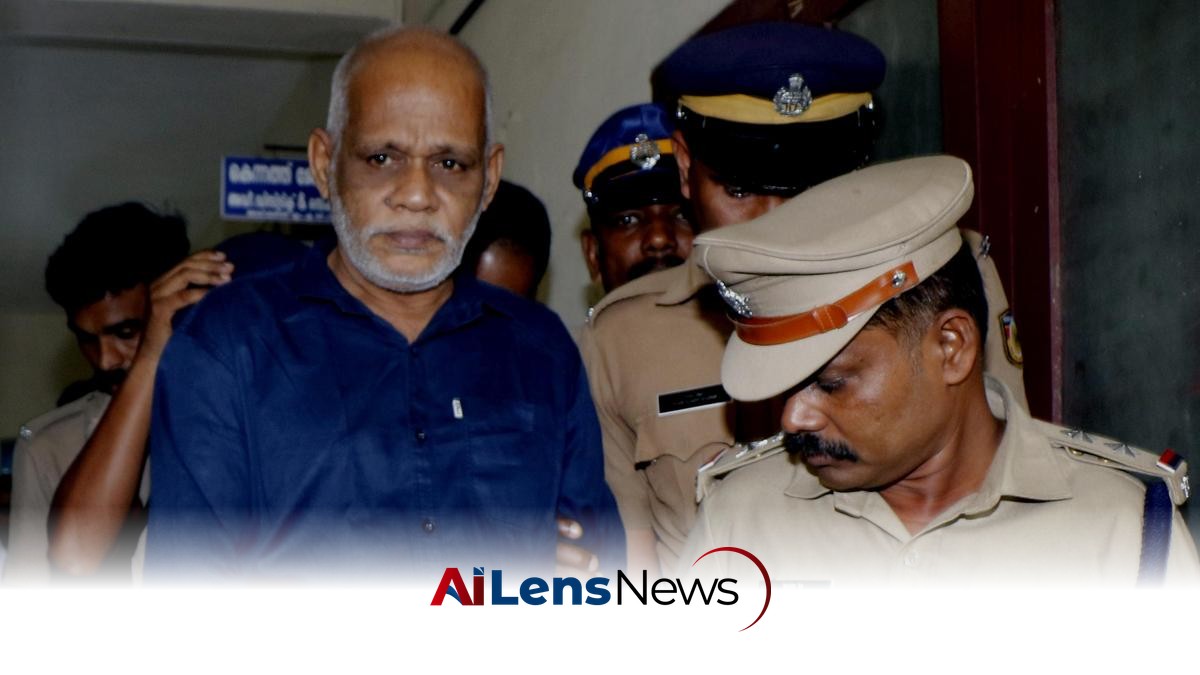


In a groundbreaking judgment, the Pothundy double murder case sees the court directing rehabilitation measures for the orphaned children of the victims while sentencing the convict to death.
Thiruvananthapuram, India Jul 21, 2026 ALN: The Pothundy double murder case has garnered significant attention due to its tragic circumstances and the subsequent legal proceedings that have unfolded. The case revolves around the brutal killing of Sudhakaran and his family members, which has raised numerous questions about the safety of victims' families and the responsibilities of law enforcement agencies. The recent 132-page judgment delivered by Additional District and Sessions Court-IV Judge Kenneth George has not only addressed the fate of the convict, Chenthamara, but also set a precedent by focusing on the welfare of the victims' orphans.
The court's decision to impose the death penalty on Chenthamara, who was found guilty of the heinous crime, reflects the gravity of the offenses committed. The death penalty is a contentious issue in many legal systems, with advocates arguing that it serves as a deterrent to violent crime, while opponents contend that it is inhumane and prone to judicial errors. In this case, the court's ruling underscores the severity of the crime and the need for justice for the victims and their surviving family members.
One of the most significant aspects of the judgment is the court's directive to the District Legal Services Authority (DLSA) in Palakkad to initiate rehabilitation measures for the orphaned daughters of Sudhakaran, namely Akhila and Athulya. The court's recognition of the long-term impact of such violent crimes on the victims' families is a notable development in the legal landscape. Legal experts have pointed out that it is relatively uncommon for courts to include provisions for the rehabilitation of victims' children directly in their judgments. Former deputy director of prosecution P. Premnath highlighted that this direction reflects a broader understanding of the consequences of crime, extending beyond immediate punishment for the perpetrator to encompass the welfare of affected families.
The judgment also stipulated a compensation package of ₹20 lakh to be provided to the victims' family. This financial compensation is intended to assist with the immediate and future needs of the orphans, acknowledging the loss of their parents and the subsequent challenges they may face. The court directed that this amount be recovered from Chenthamara if he has the means to pay, though it is anticipated that he may not be in a position to do so. Consequently, the government has been instructed to ensure that the compensation is made available to the victims' family without undue delay.
In addition to financial compensation, the court recommended further rehabilitation measures specifically for Akhila, who played a crucial role as a prosecution witness in the case. This recommendation suggests an understanding of the psychological and emotional toll that involvement in such traumatic events can have on young individuals. The court's focus on Akhila's needs highlights the importance of providing support systems for witnesses, especially minors, who may face additional stressors as a result of their participation in legal proceedings.
Another critical component of the court's ruling pertains to the safety of the victims' relatives, neighbors, and prosecution witnesses. The judgment mandated that authorities take adequate and effective measures to protect these individuals in the event that Chenthamara is released on parole in the future. This directive comes in light of serious allegations that law enforcement failed to act on prior complaints from Sudhakaran’s family regarding threats made by Chenthamara, as well as his violations of bail conditions prior to the murders. Such lapses have raised concerns about the accountability of police and the effectiveness of protective measures for those who may be at risk due to their association with criminal cases.
Mr. Premnath's remarks regarding the court's emphasis on rehabilitation and protection reflect a growing recognition of the systemic failures that can contribute to violent crime. He pointed out that the police and, by extension, the government share some responsibility for the tragedy, suggesting that timely intervention could have potentially prevented the murders. This perspective invites a broader discussion about the role of law enforcement in safeguarding vulnerable populations and the importance of addressing threats before they escalate to acts of violence.
The Pothundy double murder case serves as a poignant reminder of the far-reaching consequences of violent crime on families and communities. The court's decision to prioritize the rehabilitation of orphans and the safety of witnesses marks a significant step towards recognizing the rights and needs of victims' families within the legal framework. It also underscores the necessity for law enforcement agencies to take proactive measures in addressing threats and ensuring the safety of those who may be in danger due to their involvement in criminal proceedings.
The implications of this case extend beyond the immediate context of the Pothundy murders, as it raises critical questions about how the justice system can better support victims and their families. As legal precedents evolve, there may be increased pressure on courts and lawmakers to implement policies that not only punish offenders but also provide for the long-term welfare of victims and their dependents. The focus on rehabilitation in this case could inspire similar directives in future rulings, fostering a legal environment that prioritizes the needs of those affected by crime.
In conclusion, the Pothundy double murder case has highlighted the complexities surrounding justice, accountability, and the social responsibilities of the state. As the legal proceedings continue to unfold, the emphasis on rehabilitation and protection for victims' families may pave the way for more comprehensive approaches to addressing the aftermath of violent crime, ensuring that the rights and well-being of victims are at the forefront of the judicial process.
To learn more about the latest developments in Crime & Law, stay updated with our exclusive reports and analyses on AiLensNews.

