

The State faces a significant power deficit due to a weak monsoon and rising electricity demand, prompting ongoing power curbs.
Thiruvananthapuram, India Jul 17, 2026 ALN: The current power crisis in the State has emerged as a significant concern, primarily driven by the weakening southwest monsoon and an unprecedented surge in electricity demand. The situation has escalated to the point where authorities have implemented power curbs after 6 p.m., a move that is expected to persist as the challenges of demand and supply continue to evolve.
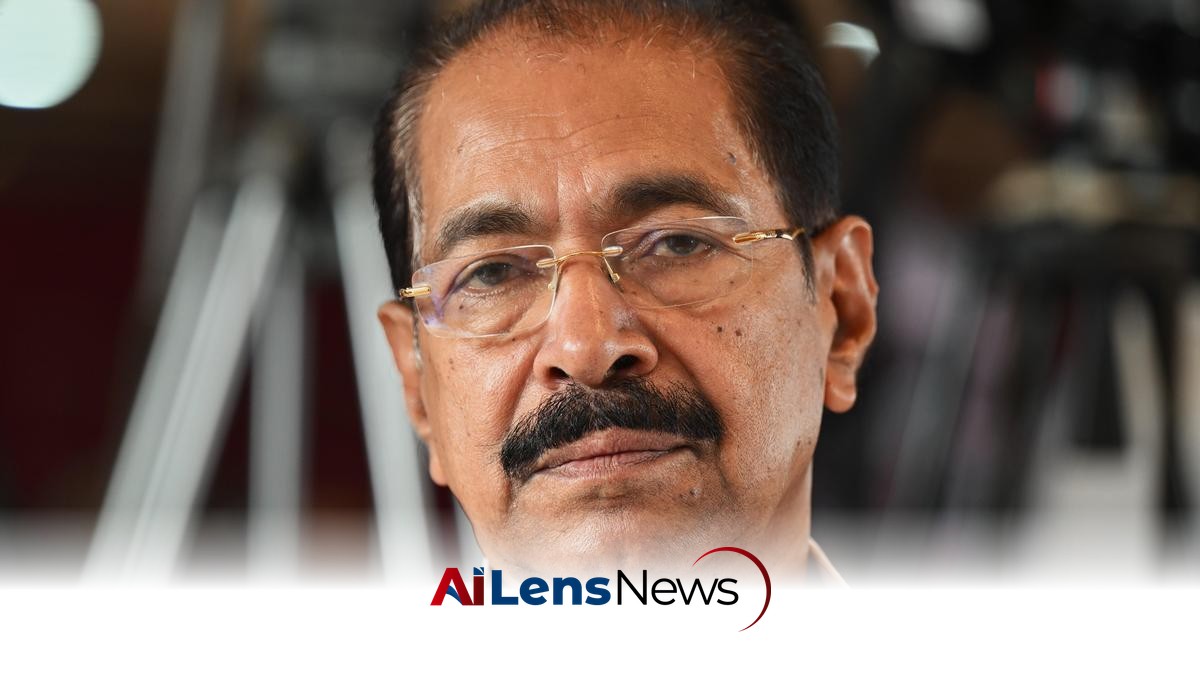
Electricity Minister Sunny Joseph has publicly acknowledged the gravity of the situation, noting that the State is experiencing a power deficit ranging from 500 MW to 600 MW. This deficit is attributed to a confluence of factors, including a notable spike in electricity demand during July, which has seen peak consumption rise sharply. Specifically, the peak demand has surged from approximately 3,500 MW to 3,600 MW in July 2025 to between 4,600 MW and 4,800 MW this July. This increase is not merely a seasonal fluctuation but rather reflects broader trends in energy consumption, influenced by factors such as population growth, economic activity, and the increasing reliance on electrical appliances.
The underlying issue is compounded by the weak performance of the southwest monsoon, which is critical for the State's hydroelectric power generation. The State relies heavily on hydropower, with internal generation accounting for only about 30% of its electricity demand. The reservoirs of the State’s hydroelectric projects are currently at a concerning low, with combined storage levels reported at just 29% of total capacity, which translates to approximately 1,192.20 million units (mu). This is a significant drop from the previous year when storage levels were around 60%. The Idukki power project, the largest in the State with a capacity of 780 MW, is also facing similar challenges, with its reservoir levels mirroring the overall trend.
The demand surge has been further exacerbated by national trends, particularly those linked to El Niño, which has resulted in elevated temperatures across the country. This phenomenon has not only increased the demand for air conditioning and cooling systems but has also placed additional stress on the already strained power grid. The State's Power Department has thus urged industrial and commercial consumers to adopt shift systems to manage electricity usage during peak evening hours effectively. This call to action highlights the need for collective responsibility in energy consumption, especially during times of crisis.
Moreover, the Power Department has issued guidelines for general consumers to mitigate the impact of power shortages. These recommendations include avoiding decorative lighting, setting air conditioners to 25 degrees Celsius or higher, charging electric vehicles during off-peak hours, and refraining from using high-energy appliances such as water pumps, water heaters, washing machines, induction cookers, and iron boxes after 6 p.m. Such measures are intended to alleviate pressure on the grid and ensure that available resources are utilized efficiently.
In addition to the immediate challenges posed by the weak monsoon and rising demand, the State is also in a precarious position regarding its power supply agreements. Traditionally, the monsoon months are when the State returns power acquired under swap arrangements with other States to meet summer demands. This return period, which is critical for maintaining equilibrium in power supply, will not conclude until September 15, further complicating the current crisis.
The political ramifications of the power crisis have also become a focal point of discussion. The Opposition, particularly the CPI(M)-led Left Democratic Front (LDF), has been vocal in its criticism of the government's handling of the situation. Former Finance Minister K.N. Balagopal has pointed out that the current power cuts have become a source of public discontent, with citizens reportedly dubbing them as "Indira Cuts"—a reference to the Congress party's promises during election campaigns. Balagopal has asserted that the LDF's decade-long governance (from 2016 to 2026) did not experience such power cuts, thus framing the current situation as a failure of the UDF government.
It is essential to note that the introduction of power curbs was not an entirely new development initiated by the UDF government. The State Electricity Board (KSEB) first implemented load restrictions on April 28, prior to the UDF taking office. Initially, the KSEB imposed these curbs to maintain grid stability during unavoidable circumstances. Following the UDF's assumption of power in May, the KSEB continued to announce that restrictions would likely remain in place on a limited scale due to an acute power shortage felt nationwide.
The India Meteorological Department (IMD) has provided further context to the crisis, reporting a 33% shortfall in southwest monsoon rainfall between June 1 and July 16. Out of the 14 districts in the State, only Kottayam and Thiruvananthapuram have reported normal rainfall levels, underscoring the uneven distribution of precipitation and its implications on water resources and power generation. This deficit in rainfall has direct consequences for hydroelectric power generation, which relies heavily on adequate water levels in reservoirs.
As the situation continues to evolve, stakeholders—including government officials, energy providers, and consumers—must navigate the complexities of energy management in the face of climate variability and increasing demand. The power crisis not only highlights the vulnerabilities within the State's energy infrastructure but also calls for a broader discussion on sustainable energy practices, diversification of energy sources, and long-term strategies to enhance resilience against future climate-related challenges.
In conclusion, the power crisis in the State is a multifaceted issue that requires immediate attention and action. The interplay of weather patterns, demand fluctuations, and political dynamics creates a challenging landscape for energy management. As the government seeks to address these challenges, the cooperation of all stakeholders will be essential in finding solutions that ensure reliable and sustainable power for all consumers.
To learn more about the latest developments in Health & Public Safety, stay updated with our exclusive reports and analyses on AiLensNews.

