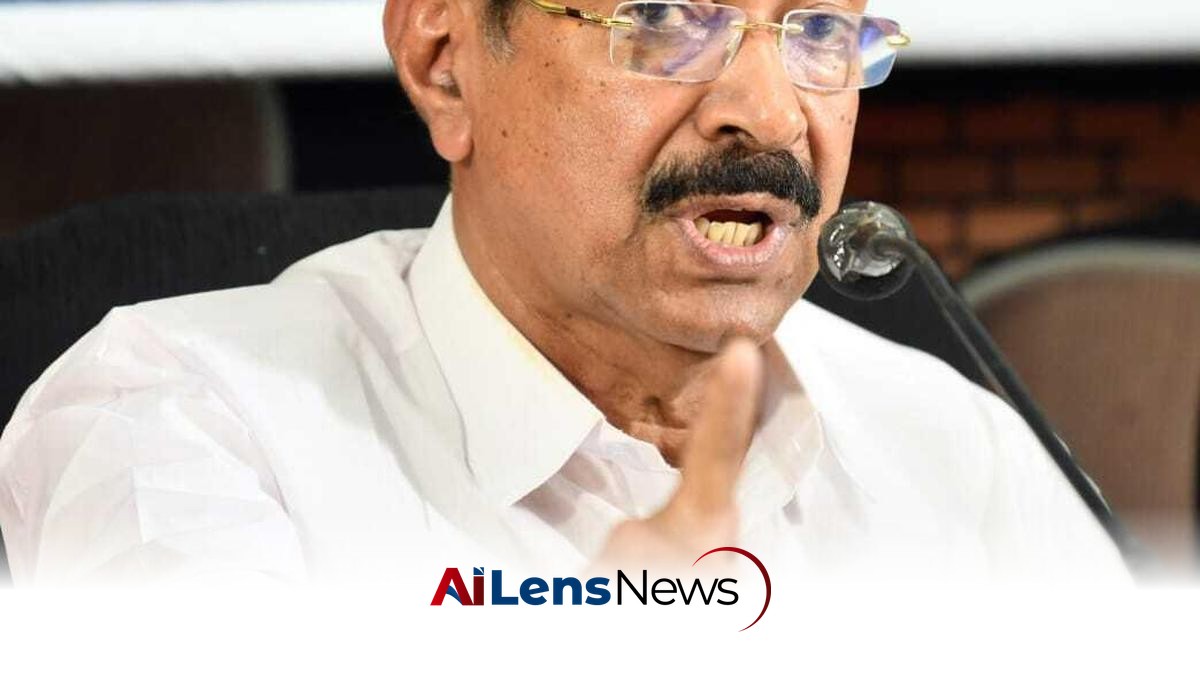


Minister Sunny Joseph highlights the alarming frequency of question paper leaks in competitive exams, urging for accountability and announcing a protest on August 1.
Thiruvananthapuram, India Jul 19, 2026 ALN: Minister for Electricity Sunny Joseph has recently raised alarms regarding the alarming trend of question paper leaks that have plagued competitive examinations across India. During a press conference held in Kannur on July 19, 2026, he characterized these leaks as a serious national crisis, indicating that they have far-reaching implications not only for the integrity of the examination system but also for the mental well-being of millions of aspiring students.
Joseph's statement comes at a time when the credibility of competitive examinations—often viewed as the gateway to higher education and employment opportunities in India—is under intense scrutiny. He claimed that over 152 instances of question paper leaks have been documented across the nation, impacting more than 7.5 crore candidates. This staggering figure underscores the scale of the problem and raises questions about the efficacy of the current examination protocols and the measures in place to safeguard them.
One of the most disturbing allegations made by the Minister was the claim that the NEET (National Eligibility cum Entrance Test) question paper was sold for a staggering ₹40 lakh. This assertion not only highlights the monetary aspects of the leak but also points to a deeper malaise within the examination system, where financial incentives may corrupt the integrity of assessments designed to evaluate merit. Such scandals have had devastating consequences, with reports indicating that several aspirants have resorted to suicide as a result of the pressure and despair caused by these leaks.
The issue has sparked widespread outrage, prompting the Congress party to demand the resignation of Union Education Minister Dharmendra Pradhan. The political ramifications of these leaks are significant, as they have led to calls for accountability at the highest levels of government. Joseph's remarks suggest that he views the Union government's inaction as a failure to protect the interests of students and uphold the sanctity of the examination process.
In response to the ongoing crisis, Joseph announced plans for a major protest organized by the Congress party, along with its youth and student organizations, scheduled to take place in front of Lok Bhavan on August 1. This protest is part of a larger nationwide campaign led by Rahul Gandhi, aimed at addressing examination malpractices and advocating for systemic reforms to prevent future occurrences of such leaks. The involvement of high-profile political leaders indicates that this issue is being framed as not just an administrative failure but a broader societal concern that demands urgent attention.
Joseph also pointed out that irregularities are not limited to academic examinations but are also evident in recruitment examinations conducted by various government bodies. He criticized the opposition for their objections to the government's decision to investigate alleged irregularities in Public Service Commission (PSC) examinations, suggesting that there is a need for transparency and accountability in all forms of public assessments.
Shifting the focus to the state's power situation, Joseph addressed concerns regarding electricity supply during major events, such as the World Cup telecast. He asserted that the arrangements made to ensure uninterrupted electricity during such high-profile broadcasts were adequate, reflecting the government's commitment to maintaining essential services during critical times.
However, he acknowledged that the current power shortage in the state is largely attributed to reduced rainfall and insufficient daytime power storage facilities. This explanation is crucial, as it distances the current crisis from political factors, asserting that it is primarily a result of climatic conditions rather than a failure of governance or management. He emphasized that the challenges faced in the electricity sector are not a reflection of the performance of any particular minister or political party.
Joseph's comments regarding former Electricity Minister M.M. Mani were pointed, as he responded to criticisms about power cuts during his tenure. He noted that power cuts had occurred under previous administrations as well, suggesting that the issues are systemic rather than isolated incidents. His remarks about not wanting to become a “disciple of Mani” indicate a desire to distance himself from past controversies while also highlighting the ongoing challenges posed by changing climatic conditions.
In addition to addressing the question paper leaks and power issues, Joseph also touched on the role of student organizations within the political landscape. He encouraged the Students’ Union (KSU) to remain united and to voice their concerns constructively within the party framework. He acknowledged that KSU leaders had brought certain issues to his attention, which he has since communicated to the Chief Minister. This engagement with student organizations reflects a recognition of their importance in shaping policy and fostering dialogue between the youth and political leadership.
Finally, Joseph addressed the controversy surrounding the appointment of government pleaders, clarifying that such policy decisions are made by the Chief Minister after consulting with him. He emphasized that these decisions are not subject to discussion in any other committees, which raises questions about transparency and the processes involved in such appointments. This statement underscores the complexities of governance and the need for clear communication regarding decision-making processes within the government.
In conclusion, Minister Sunny Joseph's remarks on the issue of question paper leaks reveal a multifaceted crisis that intertwines educational integrity, mental health, political accountability, and governance challenges. As the Congress party prepares for protests and a nationwide campaign, the implications of these leaks will likely resonate beyond the immediate concerns of examination integrity, touching on broader societal issues related to education, opportunity, and the responsibilities of government to its citizens. The coming weeks will be crucial in determining how effectively the government can address these challenges and restore public confidence in the examination system.
To learn more about the latest developments in Crime & Law, stay updated with our exclusive reports and analyses on AiLensNews.

