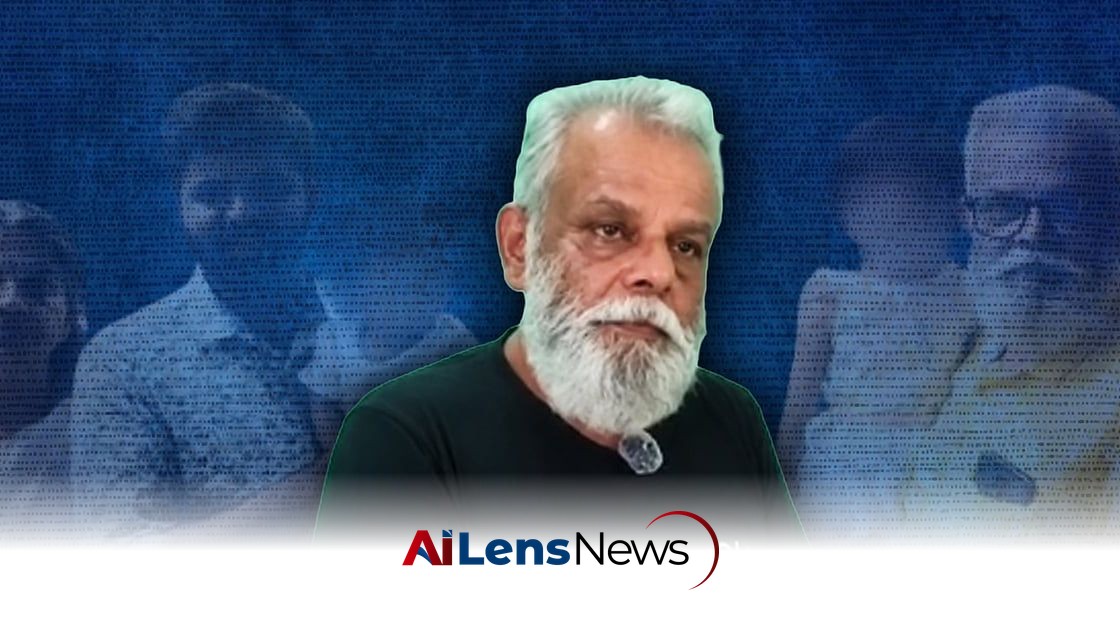


Unnikrishnan, implicated in a POCSO case involving his granddaughter, faces further charges after a family tragedy leads to scrutiny of past allegations.
New Delhi, India Jul 21, 2026 ALN: Follow TNM's WhatsApp channel for news updates and story links.
Unnikrishnan, the father of Kaladharan who died by suicide after allegedly killing his two children in Ramanthali in Kerala’s Kannur, was arrested by the Payyannur police on July 19 in connection with another case under the Protection of Children from Sexual Offences (POCSO) Act. This arrest comes in the wake of a tragic series of events that have shaken the local community and raised serious concerns about child protection and mental health.
Jijesh CP, the Station House Officer (SHO) of Payyannur police station, confirmed to TNM that this was the second POCSO case filed against Unnikrishnan following the case involving his granddaughter, Kaladharan’s daughter. The police received the complaint on July 19 and arrested him on the same day, reflecting the urgency of the situation and the authorities' commitment to addressing allegations of child sexual abuse.
According to the police, Unnikrishnan was charged under sections 7, 8, 11, and 12 of the POCSO Act, which relate to non-penetrative sexual assault and sexual harassment of minors. Additionally, he was charged under section 137(1)(b) of the Bharatiya Nyaya Sanhita (BNS), which defines the offence of kidnapping from lawful guardianship. These charges underscore the serious nature of the allegations against him and the legal framework designed to protect children in India.
Unnikrishnan, a well-known figure in Ramanthali, works as an autorickshaw driver and is also a theatre artist. His public persona as a community member and artist contrasts sharply with the grave charges he now faces. The duality of his life raises questions about how individuals can maintain public roles while being involved in private tragedies and criminal allegations.
On April 2, 2025, a POCSO case was registered against him for allegedly sexually assaulting his granddaughter. While he later secured bail, the High Court barred him from meeting the child, highlighting the legal measures taken to protect the minor involved. This initial case set a precedent for the current allegations and illustrates the ongoing struggle many families face when navigating the legal system in cases of child abuse.
In December 2025, a shocking incident occurred when four members of the family were found dead in their home – KT Kaladharan (36), his mother Usha (56), and Kaladharan’s two young children, aged 6 and 2. The police investigation concluded that it was a murder-suicide triggered by a marital and child custody dispute. Kaladharan’s wife Athira, who was living separately, had secured a family court order granting custody of the children. This tragic event has drawn attention to the intersection of family law and mental health, as well as the devastating impact of domestic disputes on vulnerable children.
Following the deaths, Athira faced sustained and targeted attacks on social media as well as in mainstream media. Several reports questioned the POCSO case filed by her against her father-in-law, framing it as a ‘trap’ by Athira. Major news channels aired sound bites from even distant relatives of her husband, many of whom blamed her for the deaths. This media portrayal raises critical concerns about the responsibility of journalists and news outlets in reporting on sensitive issues, particularly when it involves allegations of abuse and family tragedy. The lack of contact with Athira or her legal representatives before publishing such claims demonstrates a troubling trend in sensationalist reporting.
However, speaking with TNM earlier, the Crime Branch DySP Keerthi Babu, the Investigating Officer in the POCSO case, had said that the FIR records the child’s statement in detail, including when the abuse occurred. This statement is crucial in the legal proceedings and highlights the importance of listening to the voices of children in cases of abuse. The investigation's integrity depends on thoroughness and sensitivity, particularly when the victims are minors.
The implications of this case extend beyond the immediate family involved. It raises broader questions about child protection laws in India, the support systems available for victims of abuse, and the mental health resources accessible to families in crisis. The POCSO Act was implemented to provide a legal framework for the protection of children from sexual offences, yet cases like this reveal the challenges in enforcing these laws and ensuring justice for victims.
Furthermore, the public's reaction to such tragedies often reflects societal attitudes towards mental health and domestic issues. There is a pressing need for increased awareness and education surrounding mental health, particularly in the context of family disputes and the pressures that can lead to tragic outcomes. Communities must engage in open discussions about these issues to reduce stigma and promote supportive environments for those in distress.
As this case unfolds, it serves as a reminder of the critical importance of safeguarding children and addressing the underlying issues that contribute to family violence and mental health crises. Local authorities, social workers, and community organizations must work together to create comprehensive support systems for families facing similar challenges.
In light of this tragic situation, it is imperative for individuals to be aware of mental health resources and support systems available for those in distress. If you are aware of anyone facing mental health issues or feeling suicidal, please provide help. Here are some helpline numbers of suicide-prevention organizations that can offer emotional support to individuals and families.
Tamil Nadu
State health department's suicide helpline: 104
Sneha Suicide Prevention Centre - 044-24640050 (listed as the sole suicide prevention helpline in Tamil Nadu)
Andhra Pradesh
Life Suicide Prevention: 78930 78930
Roshni: 9166202000, 9127848584
Karnataka
Sahai (24-hour): 080 65000111, 080 65000222
Kerala
Maithri: 0484 2540530
Chaithram: 0484 2361161
Both are 24-hour helpline numbers.
Telangana
State government's suicide prevention (tollfree): 104
Roshni: 040 66202000, 6620200
SEVA: 09441778290, 040 27504682 (between 9 am and 7 pm)
Aasara offers support to individuals and families during an emotional crisis, for those dealing with mental health issues and suicidal ideation, and to those undergoing trauma after the suicide of a loved one.
24x7 Helpline: 9820466726
Click here for working helplines across India.
To learn more about the latest developments in Crime & Law, stay updated with our exclusive reports and analyses on AiLensNews.

