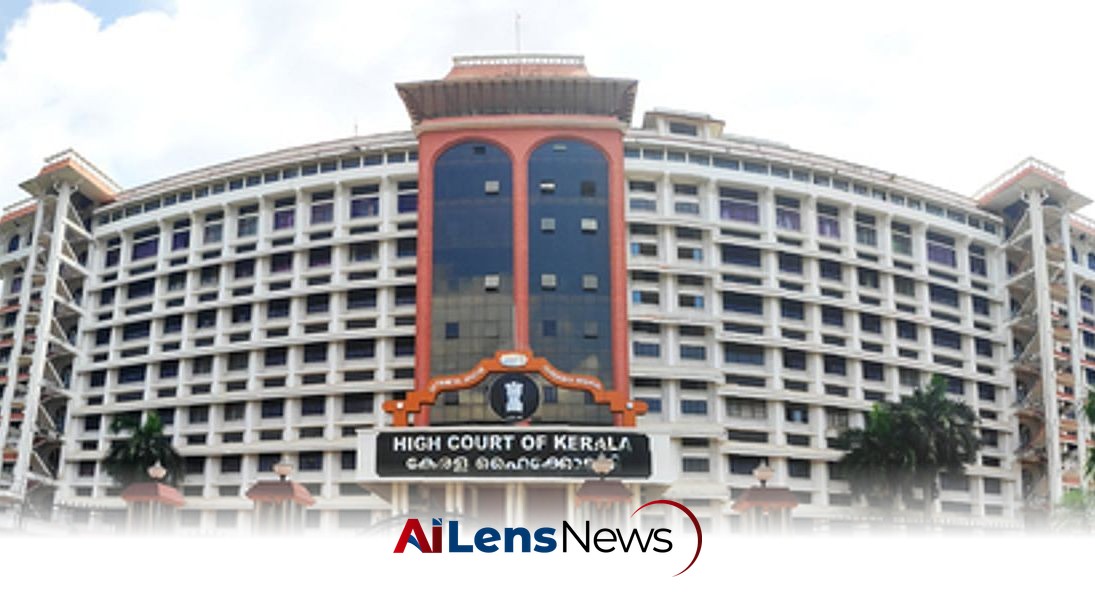


The Kerala High Court has instructed the Travancore Devaswom Board to provide a detailed timeline for its digital transformation project aimed at modernizing administrative functions.
New Delhi, India Jul 14, 2026 ALN: The Kerala High Court has directed the Travancore Devaswom Board (TDB) to submit a comprehensive implementation timeline for its Enterprise Digital Transformation Programme, a project designed to digitize and modernize the Board's administrative functions. This directive comes after the court noted that earnest and effective steps were being taken by all stakeholders to implement the project.
A Division Bench comprising Justice Raja Vijayaraghavan V and Justice KV Jayakumar issued the directive following an update from the Board regarding the progress made in the implementation of the programme. The Bench requested the Board to present a detailed timeline that outlines key milestones and expected completion dates, enabling the court to monitor the project's progress effectively over time.
The Board reported that it had complied with several previous directions from the High Court, including the establishment of a dedicated, ring-fenced Project Management Unit (PMU) savings account with the State Bank of India, obtaining government no-objection certificates (NOCs) for key officials associated with the PMU, and initiating implementation activities in line with the roadmap approved by the court.
Additionally, the Board informed the court that a meeting with domain experts held on June 24 prioritized Sabarimala as the implementation site for the pilot rollout of the project. The Board plans to document existing business processes through an extensive analysis, which is a crucial step in the digital transformation journey.
The Travancore Devaswom Board, which manages several Hindu temples in the southern state of Kerala, has been under scrutiny for its administrative practices and the need for modernization. The digital transformation initiative is expected to enhance operational efficiency, improve transparency, and facilitate better management of temple resources. As a significant religious and cultural institution in Kerala, the TDB's modernization efforts are not only critical for internal governance but also for the millions of devotees who visit the temples annually.
The Enterprise Digital Transformation Programme aims to integrate modern technologies into the Board's operations. This includes the adoption of cloud computing, data analytics, e-governance solutions, and mobile applications. Such technologies are anticipated to streamline various processes, including financial management, inventory control, and visitor management, thereby providing a more user-friendly experience for devotees.
One of the notable aspects of this transformation is its potential impact on the Sabarimala temple, one of the most prominent pilgrimage sites in India. Known for its annual pilgrimage season, which attracts millions of devotees from across the country, the temple's management has faced challenges in handling the influx of visitors. The digitization efforts could lead to improved crowd management, better communication with devotees, and enhanced safety measures during peak seasons.
The court's directive for a timeline reflects a growing recognition of the importance of accountability in public sector projects. By requiring the TDB to outline specific milestones, the High Court aims to ensure that the transformation project does not stall and that there is a clear path toward achieving the intended outcomes. This level of oversight is becoming increasingly common in governmental and quasi-governmental organizations, as stakeholders demand transparency and efficiency in the use of public resources.
Moreover, the establishment of a Project Management Unit (PMU) is a significant step towards effective project governance. A PMU typically comprises a team of professionals tasked with overseeing the implementation of projects, ensuring that they stay on track, within budget, and aligned with strategic goals. The TDB's decision to create a ring-fenced savings account for the PMU indicates a commitment to financial discipline, which is essential for the success of any large-scale transformation initiative.
The TDB's proactive approach in obtaining no-objection certificates for key officials demonstrates an understanding of the regulatory landscape and the importance of compliance in public sector projects. This move not only mitigates potential legal challenges but also builds trust among stakeholders, including the state government and the public.
As the TDB moves forward with its digital transformation, it is crucial for the Board to engage with various stakeholders, including devotees, temple staff, and local communities. Gathering feedback and understanding the needs of these groups will be essential in shaping the digital solutions that are developed. The transformation process should be inclusive, ensuring that the technological advancements serve the interests of all parties involved.
The implications of this digital transformation extend beyond the TDB itself. As the Board modernizes its operations, it sets a precedent for other religious and cultural institutions in India, many of which face similar challenges in governance and resource management. Successful implementation of the Enterprise Digital Transformation Programme could inspire other organizations to adopt similar initiatives, leading to a broader movement towards modernization in the sector.
In conclusion, the Kerala High Court's directive to the Travancore Devaswom Board underscores the importance of accountability and transparency in public sector projects. As the TDB embarks on this ambitious digital transformation journey, the expectations are high. The successful execution of this programme will not only enhance the operational efficiency of the Board but also improve the overall experience for millions of devotees who visit Kerala's temples. The coming months will be crucial as the Board works to finalize its implementation timeline and commence the pilot rollout at Sabarimala, setting the stage for a new era of governance in temple administration.
To learn more about the latest developments in Local & Regional, stay updated with our exclusive reports and analyses on AiLensNews.

