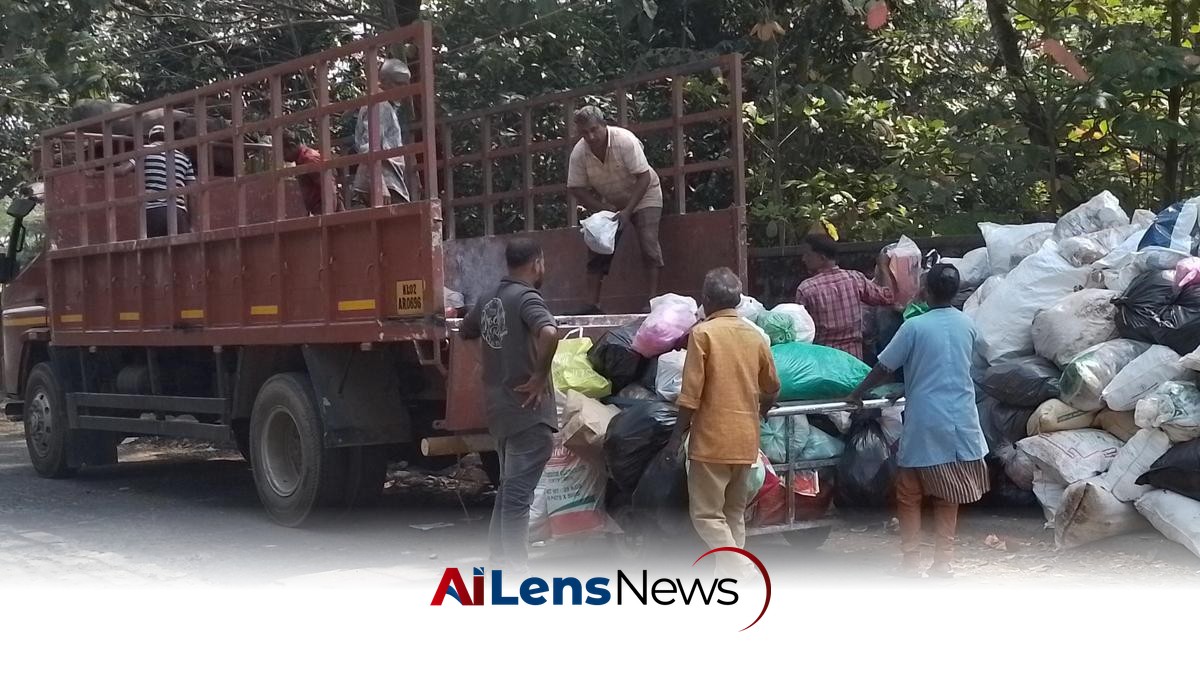


A recent CAG report highlights the inefficiency in Kochi Corporation's vehicle management, with 74.12% of its fleet idling and significant financial losses.
Thiruvananthapuram, India Jul 13, 2026 ALN: A shocking 74.12% of vehicles owned by the Kochi Corporation have been found idling – awaiting fitness certification, repair, or auction in cases where they were no longer serviceable. The findings stem from a recent report by the Comptroller and Auditor General (CAG), which scrutinizes the management of local bodies for the period 2020–21 to 2022–23. This report was tabled in the Assembly earlier this year and has raised significant concerns regarding the operational efficiency of the Kochi Corporation.
Out of the Corporation’s 143 vehicles, 72 had to be auctioned off as unserviceable, while another 34 were off the roads for want of fitness or maintenance. These figures starkly contrast with those from neighboring municipalities, where vehicle idling rates were substantially lower. For instance, the Thiruvananthapuram Corporation recorded an idling rate of 38.18%, Kozhikode 27.06%, and Thrissur 17.65%. This disparity highlights a critical management issue within the Kochi Corporation that warrants immediate attention.
The situation was even worse with the 116 vehicles specifically purchased by the Corporation for waste movement. Out of these, only 11 were reported to be in running condition. As of April 2024, the audit revealed that 55 were unserviceable, 34 were either garaged or lacked fitness certificates, and 16 were set aside for auction. This raises serious concerns about the Corporation's ability to effectively manage its fleet, particularly those vehicles critical for waste management in a city like Kochi, which grapples with significant waste disposal challenges.
Among the 34 vehicles that were off the roads, 14 had been idling for more than a year, while others had been garaged for periods ranging from two months to seven years. The condition of the 55 unserviceable vehicles is particularly alarming, with 20 four-wheeler trucks having remained unattended for periods ranging from nine months to nine years in various yards. A notable case involved six trucks purchased in 2014, which were reported for Fitness Certificate Tests (FCT) between December 2015 and December 2016 but languished in workshops until 2018, ultimately sustaining flood damage and becoming unserviceable. This situation underscores a systemic failure in vehicle maintenance and management within the Corporation.
The audit report pointed out that trucks purchased in 2014 went out of production within a year, leading to a shortage of spare parts. This shortage severely impacted the ability of workshops to undertake necessary repairs, thereby forcing the Corporation to initiate auction proceedings for these vehicles. The CAG report emphasized that the Corporation should have ensured the availability of models and spare parts for a minimum of 15 years. Such planning is crucial for maintaining a functional fleet and avoiding the premature obsolescence of vehicles. Prolonged idling was cited as the primary reason for vehicles becoming unserviceable before completing even a decade of use, which raises questions about the strategic foresight of the Corporation's management.
Commercial vehicles are initially granted fitness certificates for two years, after which they must be renewed annually. However, a test check of 27 vehicles revealed alarming delays in the renewal process, ranging from one-and-a-half months to nine-and-a-half months at various stages once the health wing reported them for FCT. Even more concerning were the delays of up to 44 months in the payment of bills to authorized workshops, which further exacerbated the problem by discouraging timely repairs and maintenance.
The audit noted that delays in processing files for fitness tests and repairs, coupled with non-payment of dues to authorized workshops, resulted in vehicles lying idle for prolonged periods. This inefficiency led to irreparable damage and significant loss of public money, as vehicles that could have been operational were instead left to deteriorate. The report further observed that delays in repairing vehicles used for waste management forced the Corporation to incur additional expenditure on hiring alternative vehicles, further straining the Corporation's budget.
Moreover, the CAG found that there were delays of up to 10 years between the date vehicles went off-road and the date of their auction. Such prolonged idling not only diminishes the operational capacity of the Corporation but also leads to a deterioration in the scrap value of the vehicles, compounding the financial losses. The CAG has recommended timely condemnation and auctioning of unserviceable vehicles, as prolonged idling leads to further losses and inefficiencies.
The implications of these findings are significant. The inefficiencies in vehicle management not only affect operational capabilities but also reflect poorly on the governance and administrative effectiveness of the Kochi Corporation. Effective vehicle management is crucial for maintaining public services, especially in a city where waste management is a pressing issue. The report serves as a wake-up call for the Corporation to reassess its vehicle management strategies and implement more effective practices to ensure that public resources are utilized efficiently.
In conclusion, the CAG report on the Kochi Corporation's vehicle management reveals critical inefficiencies that have led to a substantial number of vehicles idling and becoming unserviceable. The findings underscore the need for immediate reforms in the Corporation's management practices, particularly in the areas of maintenance, timely repairs, and procurement strategies. Addressing these issues is essential not only for improving operational efficiency but also for enhancing public trust in local governance.
The challenges faced by the Kochi Corporation in managing its vehicle fleet are not isolated incidents but rather reflect broader systemic issues that can be found in many municipal administrations across India. Poor vehicle management can stem from a variety of factors, including inadequate funding, lack of skilled personnel, and insufficient planning. In the case of Kochi, the findings from the CAG report suggest a need for a thorough reevaluation of existing protocols and a commitment to implementing more effective management practices.
One of the key areas for improvement is the establishment of a robust maintenance schedule for vehicles. Regular inspections and timely repairs can significantly extend the lifespan of municipal vehicles and reduce the need for costly replacements. Additionally, investing in training programs for personnel responsible for vehicle management can help ensure that they are equipped with the necessary skills and knowledge to operate effectively.
Furthermore, the procurement process for new vehicles should be strategically planned to avoid purchasing models that are prone to obsolescence. The Corporation should engage in long-term partnerships with manufacturers that can provide ongoing support and spare parts for the vehicles throughout their operational life. By taking such proactive measures, the Kochi Corporation can create a more sustainable and efficient vehicle management system.
The implications of the CAG report extend beyond the immediate operational challenges faced by the Kochi Corporation. Inefficient vehicle management can have a cascading effect on public services, leading to delays in waste collection, increased operational costs, and ultimately a decline in the quality of life for residents. As such, addressing these inefficiencies is not merely an administrative task but a civic responsibility that directly impacts the community.
In light of the findings, it is imperative for the Kochi Corporation to take decisive action. This includes not only addressing the current issues but also implementing a long-term strategy for vehicle management that prioritizes sustainability, efficiency, and accountability. By doing so, the Corporation can better serve its citizens and restore public confidence in its ability to manage resources effectively.
To learn more about the latest developments in Local & Regional, stay updated with our exclusive reports and analyses on AiLensNews.

