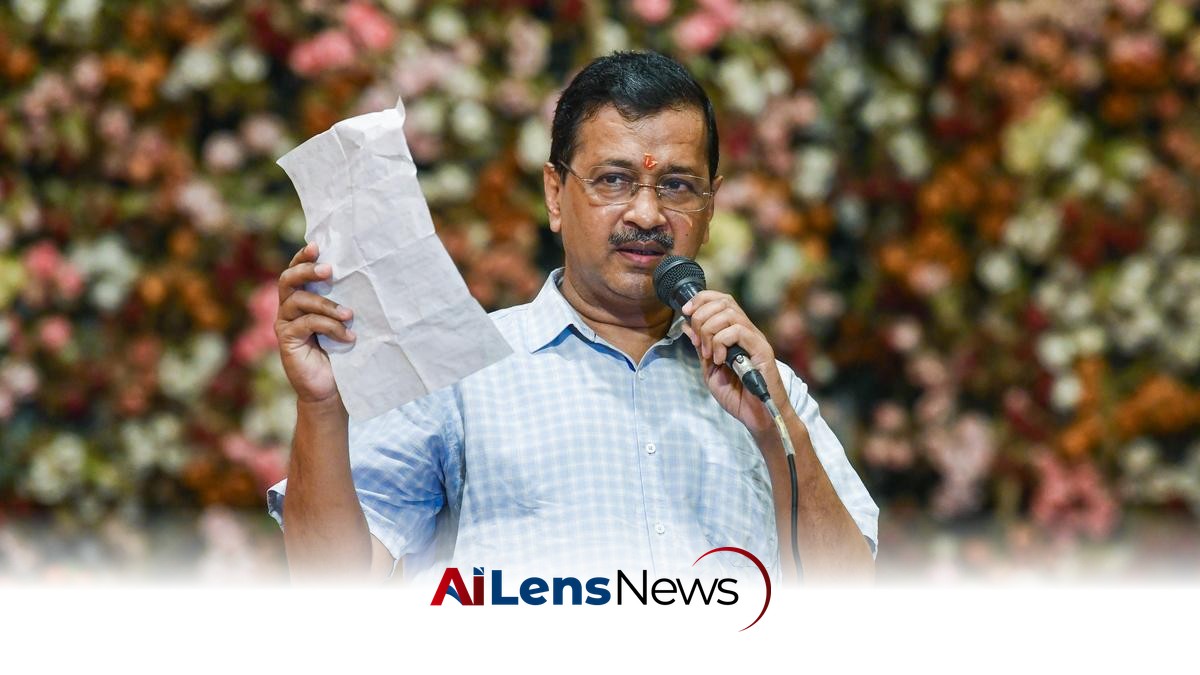


AAP leader Arvind Kejriwal requests a meeting with PM Modi to address E20 petrol issues, advocating for the availability of pure petrol options.
New Delhi, India Jul 14, 2026 ALN: AAP chief Arvind Kejriwal has recently taken a proactive step in addressing concerns regarding E20 petrol, a new fuel blend that contains 20% ethanol and 80% petrol. On Tuesday, he reached out to Prime Minister Narendra Modi to request a meeting where he could discuss these concerns in detail. Kejriwal's initiative comes at a time when the Indian government is pushing for a transition towards cleaner and more sustainable fuels, including biofuels such as ethanol, to reduce dependence on fossil fuels and lower carbon emissions.
The introduction of E20 petrol is part of India's broader strategy to promote renewable energy sources and improve energy security. Ethanol, which is derived from agricultural products like sugarcane, corn, and other biomass, is seen as a viable alternative to traditional petrol. However, the transition to E20 petrol has not been without its challenges, prompting Kejriwal's concerns.
In his letter to PM Modi, Kejriwal emphasized the need for consumers to have a choice between pure petrol and E20 petrol at fuel stations. He argued that providing options is crucial for ensuring customer satisfaction and addressing the varying needs of vehicle owners. "If someone wants pure petrol, they should get that option, and those wanting E20 should also have that choice," he stated, highlighting the importance of consumer autonomy in fuel selection.
One of the primary concerns raised by Kejriwal and echoed by the public is the perceived lower mileage offered by E20 petrol compared to regular petrol. Many consumers have reported that their vehicles consume more E20 petrol to achieve the same distance as they would with pure petrol, leading to frustration and financial implications. The AAP chief has pointed out that this discrepancy in mileage could deter consumers from opting for E20, ultimately undermining the government's efforts to promote the fuel.
In light of these concerns, Kejriwal has called for a reduction in the price of E20 petrol to make it more attractive to consumers. He noted that if the blended fuel is indeed providing lower mileage, then it should be priced accordingly to maintain consumer interest and encourage adoption. This suggestion aligns with broader economic principles, where pricing strategies are often adjusted in response to consumer behavior and market dynamics.
To further gauge public sentiment and gather data on consumer experiences with E20 petrol, Kejriwal announced that the AAP has initiated an online petition. This platform allows citizens to share their feedback, concerns, and experiences regarding the new fuel blend. Kejriwal has urged the public to participate actively in this petition, stating that all collected responses will be presented to the Prime Minister during their proposed meeting. This approach not only amplifies the voices of consumers but also underscores the importance of public feedback in shaping government policies and initiatives.
In addition to the online petition, Kejriwal has encouraged party workers and concerned citizens to engage directly with consumers at petrol pumps and service stations. By collecting firsthand accounts and sharing experiences through videos on social media, the AAP aims to create a comprehensive overview of public sentiment towards E20 petrol. This grassroots engagement is intended to foster a more informed dialogue about the implications of transitioning to ethanol-blended fuels.
As the Indian government continues to promote the use of ethanol as a means to achieve energy independence and environmental sustainability, the concerns raised by Kejriwal and the public are critical. The transition to E20 petrol is part of a larger vision outlined in the Biofuel Policy, which aims to achieve 20% ethanol blending in petrol by 2025. However, the success of such initiatives depends heavily on consumer acceptance and the practical performance of the fuels being offered.
Moreover, the adoption of E20 petrol has broader implications for the automotive industry, which may need to adapt to accommodate the new fuel standards. Automakers may need to ensure that their vehicles are compatible with E20 petrol, as not all vehicles are designed to handle higher ethanol content. This could necessitate changes in manufacturing processes, vehicle testing, and consumer education on the implications of using E20 fuel.
The push for E20 petrol is also linked to India's commitment to reducing greenhouse gas emissions and combating climate change. The government has set ambitious targets for renewable energy generation, aiming to increase the share of renewables in the energy mix significantly. Ethanol, being a renewable resource, plays a crucial role in this strategy. By promoting E20 petrol, the government hopes to not only reduce reliance on fossil fuels but also to stimulate the agricultural sector by creating a market for biofuels derived from crops.
However, the transition to E20 petrol is not without its critics. Environmentalists and some consumer advocacy groups have raised concerns about the potential impact of large-scale ethanol production on food prices and land use. The diversion of crops for fuel production could lead to increased food scarcity and higher prices, affecting the most vulnerable sections of society. These concerns highlight the need for a balanced approach that considers both energy needs and food security.
In conclusion, Kejriwal's outreach to Prime Minister Modi reflects a critical intersection of environmental policy, consumer rights, and economic considerations. As India navigates the complexities of transitioning to cleaner fuels, it is essential for government officials to remain attuned to public concerns and feedback. The outcome of Kejriwal's proposed meeting with the Prime Minister could have significant implications for the future of E20 petrol in India, potentially shaping policies that affect millions of consumers and the broader push towards sustainable energy solutions. The government’s response to these concerns will be closely watched, as it could set a precedent for how future energy policies are developed and implemented in the country.
To learn more about the latest developments in Politics, stay updated with our exclusive reports and analyses on AiLensNews.

