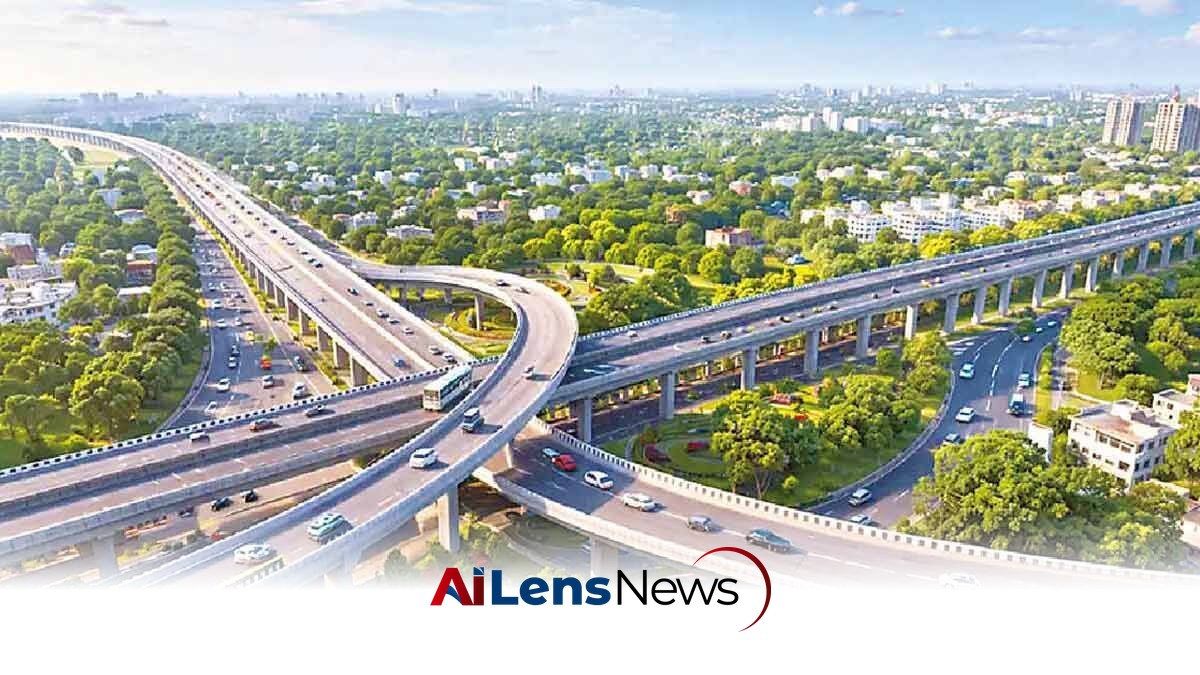


In a bid to alleviate traffic congestion in Bengaluru, the Karnataka government has initiated the tender process for nine new flyovers and elevated corridors.
Bengaluru, India May 25, 2026 ALN: Bengaluru: In a major attempt to address Bengaluru’s worsening traffic congestion, the Karnataka government has initiated the tender process for the construction of new flyovers and elevated corridors at nine major junctions across the city. This initiative is part of a broader strategy to improve urban mobility in one of India’s fastest-growing metropolises, where traffic congestion has become a significant issue impacting daily life, economic productivity, and the overall quality of life for residents.
The ambitious infrastructure project will be implemented by B-SMILE (Bengaluru Sustainable Mobility Initiative and Learning Ecosystem) and involves the construction of elevated corridors spanning nearly 29 kilometres. The estimated cost of the project is around Rs 3,100 crore. This investment reflects the government’s commitment to enhancing urban infrastructure and tackling the pressing issue of traffic congestion that has plagued Bengaluru for years.
The proposed flyovers are expected to significantly ease vehicular congestion and could help reduce traffic delays by nearly 50 percent in some of the city’s busiest stretches. Bengaluru, often referred to as the Silicon Valley of India, has witnessed a tremendous influx of people and vehicles over the past decade. With the population swelling to over 12 million, the city’s road infrastructure has struggled to keep pace, leading to daily traffic snarls that can extend for hours during peak times. The tender process for the projects was initiated earlier this month, marking a crucial step towards addressing these challenges.
However, the move has triggered criticism and debate from various quarters. A majority of the proposed flyovers fall under the Bengaluru South Lok Sabha constituency represented by Tejasvi Surya. Surya has publicly objected to the manner in which the projects were initiated, alleging that the government and officials failed to conduct public consultations with local residents, urban mobility experts, and elected representatives before proceeding with the plan. This lack of consultation has raised concerns about the inclusivity and transparency of the decision-making process, which is essential in a democratic setup.
Questions have also been raised regarding statutory approvals. Under existing regulations, major transport infrastructure projects in Bengaluru require prior clearance from the Bengaluru Metropolitan Land Transport Authority (BMLTA). Critics have alleged that the required approval has not yet been secured for these projects, which could lead to legal and procedural challenges down the line. The absence of necessary approvals raises significant concerns about the viability and legality of the proposed flyovers, as well as the potential for delays in project implementation.
Demand for Detailed Project Reports
Urban planners and stakeholders have cautioned that constructing flyovers without proper scientific traffic studies may merely shift congestion from one junction to another instead of offering a long-term solution. Many experts argue that flyovers can often create a false sense of relief, as they do not address the underlying issues of urban traffic management. Instead, they may lead to increased vehicle speeds at certain points while exacerbating congestion in others, ultimately failing to provide the intended relief.
A formal letter has reportedly been submitted to B-SMILE Director B.S. Prahlad demanding that the Detailed Project Reports (DPRs) for all nine flyover projects be made public immediately. The DPRs are critical documents that outline the scope, feasibility, and projected impact of the proposed infrastructure projects. Critics have stressed the need for transparency, expert review, and citizen participation before implementing large-scale transport projects in Bengaluru. Engaging with urban mobility experts and local communities is essential to ensure that the projects are not only effective but also aligned with the city’s long-term development goals.
The discussions surrounding the flyover projects highlight a broader trend in urban planning where the need for rapid infrastructure development often clashes with the principles of sustainable development and community engagement. Bengaluru has seen various infrastructure projects in the past that have faced backlash due to inadequate planning and lack of stakeholder involvement. These experiences have led to calls for a more integrated approach to urban mobility that considers public transport, pedestrian pathways, and cycling infrastructure alongside road expansions.
As Bengaluru continues to grow, the need for comprehensive urban transport strategies becomes increasingly critical. The city has been exploring various solutions, including the expansion of its metro rail network, improvements to bus services, and the promotion of non-motorized transport options. The success of these initiatives will depend on the ability of the government to balance immediate needs with long-term sustainability goals.
Moreover, the implications of the new flyover project extend beyond just traffic management. Urban infrastructure projects can have significant social and environmental impacts, influencing local communities and ecosystems. It is essential for the government to consider these factors in its planning and execution processes. Ensuring that the voices of local residents are heard and that their concerns are addressed will be vital in fostering trust and cooperation between the government and the communities it serves.
In conclusion, while the Karnataka government’s initiative to construct new flyovers in Bengaluru aims to alleviate traffic congestion, it is crucial that the process is carried out with transparency and public involvement. The success of such infrastructure projects will depend not only on their execution but also on the extent to which they are integrated into a broader vision for sustainable urban mobility that prioritizes the needs of all residents. As Bengaluru navigates the challenges of urbanization, the lessons learned from this project could serve as a blueprint for future infrastructure developments in the city and beyond.
To learn more about the latest developments in Local & Regional, stay updated with our exclusive reports and analyses on AiLensNews.

