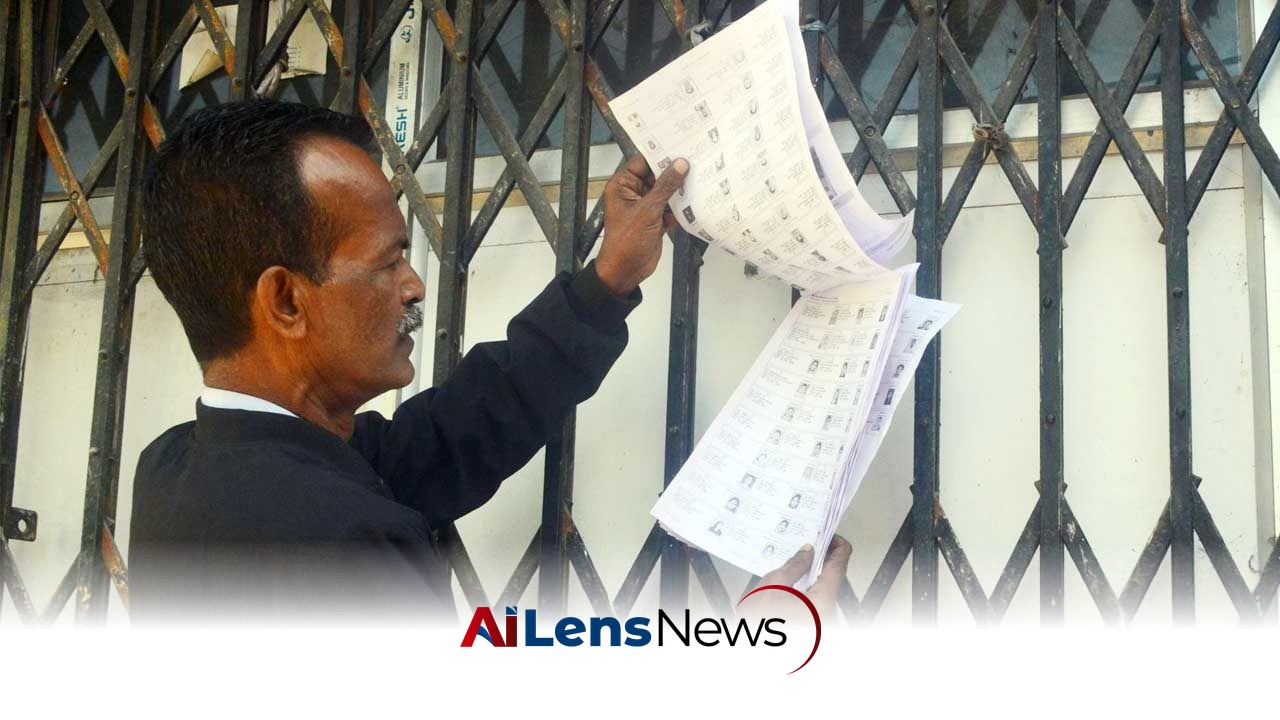


Karnataka's electoral roll revision has seen 95.10% of Enumeration Forms distributed and 36% digitized, with the process ongoing until July 29.
New Delhi, India Jul 15, 2026 ALN: Bengaluru: The Special Intensive Revision (SIR) of electoral rolls in Karnataka, a crucial component of the state's electoral process, has gained significant momentum. As per the latest data released by the Office of the Chief Electoral Officer (CEO), Karnataka, 95.10 per cent of Enumeration Forms (EFs) have been distributed to eligible voters, and nearly 36 per cent of these forms have been digitised. This extensive effort is part of a larger initiative to ensure that the electoral rolls are accurate, up-to-date, and reflective of the current demographic landscape.
The importance of maintaining accurate electoral rolls cannot be understated in a democratic society. Electoral rolls serve as the official list of eligible voters, and their accuracy is essential for the integrity of the electoral process. When electoral rolls are outdated or inaccurate, it can lead to disenfranchisement of eligible voters, manipulation of electoral outcomes, and a general lack of confidence in the democratic process. Hence, the Special Intensive Revision is not merely a bureaucratic exercise; it is a fundamental aspect of ensuring that democracy functions effectively in Karnataka.
As of June 16, Karnataka has a total of 5,54,32,314 electors registered on its electoral rolls. The distribution of 5,27,15,809 Enumeration Forms across the state represents a substantial outreach effort aimed at capturing the electoral base comprehensively. The house-to-house enumeration and digitisation exercise is being conducted from June 30 to July 29, 2026, marking a significant period of engagement between election officials and the electorate. This engagement is crucial, as it allows officials to verify the details of each elector and correct any inaccuracies in the rolls.
The distribution drive has achieved completion in 42,834 polling stations, which equates to 72.54 per cent of all polling stations in the state. Additionally, 8,216 polling stations, or 13.91 per cent of total polling stations, have reported over 90 per cent distribution of Enumeration Forms. This indicates a robust logistical effort by the election officials to ensure that every eligible voter has the opportunity to participate in the electoral process. Such extensive outreach is particularly important in a state like Karnataka, which has a diverse population spread across urban and rural areas, making it essential to reach all segments of society.
On the digitisation front, the initiative has seen 1,99,51,636 Enumeration Forms, or 35.99 per cent, digitised thus far. This digitisation process is critical as it enhances the efficiency and accessibility of the electoral rolls. Digitisation allows for easier updates and management of the electoral data, which can be crucial during election periods when timely access to accurate information is necessary. The completion of 100 per cent digitisation in 17 polling stations, along with 1,454 polling stations surpassing the 90 per cent mark, reflects a significant advancement in the technological integration of the electoral process.
The Election Commission has also introduced an online submission facility, which has garnered 2,21,814 Enumeration Forms, accounting for 0.40 per cent of the total electorate. This online facility is particularly important in a digital age, as it provides voters with a convenient alternative to the traditional methods of form submission, thereby potentially increasing participation rates. The move towards digital solutions aligns with global trends in electoral processes, where technology is increasingly being leveraged to enhance voter engagement and streamline administrative tasks.
During the ongoing verification process, election officials have identified 11,89,525 electors classified under the ASDDO (Absent, Shifted, Dead, Duplicate or Otherwise) category. This classification is crucial for maintaining the integrity of the electoral rolls. The exercise has identified 1,27,516 untraceable or absent electors, 6,79,906 permanently shifted electors, 3,19,822 deceased electors, 58,602 voters who are already enrolled elsewhere, and 3,679 electors under other categories. These findings highlight the necessity of the revision process, as they indicate the need for updates to ensure that the electoral rolls accurately reflect the current population of eligible voters. This identification process not only helps in cleaning up the rolls but also aids in ensuring that resources are allocated efficiently during elections.
The Special Intensive Revision serves a fundamental purpose in the democratic process of Karnataka. By verifying the details of every elector through a door-to-door exercise, the initiative aims to update and purify the electoral rolls. This is essential for ensuring fair and transparent elections, as accurate electoral rolls are the bedrock of a functioning democracy. The ability for voters to submit their Enumeration Forms both offline through Booth Level Officers (BLOs) and online enhances accessibility and encourages wider participation. This dual approach caters to different segments of the population, including those who may be less familiar with technology and prefer traditional methods of engagement.
The implications of this revision process extend beyond the immediate logistics of form distribution and digitisation. A well-maintained electoral roll is vital for the integrity of elections, as it helps prevent electoral fraud and ensures that every eligible voter has the opportunity to vote. This is particularly important in a state like Karnataka, which has a diverse population and a rich political history. The accuracy of electoral rolls can influence electoral outcomes, thereby impacting governance and policy-making in the state. Inaccurate electoral rolls can lead to situations where individuals who are no longer eligible to vote are still on the rolls, potentially skewing election results and undermining public trust in the electoral system.
Furthermore, the Special Intensive Revision aligns with broader national efforts to enhance electoral processes across India. The Election Commission of India has been advocating for the use of technology in elections, and the digitisation of electoral rolls is a step towards modernising the electoral framework. This initiative not only aims to streamline the electoral process but also seeks to build public confidence in the electoral system by ensuring transparency and accountability. The integration of technology in the electoral process is also seen as a way to engage younger voters, who are more accustomed to digital interactions.
As the deadline for the completion of this exercise approaches on July 29, 2026, the focus will likely shift towards ensuring that all identified discrepancies are addressed and that the final electoral rolls are published in a timely manner. The success of this initiative will depend on the continued cooperation between election officials, local administration, and the electorate. Public awareness campaigns may also play a crucial role in encouraging participation and ensuring that voters understand the importance of the electoral roll revision process. Such campaigns can help demystify the process and encourage individuals to take an active role in ensuring their eligibility to vote.
In conclusion, the Special Intensive Revision of electoral rolls in Karnataka represents a significant step towards ensuring a fair and transparent electoral process. With a high percentage of Enumeration Forms distributed and digitised, the initiative reflects a commitment to enhancing the integrity of the electoral system. As the exercise progresses, it will be essential to maintain momentum and address any challenges that arise, ensuring that every eligible voter is accounted for and has the opportunity to participate in the democratic process. The ongoing efforts to revise the electoral rolls not only strengthen the democratic framework in Karnataka but also serve as a model for other states in India looking to enhance their electoral processes and ensure the participation of all eligible voters.
To learn more about the latest developments in Politics, stay updated with our exclusive reports and analyses on AiLensNews.

