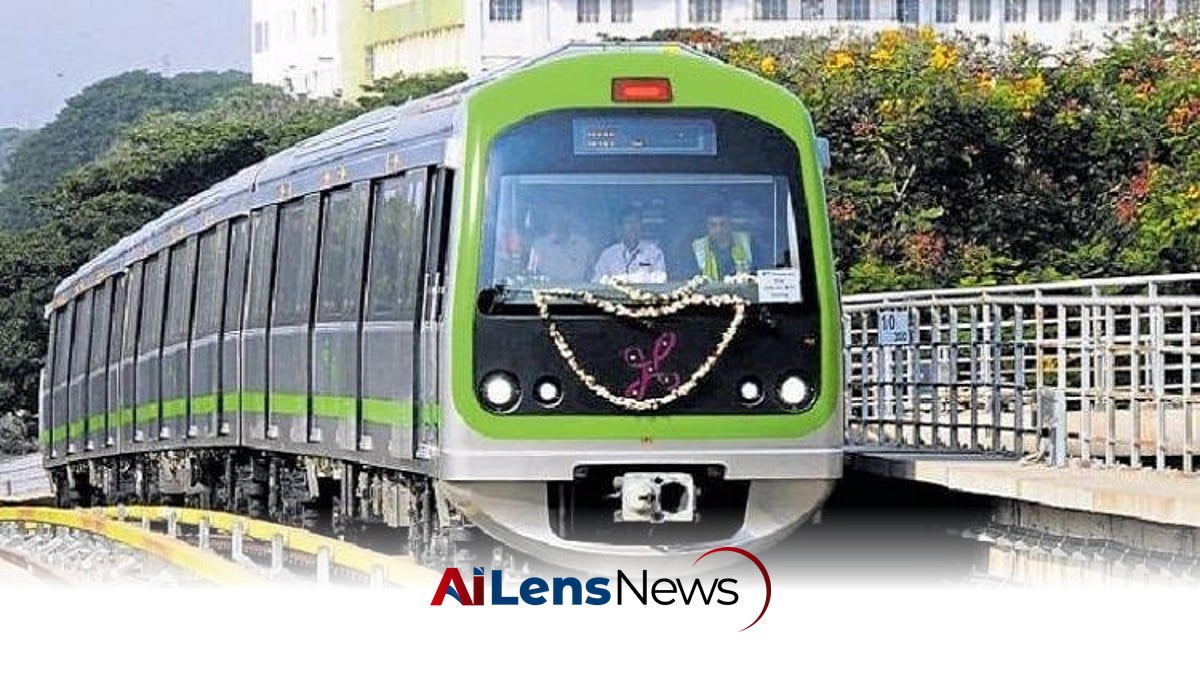


Bengaluru Metro has revised penalties, imposing fines up to Rs 2500 for disruptive behaviors like loud music and shouting, effective from July 19.
Bengaluru, India Jul 19, 2026 ALN: Bengaluru Metro has introduced a significant increase in fines for disruptive behaviors, with a new maximum penalty of Rs 2,500 for passengers who engage in activities such as playing loud music or shouting during their commute. This measure is part of a broader overhaul of penalties under the Metro Railways (Operation and Maintenance) Act, 2002, reflecting a growing focus on maintaining a conducive travel environment for all passengers. The changes come amid rising concerns over the quality of public transport experiences in urban areas, where overcrowding and disruptive behaviors have become increasingly common.
The revised penalties took effect on July 19, following amendments introduced by the Jan Vishwas (Amendment of Provisions) Act, 2026. This legislative change is not limited to Bengaluru but applies to metro rail systems across the country, aiming to standardize regulations and enhance the travel experience nationwide. The Jan Vishwas initiative seeks to replace imprisonment for various minor offenses under the Metro Railways Act with monetary penalties, thereby streamlining the enforcement process and reducing the burden on the judicial system.
Under the new regulations, the penalty for drunkenness, creating a nuisance, indecent behavior, or carrying offensive material has been raised from a mere Rs 500 to Rs 2,500. This increase signifies a more stringent approach to maintaining decorum and safety within metro systems, especially as urban populations continue to grow and public transport systems face greater usage. The move is expected to deter disruptive behaviors that can negatively impact the commuting experience for others.
In addition to these changes, the penalties for unauthorized displays of posters, banners, or writings that disrupt metro operations have been increased to a maximum of Rs 10,000. This adjustment replaces previous punishments that included imprisonment, reflecting a shift towards financial penalties as a more practical deterrent. The rationale behind this is to ensure that metro operations remain smooth and uninterrupted, which is vital for the efficiency of public transport services.
Other significant changes include heightened fines for unauthorized entry into restricted areas, which can now reach up to Rs 5,000. Walking on metro tracks, a behavior that poses serious safety risks, is now punishable with a fine of up to Rs 20,000. These measures underscore the metro authorities' commitment to ensuring passenger safety and operational integrity. The increased fines are intended not only to penalize offenders but also to serve as a deterrent against such dangerous behaviors.
Ticket-related violations have also seen a substantial increase in penalties. Altering or counterfeiting metro tickets can now attract fines of up to Rs 20,000, while selling or transferring tickets illegally is similarly punishable. Furthermore, using an altered ticket can result in a fine of up to Rs 5,000, with other ticket-related violations potentially incurring penalties of up to Rs 25,000. These changes are aimed at curbing fraudulent activities that undermine the revenue and operational sustainability of metro services.
Passengers who engage in behaviors that cause inconvenience to others, such as playing music on speaker mode, shouting, using abusive language, spitting, sitting on the floor, or damaging metro property, may also face fines of up to Rs 2,500. These regulations reflect a growing recognition of the need for mutual respect among passengers in shared public spaces, where individual actions can significantly affect the comfort and safety of others.
The amendments are part of a larger trend in which governments are increasingly looking to enhance public transport systems through stricter regulations and penalties. The emphasis on monetary fines rather than imprisonment for minor offenses is indicative of a broader shift in public policy, aimed at reducing the strain on the legal system while still promoting compliance with public order. This approach is expected to resonate well with urban commuters, who often seek a more pleasant and orderly travel experience.
Passengers who believe they have been unfairly penalized under these new regulations have the option to file an appeal before a higher-ranking officer within 30 days of the penalty being imposed. This provision aims to ensure that there is a mechanism for accountability and fairness in the enforcement of the new rules, allowing for grievances to be addressed appropriately.
Overall, the increase in fines for disruptive behavior on the Bengaluru Metro is a response to the evolving dynamics of urban transportation and the need for effective management of public spaces. As cities continue to grow and public transport systems become more integral to daily life, the implementation of these new regulations highlights the importance of maintaining order and respect among passengers. The implications of these changes may extend beyond Bengaluru, potentially influencing how other cities manage similar challenges in their public transport systems.
As urban centers around the world grapple with the challenges of increased population density, the need for effective public transport solutions has never been more critical. Bengaluru, known as the Silicon Valley of India, has witnessed a rapid influx of people, leading to overcrowded public transport systems. The metro, which serves as a vital artery for commuters, has become a focal point for addressing these issues. The introduction of stricter fines is a proactive response to ensure that the metro remains a safe and pleasant mode of transport.
Public transport systems are not just about moving people from point A to point B; they are also about creating a shared environment where respect and consideration for others are paramount. Disruptive behaviors can significantly detract from the overall experience of commuting, leading to frustration among passengers. By increasing fines for such behaviors, Bengaluru Metro aims to cultivate a culture of respect and responsibility among its users.
Furthermore, this regulatory change aligns with global trends where cities are adopting stricter measures to regulate behavior on public transport. Cities like London, New York, and Tokyo have long implemented fines for disruptive behaviors to maintain order and comfort for commuters. The shift towards financial penalties in Bengaluru reflects an understanding that monetary fines can be a more effective deterrent compared to imprisonment for minor offenses. This approach not only addresses the immediate issue of disruptive behavior but also contributes to a broader strategy of improving public transport systems across the country.
It is essential to recognize that while the increase in fines may seem harsh, it is part of a larger framework aimed at enhancing the public transport experience. These measures are designed to protect the rights of all passengers and ensure that everyone can travel safely and comfortably. The penalties are structured to discourage behaviors that can lead to serious consequences, such as accidents or conflicts among passengers.
In addition to the financial implications of these changes, there is also a significant educational component involved. The Bengaluru Metro authorities are likely to engage in public awareness campaigns to inform passengers about the new regulations and the importance of adhering to them. Educating commuters about acceptable behaviors and the rationale behind these fines will be crucial for fostering a cooperative environment.
As Bengaluru Metro implements these new regulations, it will be vital to monitor their effectiveness in achieving the desired outcomes. Feedback from passengers, along with data on incidents of disruptive behavior, will provide insights into whether these measures are successfully enhancing the commuting experience. The ultimate goal is to create a metro system that is not only efficient but also respectful and enjoyable for all users.
In conclusion, the increase in fines for disruptive behavior on the Bengaluru Metro represents a significant step towards improving public transport in an increasingly urbanized world. By addressing the challenges posed by disruptive behaviors and fostering a culture of respect among passengers, Bengaluru Metro is setting a precedent that other cities may follow as they navigate similar issues in their public transport systems. The implications of these changes could lead to a more harmonious commuting environment, benefiting all who rely on public transport for their daily travels.
To learn more about the latest developments in Local & Regional, stay updated with our exclusive reports and analyses on AiLensNews.

