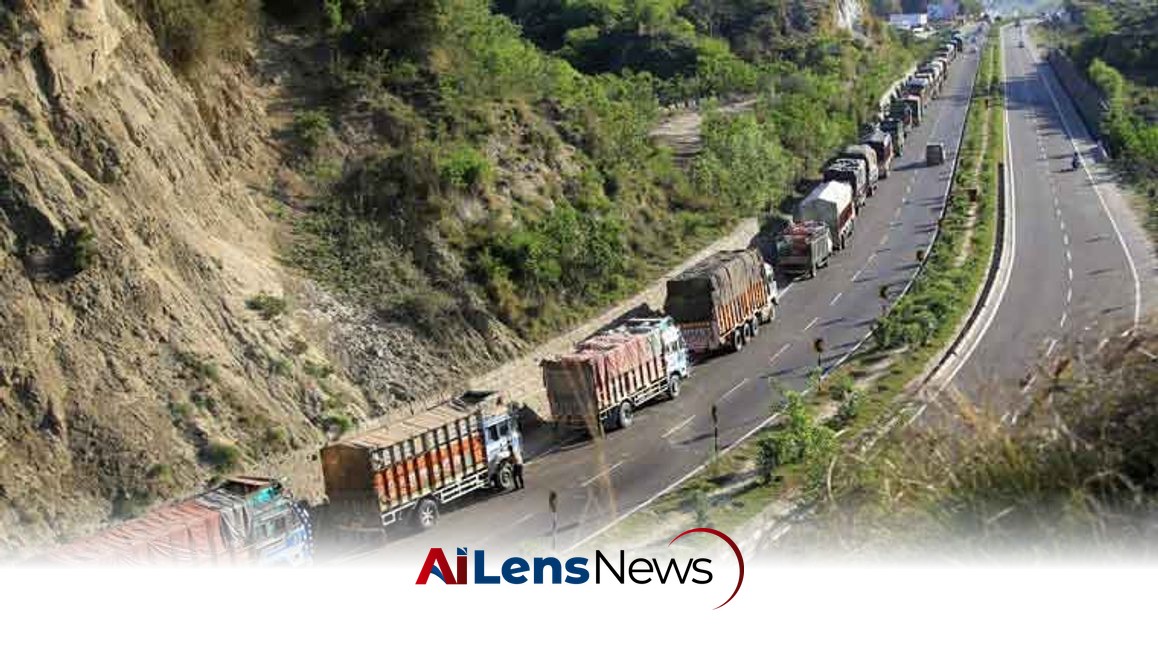


Heavy rainfall causes landslides, blocking NH-44; alternate routes open.
New Delhi, India Jul 23, 2026 ALN: The Jammu-Srinagar National Highway (NH-44), a vital arterial road connecting the Jammu region with the Kashmir Valley, remains closed for vehicular movement due to landslides and shooting stones at several locations, as reported by the J&K Traffic Police in an update at 7 am. This closure highlights the ongoing challenges posed by the region's geography and climate, which can often lead to dangerous conditions on the roads.
The Jammu-Srinagar National Highway is not just a road; it is a lifeline for the people of Jammu and Kashmir. It facilitates the movement of goods, services, and people between the two regions. The highway is particularly crucial for the transportation of essential supplies, including food, medical supplies, and fuel, to the Kashmir Valley. The frequent disruptions due to landslides, especially during the monsoon season, raise significant concerns about accessibility and safety for residents and travelers alike.
In addition to the closure of NH-44, the Doda-Kishtwar Road is also closed, further complicating travel in the region. However, the Srinagar-Sonamarg-Gumri (SSG) Road and Mughal Road remain open for traffic, providing some alternative routes for commuters. The Mughal Road, in particular, is historically significant and serves as an alternative route to connect the Kashmir Valley with the Jammu region, especially during times when the main highway is blocked.
The Traffic Police have indicated that continuous heavy rainfall is being experienced along all routes, which contributes to the instability of the terrain and increases the likelihood of landslides. Such weather conditions are typical during the monsoon season in the region, which generally spans from June to September. The heavy rains can saturate the soil, making it more susceptible to landslides, especially in hilly and mountainous areas like those found in Jammu and Kashmir.
In light of these conditions, the Traffic Police have advised commuters to avoid traveling until the weather improves and the roads are declared safe and clear for traffic. This precautionary measure is vital not only for the safety of individuals but also for the efficiency of rescue and maintenance operations that may need to be conducted in the aftermath of such weather events. Landslides can cause significant damage to infrastructure, and the time needed to clear roads and restore normalcy can vary depending on the severity of the incidents.
Commuters have been advised to check the latest road status through the Traffic Police’s X handle, Facebook page, and Traffic Control Units. This digital communication is essential in keeping the public informed about real-time road conditions, enabling travelers to make informed decisions regarding their journeys. The reliance on social media and digital platforms for traffic updates reflects a broader trend in emergency management, where timely information can significantly impact public safety and response efforts.
The implications of such closures extend beyond immediate travel disruptions. The economic impact can be substantial, especially for local businesses that rely on the movement of goods. Delays in transportation can lead to shortages of essential items, price increases, and a general slowdown in economic activity within the region. Additionally, the psychological toll on residents, who may feel isolated or cut off from essential services, cannot be overlooked. It is crucial for local authorities to have contingency plans in place to mitigate these impacts during the monsoon season.
Historically, the Jammu-Srinagar National Highway has faced numerous challenges, including landslides, heavy snowfall in winter, and occasional conflicts that can disrupt travel. The government has undertaken various initiatives to improve road safety and infrastructure, including the construction of tunnels and the enhancement of drainage systems to better manage heavy rainfall. However, the unpredictable nature of weather patterns and the rugged terrain continue to pose significant challenges.
As the situation develops, local authorities will likely continue to monitor weather conditions closely and assess road safety. The cooperation of residents and travelers in adhering to travel advisories and updates from the Traffic Police will be essential in ensuring safety during this period of inclement weather. The community's resilience and adaptability will be tested as they navigate the challenges posed by nature while striving to maintain their daily lives and economic activities.
In conclusion, the closure of the Jammu-Srinagar National Highway due to landslides serves as a reminder of the region's vulnerability to natural disasters, particularly during the monsoon season. It underscores the importance of infrastructure resilience, timely communication, and community preparedness in mitigating the impacts of such events. As the situation evolves, stakeholders will need to remain vigilant and proactive in addressing the challenges posed by the elements, ensuring that the lifeline connecting Jammu and Kashmir remains open and accessible for all.
The Jammu-Srinagar National Highway, stretching over 300 kilometers, is not only a critical route for transportation but also a key economic artery for the region. The highway is often the only accessible route for the movement of goods, especially during adverse weather conditions when alternative routes may also be affected. The importance of this highway is underscored by its role in maintaining supply chains for essential commodities, which are vital for the sustenance of the local population.
During the monsoon season, the frequency and intensity of landslides increase due to the heavy rainfall that the region experiences. The terrain of Jammu and Kashmir is characterized by steep slopes and loose soil, making it particularly prone to landslides. The government has implemented various measures to improve the resilience of the highway, including regular maintenance, installation of warning signs, and the construction of retaining walls. Despite these efforts, the natural landscape continues to pose significant challenges, leading to recurring road closures.
In addition to the immediate impact on transportation, the closure of the Jammu-Srinagar National Highway has broader implications for tourism, which is a significant contributor to the local economy. The region attracts thousands of tourists annually, drawn by its natural beauty and cultural heritage. Disruptions in travel can deter tourists, resulting in financial losses for local businesses that rely on tourism for their livelihood. This economic ripple effect can be felt across various sectors, including hospitality, retail, and transportation services.
Moreover, the psychological impact on the local population should not be underestimated. Prolonged isolation due to road closures can lead to feelings of anxiety and uncertainty among residents. Access to healthcare and emergency services is particularly critical during such times, and any delays can have serious consequences. The local government and community organizations are often mobilized to provide support and assistance to those in need, but the challenges of accessibility can complicate these efforts.
Looking ahead, it is essential for local authorities to continue investing in infrastructure improvements and disaster preparedness initiatives. This includes not only enhancing road safety measures but also developing comprehensive emergency response plans that can be activated in the event of natural disasters. Community engagement and education are also crucial in fostering a culture of preparedness among residents, enabling them to respond effectively to emergencies.
In summary, the closure of the Jammu-Srinagar National Highway due to landslides is a complex issue that reflects the interplay between natural geography, climate patterns, and human activity. The situation necessitates ongoing vigilance and proactive measures to ensure the safety and well-being of the region's residents. As the monsoon season progresses, the importance of resilience, adaptability, and community cooperation cannot be overstated in navigating the challenges posed by nature.
To learn more about the latest developments in Crime & Law, stay updated with our exclusive reports and analyses on AiLensNews.

