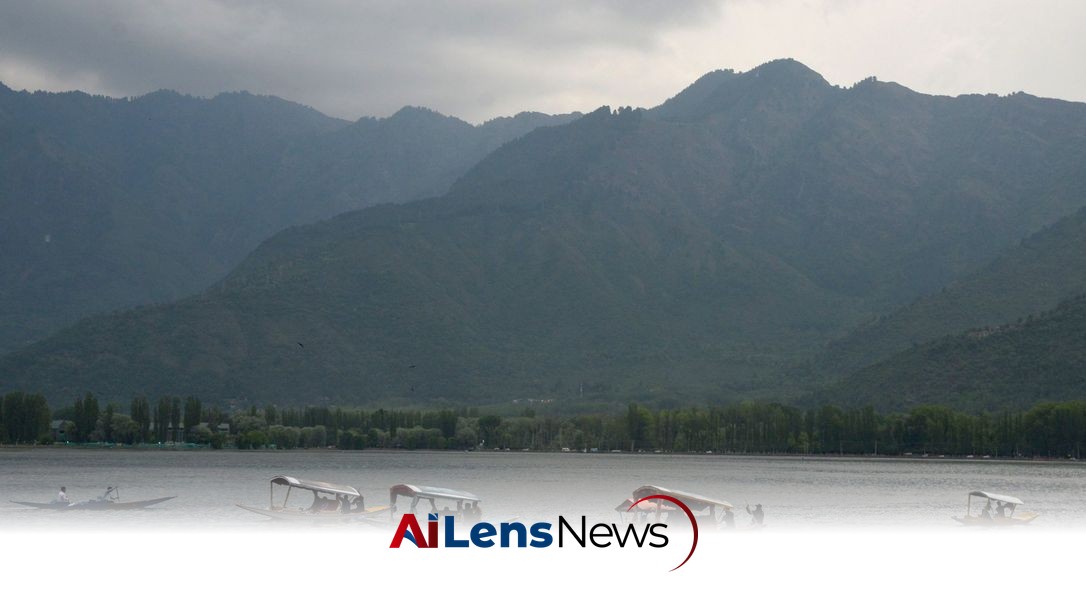


The Meteorological Department forecasts a dry spell in Jammu and Kashmir until July 27, followed by a potential wet spell starting July 28, raising concerns about landslides and flash floods.
Srinagar, India Jul 24, 2026 ALN: Rainfall across Jammu and Kashmir is expected to ease after Friday afternoon, with no major or prolonged rain likely until July 27. However, a fresh wet spell is expected to begin from July 28, bringing the possibility of heavy showers, landslides, mudslides, and flash floods, according to Meteorological Department (MeT) Director Mukhtar Ahmad.
Ahmad stated that the previous weather forecast remained valid until the afternoon of July 23, during which continuous rainfall was recorded across Jammu and Kashmir. The region has been experiencing a series of weather systems that have led to significant precipitation, impacting daily life and natural landscapes.
"Continuous rainfall has been observed across Jammu and Kashmir, while South Kashmir and the upper catchment areas have also been witnessing heavy rainfall over the past two to three days. At present, rainfall resumed again this morning," he explained. The continuous precipitation has raised concerns among residents, particularly in areas known for their susceptibility to flooding and landslides.
The ongoing rainfall is primarily affecting the Chenab Valley, adjoining South Kashmir, and districts along the Pir Panjal range. These areas are characterized by their hilly terrain and river systems, which can become overwhelmed by excessive rainfall. Ahmad indicated that the rainfall is expected to continue until Friday afternoon before gradually subsiding, providing a temporary respite to the affected regions.
"There are no chances of any major or continuous rainfall till July 27. However, from July 28 onwards, another wet spell is likely, which may impact the Jammu division and adjoining areas," Ahmad noted. The prediction of another weather system raises alarms for local authorities and residents, who are still recovering from the effects of previous rainfall.
According to Ahmad, the incoming weather system is expected to affect the Jammu plains, the Chenab Valley, and the Pir Panjal range. Parts of the Kashmir Valley may also receive light to moderate rainfall, with isolated intense showers. This variability in precipitation can lead to unpredictable conditions, complicating the response efforts of local emergency services.
He cautioned that the fresh spell could trigger landslides, shooting stones, and mudslides, adding that flash floods in vulnerable areas also cannot be ruled out. The topography of Jammu and Kashmir, with its steep slopes and river valleys, makes it particularly vulnerable to such natural disasters, especially during the monsoon season.
Ahmad emphasized that water levels in rivers and streams had risen significantly due to recent rainfall but were now gradually receding, according to the latest data from the Irrigation and Flood Control Department. This fluctuation in water levels poses risks, as sudden changes can lead to flash floods, endangering lives and property.
In light of these developments, Ahmad advised people to avoid unnecessary movement near rivers, streams, and other water bodies where water levels remain high. The safety of residents and travelers is paramount, especially in light of the recent weather patterns that have led to dangerous conditions.
"Travellers, transporters, the general public, and tourists should avoid travelling to hilly areas for now because the weather remains bad and the risk of landslides, shooting stones, and mudslides is quite high," he cautioned. Such advisories are crucial in preventing accidents and ensuring public safety, particularly in regions where infrastructure may be compromised by weather conditions.
Ahmad also warned that prolonged rainfall had saturated the soil, increasing the risk of mud houses collapsing in vulnerable areas. The stability of structures in hilly terrains can be severely impacted by excessive moisture, leading to potential disasters for families living in these homes.
"The soil has become heavily saturated, increasing the chances of mud houses collapsing in the coming days," he said, urging people to strictly follow advisories issued by the administration and the Meteorological Department to prevent accidents. The call for adherence to safety measures reflects the ongoing challenges faced by communities in the region, which must navigate the dual threats of natural beauty and natural disasters.
Historically, the region of Jammu and Kashmir has been prone to severe weather events, particularly during the monsoon season, which lasts from June to September. The interplay of geographical features, including mountains, valleys, and river systems, contributes to the complexity of weather patterns experienced here. The MeT Department plays a crucial role in providing timely forecasts and warnings that can help mitigate the impact of such weather events.
In recent years, the frequency and intensity of weather-related incidents, including floods and landslides, have raised concerns among environmental scientists and local authorities. Climate change is believed to be a contributing factor, leading to more erratic weather patterns and increased rainfall in some regions while causing droughts in others. This evolving climate scenario necessitates a proactive approach to disaster management, infrastructure development, and community preparedness.
As the monsoon season progresses, the importance of community awareness and preparedness cannot be overstated. Local governments and non-governmental organizations often engage in outreach efforts to educate residents about safety protocols during heavy rainfall and flooding. Such initiatives are vital for building resilience in communities that face the dual threats of natural disasters and the challenges posed by changing climatic conditions.
In conclusion, while the current dry spell may provide temporary relief, the forecast for renewed rainfall raises significant concerns for the residents of Jammu and Kashmir. The potential for landslides, flash floods, and structural collapses underscores the need for vigilance and adherence to safety advisories. As the region braces for the upcoming wet spell, the collective efforts of government agencies, local communities, and individuals will be essential in navigating the challenges posed by extreme weather.
To learn more about the latest developments in Weather & Emergency, stay updated with our exclusive reports and analyses on AiLensNews.

