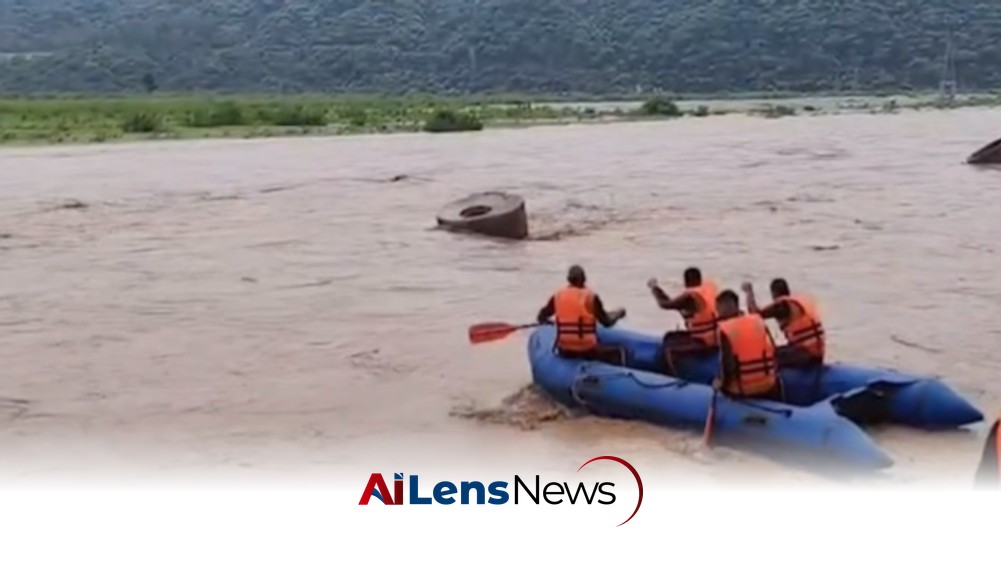


A joint operation by Jammu Police and the NDRF led to the successful rescue of youths stranded in the Tawi River, ensuring their safety amid adverse weather conditions.
Srinagar, India Jul 19, 2026 ALN: Jammu (Jammu and Kashmir) — Jammu Police and the National Disaster Response Force (NDRF) conducted a successful rescue operation on Sunday, saving a group of youths stranded in the Tawi River. The operation was initiated after local residents alerted the authorities about the situation. This incident underscores the importance of community vigilance and the swift response of local authorities in emergency situations.
According to police reports, the rescue team managed to evacuate all individuals without any casualties. Police officer Viktram Bhau, who participated in the operation, stated, "Three people were rescued after residents alerted the authorities. Police and SDRF teams carried out a two-to-three-hour rescue operation and brought them back." The joint effort between the police and disaster response teams was crucial in ensuring the safety of the stranded youths. The successful outcome of this operation is a testament to the training and preparedness of both the police and the NDRF, which is tasked with responding to various disasters across the country.
The Tawi River, which flows through the Jammu region, is known for its scenic beauty but can also pose significant risks, particularly during the monsoon season. The river's water levels can rise rapidly due to heavy rainfall, leading to dangerous currents and flash floods. This incident highlights the potential dangers that local residents face during the monsoon, emphasizing the need for caution and awareness when engaging in activities near the river.
In light of the ongoing monsoon conditions, which pose risks of heavy rainfall, flash floods, and landslides, the Sub-Divisional Administration of Katra has established a Control Room for Monsoon Disaster Management. This initiative aims to ensure prompt responses and effective coordination among various departments. The establishment of the Control Room is a proactive measure, reflecting the administration's commitment to disaster preparedness and community safety.
As per the order issued by Sub-Divisional Magistrate (SDM) Katra, Piyush Dhotra (JKAS), the Control Room will operate under the supervision of Tehsildar Katra, Jatinder Singh. It will work closely with police, public works, health, power, Jal Shakti, municipal authorities, and other relevant departments. This multi-departmental approach is designed to facilitate a comprehensive response to any emergencies that may arise as a result of severe weather conditions.
The Control Room is tasked with maintaining a continuous watch over the monsoon situation. It will receive and document reports concerning heavy rainfall, flash floods, landslides, property damage, and disruptions to roads, electricity, and drinking water supply. Timely communication of situation reports to higher authorities will also be ensured for necessary action. This systematic monitoring is crucial for minimizing the impact of natural disasters on the local population and infrastructure.
Residents and stakeholders can reach the Katra Monsoon Control Room at 01991-295681 for any rain-related emergencies or to report incidents requiring immediate attention. The availability of such a dedicated contact line is essential for fostering community involvement in disaster management, allowing residents to play an active role in ensuring their own safety and that of their neighbors.
Additionally, the Shri Mata Vaishno Devi Yatra has been temporarily suspended due to the adverse weather conditions in Katra and the Trikuta Hills. This precautionary measure aims to safeguard the devotees amid the ongoing inclement weather. The Yatra, which attracts millions of pilgrims each year, is a significant event in the region, and the decision to suspend it reflects the administration's prioritization of safety over religious observance during hazardous conditions.
The suspension of the Yatra not only affects the pilgrims but also has broader implications for the local economy, which heavily relies on tourism. Many local businesses, including shops, hotels, and transport services, depend on the influx of pilgrims for their livelihood. Therefore, while the decision is necessary for safety, it also highlights the delicate balance between public safety and economic activity in regions dependent on tourism.
As the monsoon season progresses, it is essential for local authorities and residents to remain vigilant. The risk of flash floods and landslides is heightened during this period, and preparedness is key to minimizing potential disasters. Public awareness campaigns can play a vital role in educating the community about the dangers posed by heavy rains and the importance of adhering to safety protocols.
The Tawi River, while a source of beauty and recreation, can become treacherous under certain conditions. The rapid changes in water levels often catch individuals off guard, particularly those who may not be familiar with the river's behavior during monsoon rains. The incident involving the stranded youths serves as a stark reminder of the unpredictable nature of natural water bodies during extreme weather events. Local authorities have previously issued warnings about the dangers of swimming or engaging in other recreational activities in the river during the monsoon season, but incidents like this suggest that more education and outreach may be necessary to ensure public safety.
In recognition of the potential hazards associated with the monsoon season, the Jammu and Kashmir government has been working on improving its disaster preparedness and response capabilities. This includes investing in better infrastructure, such as flood control systems and early warning mechanisms, as well as conducting drills and training exercises for emergency responders. The integration of technology into disaster management, such as real-time monitoring systems and mobile applications for alerting residents, is also being explored to enhance the effectiveness of response efforts.
Furthermore, community engagement is critical to disaster management. Local residents often have valuable knowledge about their environment and can play a key role in identifying risks and responding effectively to emergencies. Initiatives that encourage community participation in disaster preparedness, such as workshops and training sessions, can empower individuals to take proactive measures to protect themselves and their families. This community-centric approach can significantly enhance the resilience of local populations in the face of natural disasters.
In conclusion, the successful rescue operation by Jammu Police and NDRF serves as a reminder of the importance of community awareness, timely intervention, and the need for robust disaster management systems. As the region navigates through the challenges posed by the monsoon season, ongoing cooperation between authorities and residents will be critical in ensuring safety and resilience against natural disasters. The proactive measures being implemented, such as the establishment of the Monsoon Control Room, reflect a commitment to safeguarding the community and minimizing the risks associated with adverse weather conditions. The balance between safety and economic activity, particularly in relation to tourism, will continue to be a crucial consideration for local authorities as they navigate the complexities of disaster management in a region prone to natural calamities.
To learn more about the latest developments in Local & Regional, stay updated with our exclusive reports and analyses on AiLensNews.

