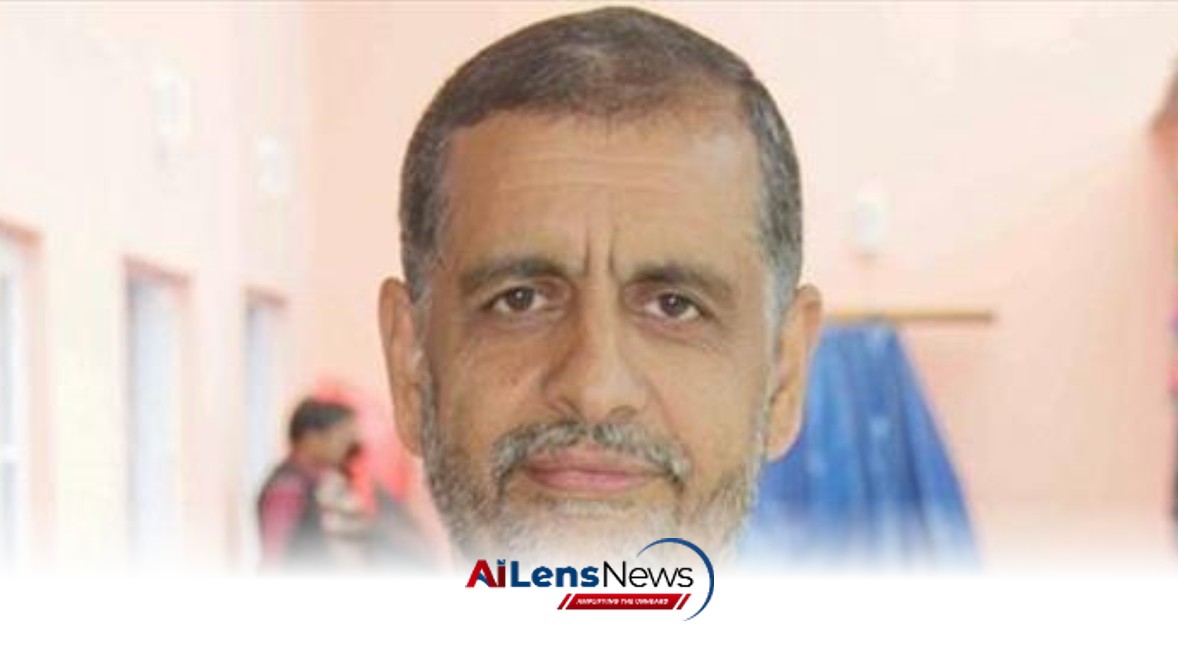



The Union Public Service Commission has approved the induction of 14 Jammu and Kashmir Administrative Service officers into the Indian Administrative Service.
Srinagar, India Aug 22, 2026 ALN: Fourteen serving officers of the Jammu and Kashmir Administrative Service (JKAS) have recently received approval for their induction into the Indian Administrative Service (IAS), a significant development that reflects ongoing administrative reforms in the region. This decision was made during a two-day meeting held by the Union Public Service Commission (UPSC) in New Delhi on April 23 and 24, 2026. The UPSC is responsible for conducting examinations and selecting candidates for various civil services in India, including the prestigious IAS, which is considered one of the most sought-after careers in the country.
The induction of these officers into the IAS marks an important milestone not only for the individuals involved but also for the governance landscape of Jammu and Kashmir. The IAS is an All India Service that plays a crucial role in the administration of the country, with officers often holding key positions in both the state and central government. The inclusion of JKAS officers into this cadre is seen as a step towards enhancing the administrative capabilities of the region, which has faced numerous challenges over the years.
As part of the process, the General Administration Department (GAD) of the J&K administration has received communication from the Union Ministry of Home Affairs (MHA) and the Department of Personnel and Training (DoPT). These communications indicate that the officers must provide their consent for induction into the IAS. This consent is necessary as some officers may opt out of joining the All India Service for various personal or professional reasons.
According to official sources, the communication elaborates that the 14 JKAS officers have been cleared for their induction into the IAS, and their consent is required to proceed with the formalities. Once the officers convey their consent, the MHA and DoPT will issue a formal notification regarding their induction and the respective year of allotment. This procedural step is essential, as it ensures that the induction process adheres to the established guidelines and protocols of the Indian civil services.
The officers cleared for induction include a diverse group of individuals, each with their own unique contributions to the administration of Jammu and Kashmir. Notable names among those cleared are Muneer-ul-Islam, Babila Rakwal, Shabnam Kamili, Rachna Sharma, Leena Padha, Rajinder Singh Tara, Tariq Hussain Ganai, Sajjad Hussain Ganai, Anoo Malhotra, Nitu Gupta, Prediman Krishen Bhat, Bhawani Rakwal, Smita Sethi, and Anuradha Gupta. Each of these officers has demonstrated a commitment to public service and has played significant roles in their respective capacities within the JKAS.
The decision to carry forward the remaining nine vacancies pertaining to retired JKAS officers into the following year indicates the ongoing efforts to streamline the administrative framework in Jammu and Kashmir. This move can be interpreted as a part of broader reforms aimed at ensuring that the civil service in the region is equipped with capable and well-trained personnel who can effectively address the unique challenges faced by the area.
The implications of this induction extend beyond individual careers; they resonate at the level of governance and public administration in Jammu and Kashmir. The IAS officers are often tasked with implementing government policies and programs, managing public resources, and addressing the needs of the local population. With the induction of these officers, the hope is that there will be an infusion of fresh perspectives and skills that can contribute to more effective governance.
Moreover, the induction of JKAS officers into the IAS may also inspire other civil servants in the region to aspire for higher positions within the administrative framework. It sets a precedent that can encourage professional growth and development within the local administration. This could lead to a more motivated workforce that is committed to serving the public and working towards the betterment of society.
In conclusion, the clearance of fourteen JKAS officers for induction into the IAS represents a pivotal moment for both the officers and the administrative landscape of Jammu and Kashmir. As the process moves forward, the focus will be on the responses of the officers regarding their consent, which will ultimately determine the next steps in their career trajectories and the future of civil service in the region. The successful induction of these officers could pave the way for a more robust and effective administration, capable of navigating the complexities and challenges that lie ahead for Jammu and Kashmir.
To learn more about the latest developments in Government & Administration, stay updated with our exclusive reports and analyses on AILensNews.

