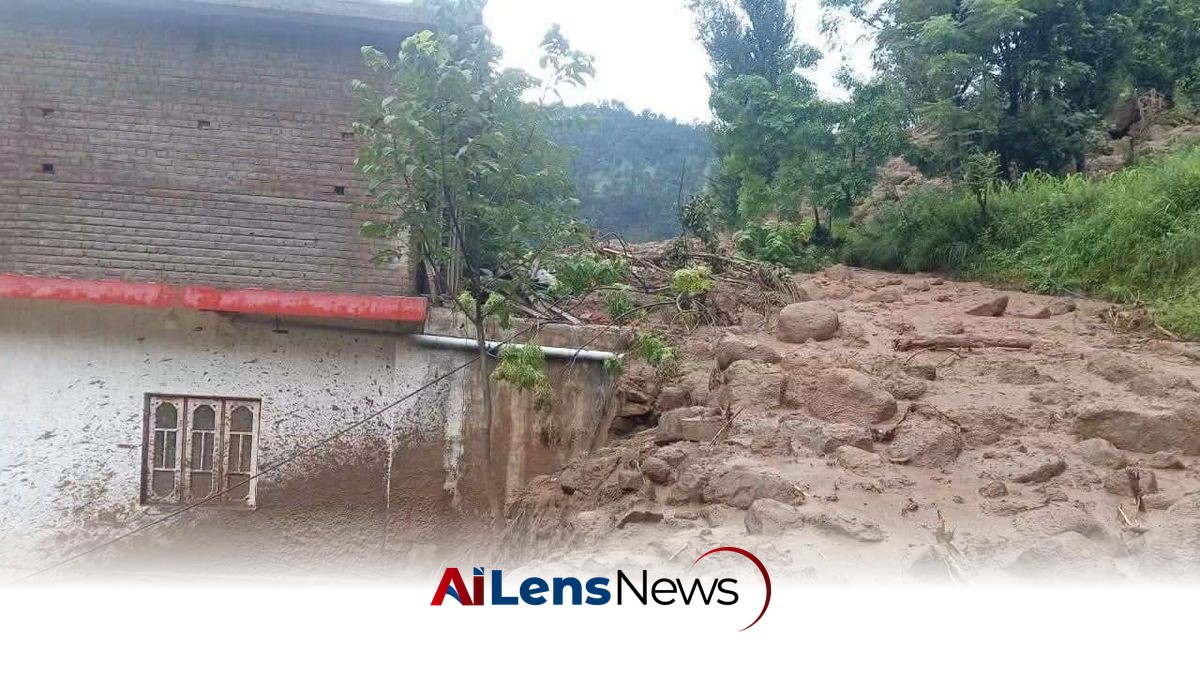


Flash floods in Udhampur, Jammu and Kashmir, have led to evacuations and damage to homes, with assessments ongoing.
Srinagar, India Jul 24, 2026 ALN: Flash floods hit the Barkuanda area of Jammu and Kashmir's Udhampur district early Friday, causing damage to several houses and prompting the evacuation of affected families, officials said.
The district administration evacuated three affected families to the government middle school at Barkuanda as a precautionary measure, they said. This swift action reflects the administration's commitment to ensuring the safety of residents in the face of natural disasters, which have historically posed significant risks to communities in this region.
No casualties have been reported so far, while officials have launched an assessment of the damage caused by the flash floods and landslides. The absence of casualties is a relief, but the situation remains precarious as local authorities work to gauge the full extent of the damage. Flash floods, often triggered by sudden heavy rainfall, can lead to devastating consequences, and the assessment process is crucial for planning recovery efforts.
In another incident, flash floods hit Kadwah village in Basantgarh tehsil, where overflowing water damaged some houses and standing maize crops, they said. The damage to agricultural land is particularly concerning as it affects the livelihoods of farmers and the local economy, which heavily relies on agriculture. The impact on crops can lead to food shortages and economic strain on families who depend on their harvests for sustenance.
The floodwater was diverted through an alternative channel, preventing further damage to residential structures and agricultural land, officials said. This proactive measure demonstrates the effectiveness of local disaster management strategies, which aim to mitigate the impact of flooding by redirecting water flow and protecting vulnerable areas. Such measures are essential in regions prone to flooding, where infrastructure may not always be equipped to handle sudden surges in water levels.
The Tawi river at Udhampur continued to flow below the alert mark. According to the latest readings, the river was flowing at 12.655 feet against the alert level of 15 feet. Monitoring river levels is a critical component of flood management, as it allows authorities to anticipate potential flooding events and respond accordingly. The Tawi river, like many others in the region, plays a vital role in the local ecosystem and economy, and its health is closely monitored by environmental agencies.
However, the water level in the Chenab river at Akhnoor once again crossed the flood alert level. This fluctuation in water levels underscores the unpredictable nature of weather patterns in the region, which have been increasingly affected by climate change. The Chenab river's rising levels can pose risks not only to nearby communities but also to infrastructure, including roads, bridges, and public utilities.
Heavy rains over the past five days have caused extensive damage in many parts of Jammu and Kashmir. The region is no stranger to heavy rainfall, particularly during the monsoon season, which typically runs from June to September. However, the intensity and frequency of such rainfall events have been on the rise, raising concerns among meteorologists and disaster management officials. The increased rainfall can lead to a higher incidence of landslides, flash floods, and other weather-related disasters, prompting a need for enhanced preparedness and response strategies.
The geographical landscape of Jammu and Kashmir, characterized by its mountainous terrain and river systems, makes it particularly vulnerable to the impacts of heavy rainfall. Landslides can occur as a result of saturated soil, and flash floods can sweep away homes, infrastructure, and agricultural land. The combination of these factors necessitates a coordinated response from local, state, and national authorities to ensure the safety and recovery of affected communities.
In light of these recent events, local authorities are likely to review and update their disaster preparedness plans. This may include improving early warning systems, conducting community awareness programs, and investing in infrastructure that can better withstand flooding. Additionally, the role of community engagement in disaster preparedness cannot be overstated, as local residents are often the first responders in emergencies and can provide invaluable assistance in recovery efforts.
The economic implications of such disasters are significant, particularly in rural areas where agriculture is the primary source of income. Farmers may face not only immediate losses due to crop damage but also long-term challenges as they work to recover from the impacts of flooding. This can lead to increased food prices and economic instability in the region, affecting both local consumers and broader markets.
Furthermore, the psychological impact on affected families can be profound. The trauma of losing homes and livelihoods can lead to long-term mental health issues, necessitating a comprehensive approach to recovery that includes not only physical rebuilding but also psychological support services.
As the situation continues to develop, it is essential for all stakeholders, including government agencies, non-governmental organizations, and community groups, to collaborate in addressing both the immediate needs of affected families and the long-term challenges posed by climate change and natural disasters. Building resilience in communities vulnerable to flooding will require a multifaceted approach, integrating environmental management, infrastructure development, and social support systems.
In conclusion, while the immediate response to the flash floods in Udhampur has been commendable, the broader implications of such weather events highlight the urgent need for ongoing investment in disaster preparedness and climate adaptation strategies in Jammu and Kashmir. The region's unique challenges require a concerted effort to protect its communities and ensure a sustainable future in the face of increasing environmental threats.
To learn more about the latest developments in Crime & Law, stay updated with our exclusive reports and analyses on AiLensNews.

