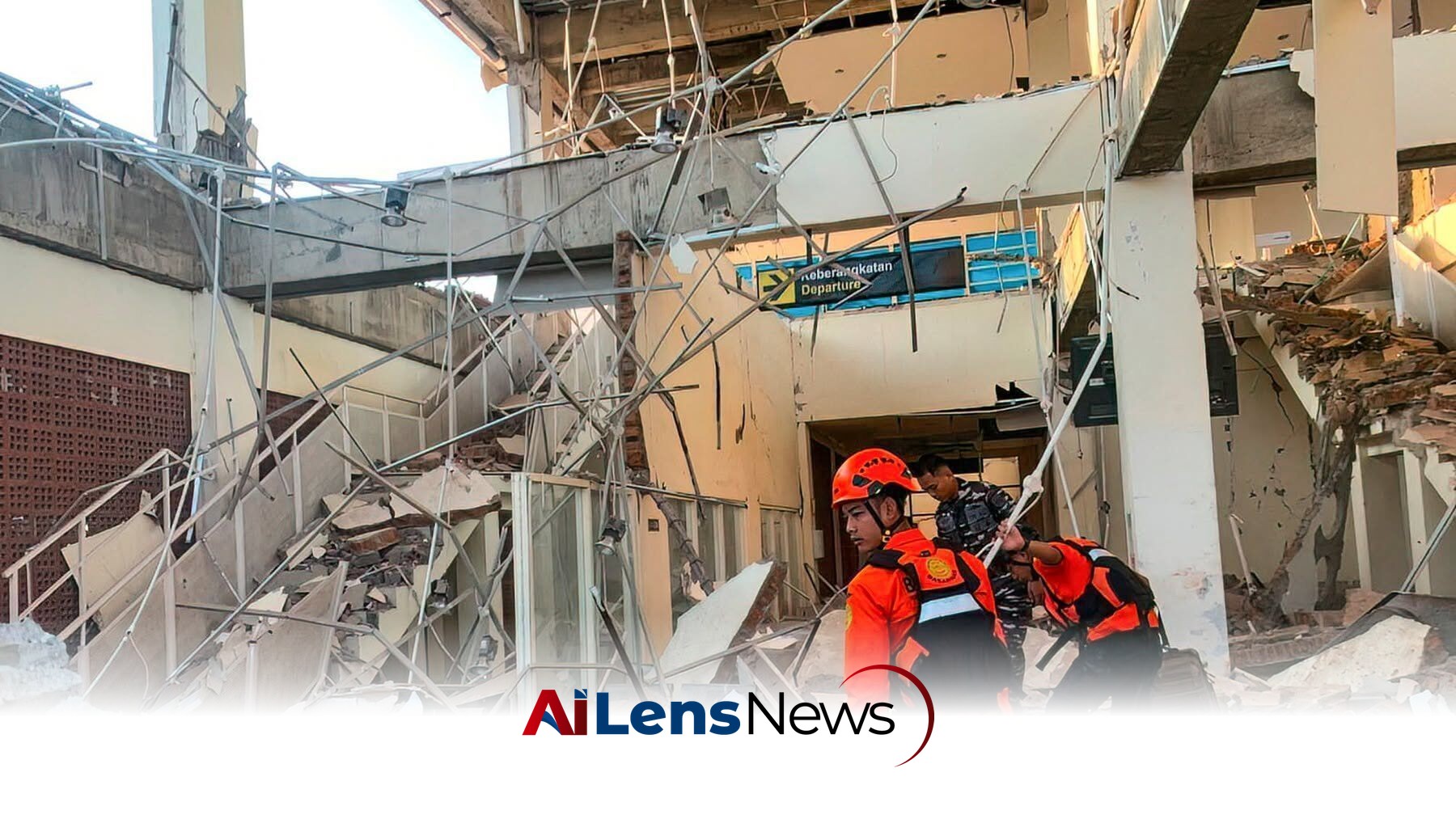


A powerful earthquake off Flores island has resulted in at least 20 fatalities and numerous injuries, causing widespread destruction and prompting a tsunami warning.
New Delhi, India Aug 15, 2026 ALN: Maumere (Indonesia), Aug 16: A powerful 7.7-magnitude earthquake struck off Indonesia's Flores island early Saturday, killing at least 20 people, injuring six others, and leaving two missing.
According to Indonesian authorities, the shallow undersea quake struck at 5:58 am local time at a depth of 10 km, with its epicenter located about 68 km north-northwest of Ende in East Nusa Tenggara province. The earthquake's depth and location significantly contributed to the level of damage experienced on the island, as shallower quakes tend to cause more destruction due to the proximity to the surface.
The United States Geological Survey (USGS) reported that the main tremor was followed by several aftershocks, a common occurrence following significant seismic events. These aftershocks can further complicate rescue and recovery efforts, as they may cause additional structural failures and pose risks to both residents and emergency responders.
The quake caused extensive damage across Flores island, with reports of collapsed homes, damaged public buildings, and landslides. The impact was particularly severe in densely populated areas where infrastructure was already vulnerable. Many buildings in the region are not constructed to withstand such intense seismic activity, which raises concerns about the overall safety of structures in future earthquakes.
Authorities stated that at least two people were killed when buildings collapsed, while rescue teams continued to assess the full extent of the destruction. The Indonesian National Disaster Management Agency is coordinating the response efforts, which include search and rescue operations in the worst-hit areas. These operations are critical in locating survivors trapped under rubble and providing medical assistance to those injured.
The earthquake also prompted authorities to issue a tsunami warning for parts of East Nusa Tenggara, West Nusa Tenggara, South Sulawesi, and Southeast Sulawesi provinces. Tsunami warnings are a standard precaution in the wake of significant underwater earthquakes, as the potential for tsunami generation can pose an additional threat to coastal communities. Residents living along the coast were advised to move to higher ground and avoid beaches and riverbanks. However, the warning was later lifted after monitoring showed no significant sea-level changes, indicating that the immediate threat of a tsunami had passed.
Television footage showed patients being evacuated from hospitals as a precaution. Medical staff moved beds, oxygen cylinders, and other equipment outdoors while temporary treatment areas were established to handle emergency conditions. Hospitals often face overwhelming challenges during such disasters, as they must quickly adapt to increased patient loads while ensuring the safety of both staff and patients.
Residents described scenes of panic as the tremors shook large parts of Flores island. Many reported feeling the ground shake violently, leading to widespread fear and confusion. "Many buildings here were damaged. I saw that the waiting room at the port terminal in Maumere had collapsed," said Yohanna Embu, a resident of Sikka regency, highlighting the widespread impact of the quake on critical infrastructure.
At St Peter Major Seminary in Sikka, students attending morning Mass fled after part of an assembly hall roof collapsed. The experience of those in the seminary underscores the unpredictable nature of earthquakes and the potential for injury during such events. "Our students and nuns ran out in panic beneath a collapsing roof," said Rev Guidelbertus Tanga, rector of the seminary. "At least one priest suffered a broken leg after jumping from the second floor of a building during the quake." Such accounts serve as a reminder of the human toll that natural disasters can exact, often leading to injuries and emotional trauma that can last long after the physical damage has been repaired.
Indonesia, an archipelago of more than 270 million people, sits on the Pacific Ring of Fire, making it one of the world's most earthquake-prone regions. The Pacific Ring of Fire is an area where a large number of earthquakes and volcanic eruptions occur, due to tectonic plate movements. This geological reality means that Indonesia frequently experiences seismic activity, and the government has been working to improve building codes and disaster preparedness in recent years.
The country frequently experiences seismic activity due to its location on a series of active tectonic fault lines. In light of this, local authorities and the national government have been investing in better disaster response mechanisms, including early warning systems and community education programs about earthquake preparedness. However, the challenges remain significant, especially in rural and remote areas where infrastructure may be lacking.
In the aftermath of the earthquake, discussions around disaster preparedness and response are likely to intensify. Experts may call for a reevaluation of building standards, particularly in areas known to be at high risk for seismic activity. Additionally, there may be renewed efforts to educate the public on evacuation procedures and safety measures during earthquakes.
As rescue operations continue, the focus will also turn to the long-term recovery process. This includes not only rebuilding damaged infrastructure but also providing psychological support to those affected by the disaster. The emotional and mental health impacts of such traumatic events can be profound, and addressing these needs is crucial for community recovery.
The international community often plays a role in providing aid and support during such disasters, and it is likely that various organizations will offer assistance to Indonesia as it navigates the aftermath of this earthquake. The collaboration between local, national, and international entities can be vital in ensuring that affected areas receive the necessary resources for recovery and rebuilding.
Overall, the devastating earthquake in Indonesia serves as a stark reminder of the natural hazards that can impact communities, particularly in regions prone to seismic activity. It highlights the importance of preparedness, response, and recovery efforts in mitigating the effects of such disasters on human lives and infrastructure.
To learn more about the latest developments in World News & International Affairs, stay updated with our exclusive reports and analyses on AiLensNews.

