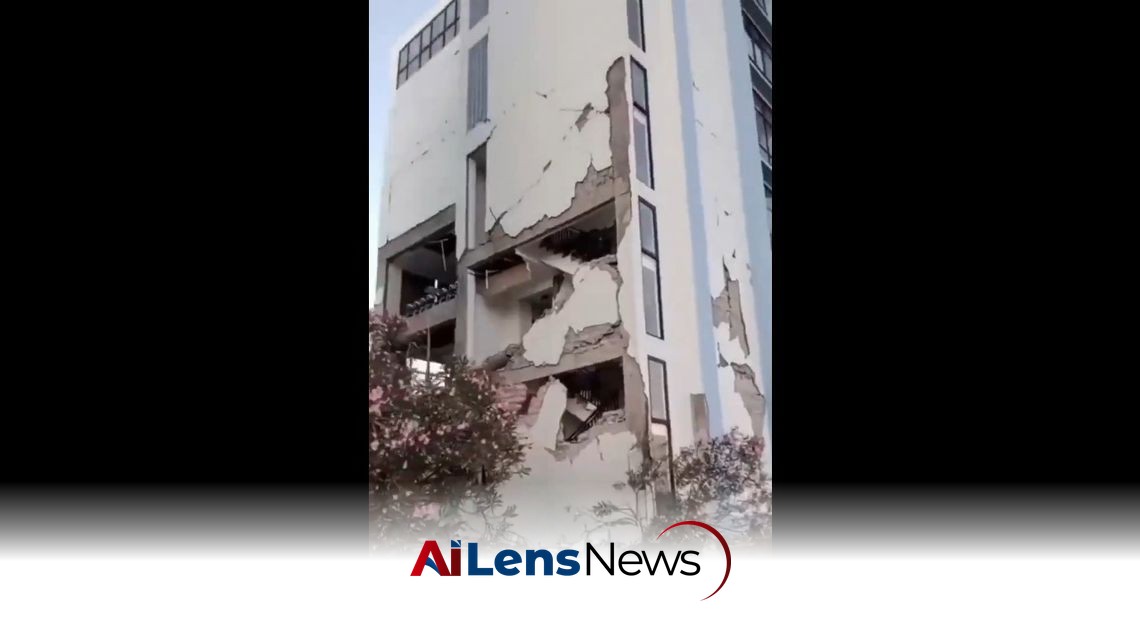


Rescue teams in Indonesia are working tirelessly to recover victims of the recent 7.7 magnitude earthquake, with the death toll now at 53. Thousands remain displaced.
New Delhi, India Aug 17, 2026 ALN: A powerful 7.7 magnitude earthquake struck eastern Indonesia, causing widespread devastation and loss of life. As rescue operations continue, the death toll has tragically risen to 53, with six additional bodies recovered on Sunday. The earthquake, which occurred just a day prior, has left many residents in fear of aftershocks, forcing thousands to spend the night outdoors. The situation remains dire as rescue teams work around the clock to locate survivors and provide aid to those affected.
Earthquakes are not uncommon in Indonesia, a country located on the Pacific Ring of Fire, an area known for its seismic activity due to tectonic plate movements. This region experiences numerous earthquakes each year, some of which can be devastating. The recent quake is among the more severe incidents in recent memory, highlighting the ongoing vulnerability of communities in seismic zones.
Rescue teams have been deployed to the hardest-hit areas, where buildings have collapsed and infrastructure has been severely damaged. Efforts are being coordinated to ensure that those trapped under the rubble are located as quickly as possible. Search and rescue operations involve not only local authorities but also the military and various humanitarian organizations that have mobilized to assist in the crisis.
The immediate focus is on finding survivors, but the challenges are immense. Many areas are still experiencing aftershocks, which complicates rescue efforts and raises safety concerns for both rescuers and victims. Heavy machinery is being used to clear debris, but the risk of further collapses remains a significant danger.
Many of the displaced individuals have found temporary shelter in makeshift camps, while others have opted to stay outdoors, fearing further tremors. Local authorities are providing food and medical assistance, but the scale of the disaster has overwhelmed resources. Hospitals in the region are inundated with patients suffering from injuries sustained during the quake, and there is a pressing need for medical supplies and personnel.
The psychological impact of such a disaster is profound, with many residents experiencing trauma and anxiety as they navigate the aftermath. The fear of aftershocks contributes to the sense of instability, as communities grapple with the loss of loved ones, homes, and livelihoods. Mental health support is becoming increasingly important as the situation develops.
The community has come together to support one another during this challenging time. Volunteers are assisting in rescue efforts and providing essential supplies to those in need. The spirit of resilience is evident as families band together to cope with the aftermath of the earthquake. Local organizations and community leaders are playing crucial roles in coordinating relief efforts, ensuring that aid reaches those most affected.
Fundraising initiatives are underway, with many individuals and groups mobilizing to collect donations of food, clothing, and medical supplies. Social media has become a powerful tool for organizing these efforts and raising awareness about the needs of the affected population.
As rescue operations continue, officials are urging residents to remain vigilant and prepared for potential aftershocks. The government is assessing the damage and planning for long-term recovery efforts to rebuild the affected areas. This includes not only physical reconstruction but also the implementation of safety measures to better prepare for future seismic events.
In the wake of this disaster, the international community has expressed solidarity with Indonesia, offering support and assistance as needed. Countries around the world have reached out, providing aid in the form of financial support, supplies, and expertise in disaster response. The road to recovery will be long, but the determination of the people remains strong.
As rebuilding efforts begin, there will be a pressing need to address the infrastructure vulnerabilities that have been exposed by this earthquake. Discussions about improving building codes, enhancing emergency preparedness, and investing in early warning systems are likely to gain traction in the aftermath of this tragedy. The hope is that through these efforts, communities will emerge stronger and more resilient in the face of future disasters.
To learn more about the latest developments in World News & International Affairs, stay updated with our exclusive reports and analyses on AiLensNews.

