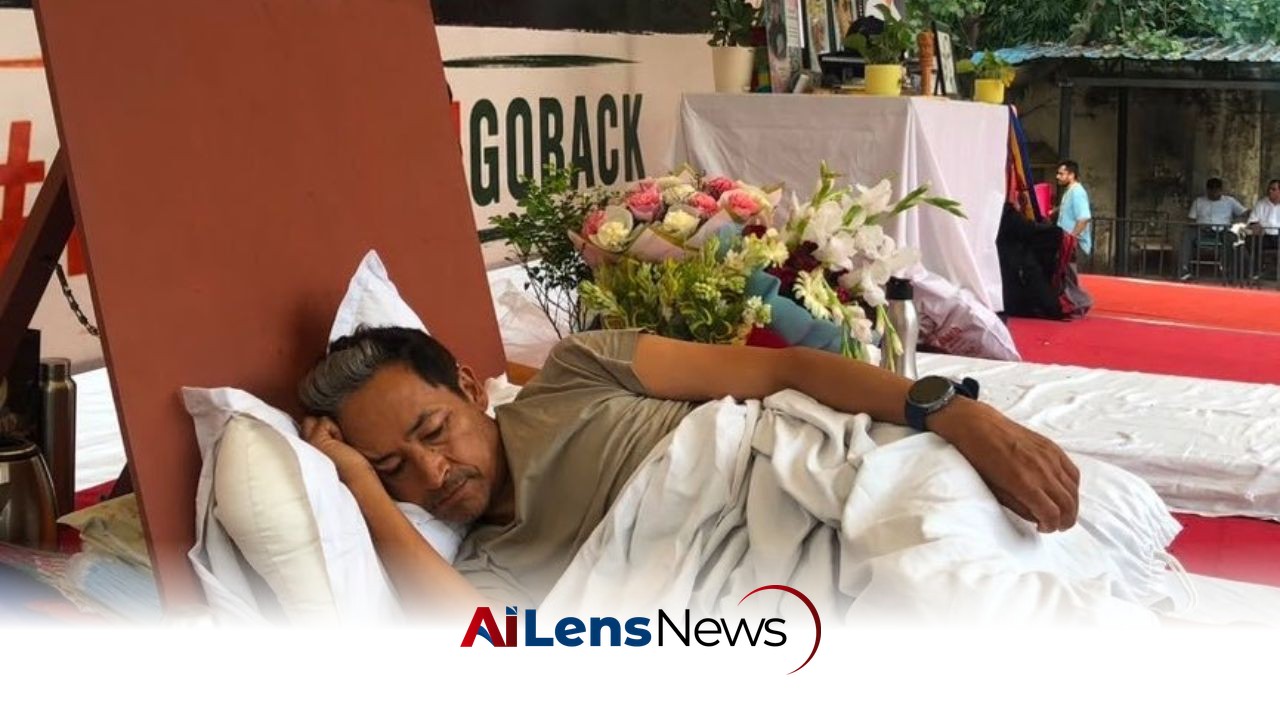


The US-based group Hindus for Human Rights has called for Prime Minister Modi to engage with Sonam Wangchuk, who is on a hunger strike protesting NEET exam irregularities.
New Delhi, India Jul 16, 2026 ALN: Washington: An Indian diaspora group, Hindus for Human Rights, has raised alarms over the health of Sonam Wangchuk, who has been on a hunger strike for 18 days to protest alleged irregularities in the National Eligibility cum Entrance Test (NEET) exams. The NEET is a highly competitive examination in India that determines admission to undergraduate medical courses. Wangchuk's protest highlights significant concerns regarding the integrity of the examination process, which many believe is marred by corruption and mismanagement. The group is urging the Indian government to engage with the protesters and address their concerns.
The organization emphasized serious issues regarding examination irregularities, educational governance, and institutional accountability, underscoring the detrimental impact these failures have on students. The NEET exams are critical for aspiring medical students, and any perceived unfairness or irregularity can have far-reaching consequences for their futures. The stakes are particularly high, as students invest considerable time, effort, and resources into preparing for these exams, which can ultimately determine their career paths.
In an open letter addressed to Prime Minister Narendra Modi, Hindus for Human Rights stated, “The government must meet with the protesters, provide a substantive response to the examination and governance failures they have identified, and establish a credible, time-bound process for accountability.” This call to action reflects a growing sentiment among various stakeholders, including students, parents, and educators, who are increasingly frustrated with the lack of transparency and accountability in the education system.
Sunita Viswanath, Executive Director of Hindus for Human Rights, emphasized the urgency of the situation, stating, “The government must meet the protesters now, answer the failures that brought them here, and act before indifference takes a life.” Her comments highlight the critical nature of Wangchuk's hunger strike, which is not only a personal sacrifice but also a broader symbol of the struggle for educational integrity and justice in India. Hunger strikes have historically been used as a form of nonviolent protest to draw attention to urgent social issues, and Wangchuk's actions are seen as a desperate measure to highlight the systemic problems within the education system.
The group also appealed to Wangchuk and the fasting students to prioritize their health and well-being. They stated, “Their concerns have been heard by people across India and around the world. They should not be required to sacrifice their health to demonstrate the seriousness of their demands.” This statement reflects a growing concern among advocates for educational reform about the lengths to which students feel they must go to have their voices heard. The physical toll of hunger strikes can be severe, and advocates worry that the health risks associated with prolonged fasting could overshadow the important issues being raised.
Furthermore, the organization called for the government to send an authorized representative to meet with the fasting protesters, ensure unrestricted access to appropriate medical care, and provide a transparent public response to the allegations raised by students. The demand for medical care is particularly pressing, as the health of hunger strikers can deteriorate rapidly, leading to potential long-term health consequences or even death. The call for a government representative to engage with the protesters underscores the need for dialogue and negotiation in resolving these critical issues.
In addition, they urged the government to establish a clear process for addressing examination and recruitment irregularities and to protect the right to peaceful protest without harassment or obstruction. This is particularly relevant in the context of India's vibrant civil society, where protests and demonstrations have played a crucial role in advocating for various social issues. However, there have been increasing reports of crackdowns on peaceful protests in recent years, raising concerns about the state of democracy and civil liberties in the country.
This call to action comes as the situation surrounding Wangchuk's health continues to deteriorate, raising concerns among supporters and advocates for educational reform. The implications of Wangchuk's hunger strike extend beyond his personal health; they reflect a broader discontent with the educational system in India, which many believe is in dire need of reform. Issues such as access to quality education, equitable opportunities for all students, and the integrity of examination processes are at the forefront of this movement.
The NEET exams themselves have faced scrutiny over the years, with allegations of favoritism, corruption, and discrepancies in the evaluation process. Students from various backgrounds have voiced their frustrations, claiming that the system favors those with access to better resources, often leaving marginalized students at a disadvantage. This ongoing struggle for fairness in education is not just a local issue but resonates with global concerns about educational equity and access.
As the hunger strike continues, the pressure on the Indian government to respond grows. The international community is watching closely, and there is a palpable sense of urgency to address the systemic issues that have led to this moment. The outcome of this protest could have significant implications for future educational policies and governance in India, potentially leading to reforms that prioritize transparency, accountability, and student welfare.
In conclusion, the situation surrounding Sonam Wangchuk's hunger strike serves as a poignant reminder of the challenges faced by students in India and the critical need for reform in the educational system. As calls for government action intensify, it remains to be seen how the authorities will respond to the concerns raised by Wangchuk and his supporters. The stakes are high, and the health and well-being of the protesters are of paramount importance as they continue their fight for justice and accountability in education.
To learn more about the latest developments in Health & Public Safety, stay updated with our exclusive reports and analyses on AiLensNews.

