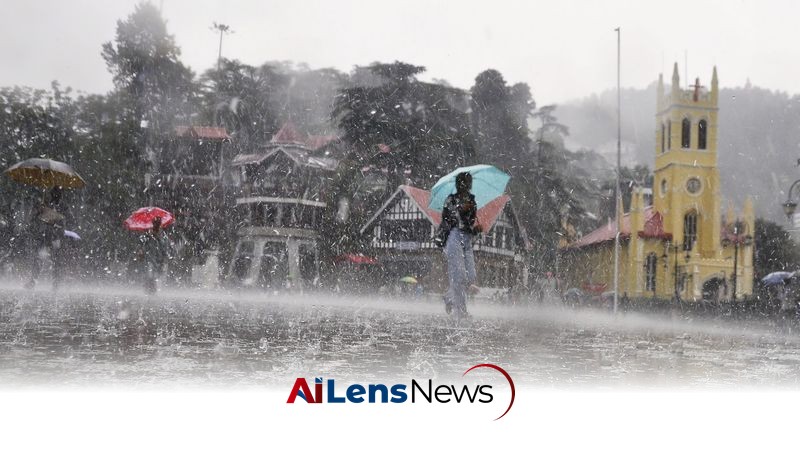


The Meteorological Centre warns of potential flash floods in Shimla, Kullu, Mandi, and Kinnaur districts due to heavy rainfall expected in the next 24 hours.
Shimla, India Jul 30, 2026 ALN: The Meteorological Centre of Himachal Pradesh has issued a warning for flash floods as heavy rainfall is expected in several districts over the next 24 hours. The alert specifically targets the districts of Shimla, Kullu, Mandi, and Kinnaur. These regions are particularly vulnerable due to their geographical features, which include steep slopes and narrow valleys that can exacerbate the effects of heavy precipitation.
This warning comes at a time when the state has already been experiencing significant rainfall, leading to concerns about rising water levels in rivers and streams. The recent weather patterns have raised alarms among local authorities, as the combination of saturated ground and additional rainfall can lead to rapid runoff and flooding. The meteorological department has observed that the monsoon season has intensified, and the forecast indicates that the heavy rains could persist, further complicating the situation.
Heavy rains can lead to rapid water accumulation, increasing the risk of flash floods, landslides, and other weather-related hazards. The topography of Himachal Pradesh, characterized by its mountainous terrain, makes it particularly prone to such disasters. Flash floods can occur within minutes of heavy rainfall, making them especially dangerous for residents who may not have sufficient time to react. The sudden influx of water can overwhelm drainage systems, leading to swift and unpredictable flooding.
Moreover, the impact of heavy rainfall is not limited to immediate flooding. It can also lead to long-term consequences such as soil erosion, damage to infrastructure, and disruption of transportation networks. The agricultural sector, which is vital to the local economy, can suffer significantly due to waterlogged fields and damaged crops. Farmers may face severe losses, which can impact food supply and local markets, particularly as the region relies heavily on agriculture for its economic stability.
Authorities are urging people to avoid unnecessary travel and to stay updated with the latest weather forecasts. It is crucial for residents to remain informed about the conditions in their area, as weather patterns can change rapidly in mountainous regions. The potential for landslides is particularly high in the wake of heavy rains, posing a significant risk to roadways and transportation. Landslides can block roads, isolate communities, and hinder rescue operations, making it imperative for locals to heed warnings and take precautions.
Emergency services are on standby to respond to any incidents that may arise due to the adverse weather conditions. The public is encouraged to report any emergencies to local authorities promptly. This proactive approach can help mitigate risks and ensure a quicker response to any incidents that may occur as a result of the heavy rainfall. Local police, fire services, and disaster management teams are coordinating efforts to ensure that they can respond effectively to any emergencies.
Himachal Pradesh has a history of experiencing severe weather events, particularly during the monsoon season, which typically runs from June to September. In past years, the state has faced devastating floods and landslides that have resulted in loss of life, destruction of property, and significant economic setbacks. These events have prompted the government to enhance its disaster preparedness and response strategies. The lessons learned from previous disasters have been instrumental in shaping current policies and response frameworks.
The state government has invested in infrastructure improvements, including better drainage systems and road stabilization projects, to help mitigate the effects of heavy rainfall. Additionally, community awareness programs have been initiated to educate residents about the risks associated with flash floods and landslides, as well as the importance of disaster preparedness. These initiatives aim to foster a culture of safety and resilience among the local population, enabling them to better cope with adverse weather conditions.
In light of the current flash flood warning, community preparedness is more critical than ever. Local authorities are working to disseminate information about the warning and recommended safety measures through various channels, including social media, community meetings, and local radio stations. Engaging the community in discussions about disaster preparedness can empower residents to take action and make informed decisions about their safety. Such engagement is vital for ensuring that everyone is aware of the potential risks and the steps they can take to protect themselves.
Families are encouraged to create emergency plans that include safe meeting points, communication strategies, and evacuation routes. These plans can significantly reduce panic and confusion during a crisis, allowing families to respond more effectively to emergencies. Schools and local organizations are also being encouraged to develop their own disaster response plans to ensure the safety of children and vulnerable populations during extreme weather events.
As the situation develops, residents in the affected districts should prioritize their safety and adhere to the guidance provided by local meteorological and emergency services. Continuous monitoring of weather updates is essential during this period of heavy rainfall. The cooperation of the community and local authorities will be vital in navigating the challenges posed by the impending weather conditions. It is during such times that community solidarity and preparedness can make a significant difference in mitigating the impacts of natural disasters.
In conclusion, the flash flood warning serves as a critical reminder of the need for vigilance and preparedness in the face of natural disasters. By staying informed and taking proactive measures, residents can help protect themselves and their families from the potential dangers associated with heavy rainfall and flooding. The collaboration between government agencies, emergency services, and the community will play a pivotal role in ensuring safety during this challenging time. As history has shown, preparedness can save lives and reduce the long-term impacts of such weather events.
To learn more about the latest developments in Weather & Emergency, stay updated with our exclusive reports and analyses on AiLensNews.

