

Himachal Pradesh is set to enhance its public transport with the induction of 297 electric buses and the operationalization of four new depots, promoting sustainable mobility.
Shimla, India Jul 16, 2026 ALN: Shimla: Himachal Pradesh is set to take a major step towards sustainable public transportation with 297 electric buses slated to be inducted into the Himachal Pradesh Road Transport Corporation (HRTC) fleet in a phased manner. Alongside the expansion of the electric fleet, four newly constructed electric bus depots (e-depots) are also expected to become operational soon, strengthening the state’s green mobility infrastructure.
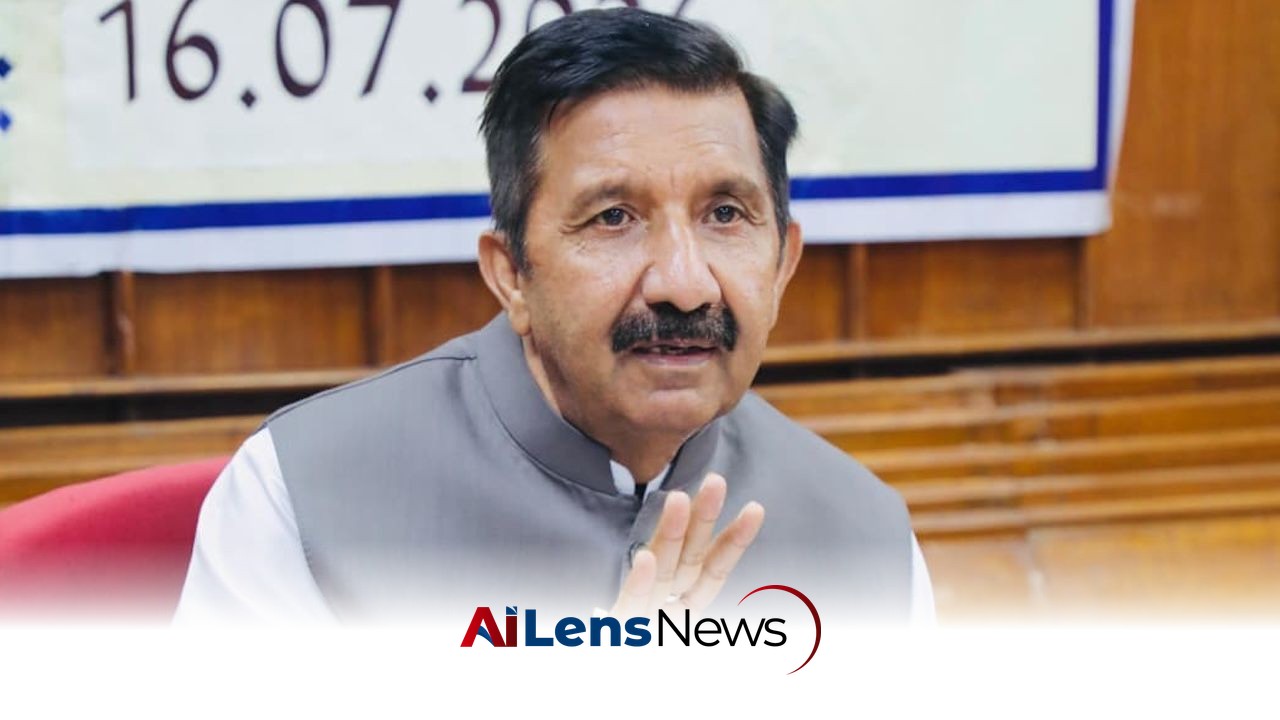
The announcement was made by Deputy Chief Minister Mukesh Agnihotri while chairing the 163rd meeting of the Board of Directors of HRTC in Shimla on Thursday. The meeting focused on improving the corporation’s functioning, enhancing passenger amenities, and strengthening the public transport system across the state. This initiative is part of a broader strategy by the Himachal Pradesh government to transition towards more environmentally friendly transportation options, which aligns with national goals for reducing carbon emissions and promoting renewable energy sources.
During the meeting, the Board reviewed the trial runs and operational preparedness for the induction of the 297 electric buses. Agnihotri stated that all necessary formalities for the launch of the electric buses were in the final stages and the vehicles would begin operating shortly. The phased approach to introducing these buses is designed to ensure that the transition is smooth and that the infrastructure is ready to support the new fleet. He added that the four e-depots under construction would also be commissioned at the earliest to support the operation and maintenance of the new fleet.
The Deputy Chief Minister emphasized that the induction of electric buses marks a significant milestone in the state’s efforts to modernize public transport while promoting environmentally sustainable mobility. This initiative is expected to not only improve the quality of public transport services but also contribute to reducing vehicular emissions and fuel consumption. Electric buses are known for their lower operational costs and reduced environmental impact compared to traditional diesel buses, making them a suitable choice for hilly regions like Himachal Pradesh where air quality can be a concern.
Reviewing the operational status of HRTC, Agnihotri expressed dissatisfaction over the shortage of tyres affecting some bus services. He directed officials to ensure that the corporation maintains adequate stocks of tyres, spare parts, and other essential materials so that bus operations are not disrupted in the future. The issue of supply chain management has become increasingly critical, especially in the wake of global disruptions caused by the COVID-19 pandemic, which highlighted vulnerabilities in logistics and inventory management across various sectors.
He instructed the HRTC management to establish advance procurement and alternative supply arrangements to avoid shortages of critical components. Stressing that passenger convenience should remain the corporation’s top priority, he said every effort must be made to ensure uninterrupted bus services across the state. This is particularly important in a region where public transport is a lifeline for many residents, especially in remote and rural areas where private transport options may be limited.
The meeting also discussed measures to improve operational efficiency, strengthen passenger facilities, and enhance the overall performance of HRTC. Officials reviewed ongoing initiatives aimed at modernizing the corporation and making public transport more reliable and commuter-friendly. Enhancements may include better scheduling, improved digital ticketing systems, and upgraded bus stops and stations to create a more user-friendly experience for passengers.
Agnihotri reiterated that the Himachal Pradesh Government is committed to building a modern, safe, and eco-friendly public transport network. The phased introduction of electric buses, coupled with the commissioning of new e-depots, is expected to give a significant boost to green mobility in the state while offering passengers cleaner, quieter, and more comfortable travel. This commitment to sustainability aligns with global trends where cities are increasingly adopting electric vehicles to combat urban pollution and climate change.
The broader implications of this initiative extend beyond just transportation. By investing in electric buses and infrastructure, the Himachal Pradesh government is positioning itself as a leader in sustainable development within the region. This could potentially attract eco-conscious tourists, enhance the state's reputation, and contribute to the local economy by creating jobs in the green technology sector. Furthermore, the project may serve as a model for other states in India, showcasing the feasibility and benefits of transitioning to electric public transport systems.
Moreover, as the world grapples with the effects of climate change, initiatives such as these are crucial in setting benchmarks for environmental responsibility. The successful implementation of electric buses in Himachal Pradesh could encourage other states to follow suit, thereby amplifying the impact on national and global scales. The transition to electric vehicles is not merely a technological shift but also a cultural one, requiring public acceptance and adaptation to new modes of transportation.
In conclusion, the introduction of 297 electric buses and the establishment of new e-depots in Himachal Pradesh represent a significant step towards achieving a sustainable and efficient public transportation system. By prioritizing green mobility, the state is not only addressing immediate transportation challenges but also contributing to long-term environmental goals. As the project unfolds, it will be essential to monitor its progress and effectiveness in meeting the needs of the public while promoting ecological sustainability.
To provide additional context, the move towards electric buses comes at a time when many regions are facing increasing pressure to reduce their carbon footprint. The transport sector is a significant contributor to greenhouse gas emissions, and transitioning to electric vehicles is seen as a vital strategy in mitigating climate change. With the Indian government setting ambitious targets for electric vehicle adoption, states like Himachal Pradesh are taking proactive measures to align with these national objectives.
Furthermore, the mountainous terrain of Himachal Pradesh presents unique challenges for public transport, including steep gradients and narrow roads. Electric buses, with their ability to provide instant torque and efficient energy use, are particularly well-suited for such environments. Their lower noise levels also contribute to reducing sound pollution, which can enhance the quality of life for residents along bus routes.
The introduction of electric buses is also expected to stimulate local economies by fostering innovation and investment in green technologies. As the state develops the necessary infrastructure to support electric vehicles, it may encourage local enterprises to engage in manufacturing components or providing services related to electric mobility. This could lead to job creation and skill development in emerging sectors, further strengthening the state's economic resilience.
In addition to economic benefits, the environmental advantages of electric buses are significant. They produce zero tailpipe emissions, which can drastically improve air quality in urban areas and reduce the health risks associated with air pollution. This is particularly important in regions like Himachal Pradesh, where tourism is a major economic driver, and maintaining a clean environment is essential for attracting visitors.
As the state prepares for the rollout of electric buses, community engagement will be crucial. Public awareness campaigns can help educate residents about the benefits of electric mobility, dispel myths, and encourage acceptance of new technologies. Engaging with local communities can also provide valuable feedback that can be used to tailor services to better meet the needs of passengers.
Overall, the initiative to introduce electric buses in Himachal Pradesh reflects a comprehensive approach to addressing the challenges of public transportation while prioritizing sustainability. As the state moves forward with this ambitious plan, it will be closely watched as a potential blueprint for other regions looking to enhance their public transport systems and contribute to a greener future.
To learn more about the latest developments in Local & Regional, stay updated with our exclusive reports and analyses on AiLensNews.

