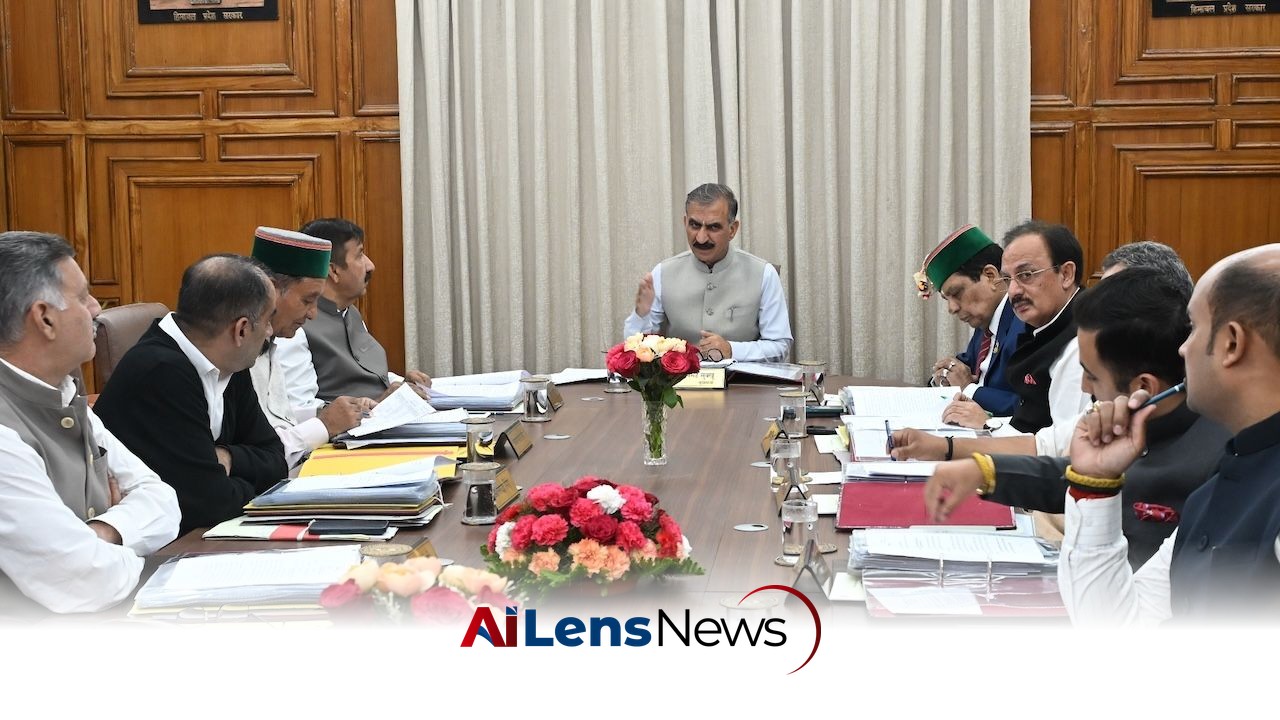


The Himachal Pradesh Cabinet has approved a series of measures to enhance healthcare services, including granting Non-Practising Allowance to super-specialist doctors and increasing stipends for postgraduate medical students.
Shimla, India Jul 20, 2026 ALN: Shimla: In a significant move aimed at enhancing the healthcare sector in Himachal Pradesh, the state Cabinet convened on Monday to approve a comprehensive set of measures designed to bolster medical education, improve healthcare services, and provide incentives for specialist doctors across the region. This decision is part of the state government's ongoing efforts to address the challenges faced by the healthcare system and to ensure that it is equipped to meet the needs of its population.
One of the most noteworthy decisions made by the Cabinet was the approval of a Non-Practising Allowance (NPA) for super-specialist faculty members. This allowance will be granted to those who possess recognized DM (Doctorate of Medicine), M.Ch. (Master of Chirurgiae), and DrNB (Diplomate of National Board) qualifications, and are currently serving under the Department of Medical Education and Research. The implementation of this allowance is expected to create a more attractive working environment for highly qualified faculty members in government medical institutions, thereby aiding the state in attracting and retaining specialist doctors. Given the increasing demand for specialized medical care, this initiative is poised to have a positive impact on the quality of healthcare services available to residents.
In a related move to enhance the training and education of future medical professionals, the Cabinet also approved a significant increase in the monthly stipends for postgraduate medical students. The revised stipend structure will see first-year PG students receiving Rs. 50,000 per month, an increase from the previous Rs. 40,000. Second-year students will now earn Rs. 60,000, up from Rs. 45,000, while third-year students will receive Rs. 65,000 per month, replacing the earlier stipend of Rs. 50,000. This increase in stipends is expected to alleviate some of the financial burdens faced by postgraduate students and encourage more individuals to pursue advanced medical training in the state.
Moreover, the Cabinet approved amendments to the Post Graduate/Super-Speciality (PG/SS) Policy of the Department of Medical Education. Under the revised policy, General Duty Officers (GDOs) and direct candidates who opt to serve as Senior Residents at the Atal Institute of Medical Super Specialities (AIMSS), Chamiyana, or in the specialty of Radiodiagnosis at government medical colleges located in Tanda, Hamirpur, Mandi, Chamba, and Nahan (excluding IGMC Shimla), will be exempt from the mandatory field posting requirement after completing their postgraduate degree. This exemption will allow their service in these institutions to be considered as field posting under the policy for a period of six years, thereby streamlining the process for newly qualified doctors to gain valuable experience in specialized settings.
In an effort to expand specialized medical education, the Cabinet also approved the introduction of new courses, specifically B.Sc. Medical Technology (Radiotherapy Technologist) and Bachelor of Radiation Therapy Technology. Each of these courses will have an annual intake of 30 students and will be offered at the Indira Gandhi Medical College (IGMC), Shimla, and Dr. Rajendra Prasad Government Medical College, Tanda. This addition to the curriculum is expected to enhance the skill set of healthcare professionals in the field of medical technology, which is critical for the diagnosis and treatment of various health conditions.
Furthermore, the Cabinet approved the establishment of an All India Institute of Ayurveda at Dhaneta in the Nadaun area of Hamirpur district. Approximately 75 acres of land has been earmarked for this proposed institute, which aims to strengthen Ayurvedic education, research, and healthcare services in the region. The establishment of such an institute is significant given the growing interest in alternative medicine and holistic health practices, and it may serve to elevate the profile of Ayurvedic education in India, while also contributing to the local economy through job creation and increased healthcare options.
In a bid to enhance critical care infrastructure, the Cabinet approved the procurement and supply of essential equipment for five Critical Care Blocks across various institutions, including Dr. Rajendra Prasad Government Medical College, Tanda; Shri Lal Bahadur Shastri Government Medical College, Mandi; Regional Hospital, Una; Civil Hospital, Ghawandal; and AIMSS, Chamiyana. This investment in critical care facilities is crucial, particularly in light of the increasing prevalence of severe health conditions that require intensive medical attention. Improved infrastructure will not only enhance patient outcomes but also bolster the capacity of these institutions to handle emergencies and complex cases.
To further strengthen specialized healthcare services, the Cabinet approved the creation and filling of dialysis technician posts in government medical colleges. Specifically, ten posts will be established in the Departments of Nephrology at IGMC Shimla, Tanda, and AIMSS Chamiyana, while five posts will be created in the medical colleges located in Hamirpur, Mandi, Chamba, and Nahan. This initiative is particularly important given the rising incidence of kidney-related diseases and the growing demand for dialysis services. By ensuring that qualified technicians are available, the state can improve the quality and accessibility of dialysis care for patients.
Additionally, the Cabinet approved the establishment of a Department of Gastrointestinal Surgery at Dr. Rajendra Prasad Government Medical College, Tanda, along with the creation of two Assistant Professor posts. This development is expected to enhance the surgical capabilities of the institution and provide patients with access to specialized gastrointestinal care, which is essential for addressing a range of digestive disorders.
In a move to empower local health institutions, the Cabinet granted Rogi Kalyan Samitis the authority to utilize 70 percent of the revenue generated through diagnostic tests and procedure fees for sanitation and procurement of reagents. Furthermore, institutions operating below the district hospital level will be permitted to utilize 100 percent of such income for these purposes. This decision is aimed at enhancing the operational autonomy of health institutions and ensuring that they can reinvest in their facilities and services to better serve their communities.
Lastly, the Cabinet approved the fee structure and other conditions for the Multi-Purpose Health Worker Course, which is designed to train individuals to provide a range of health services in their communities. This course is vital for addressing the healthcare needs of rural and underserved populations, as it equips health workers with the necessary skills to deliver essential services and health education.
In conclusion, the recent decisions made by the Himachal Pradesh Cabinet reflect a proactive approach to improving the healthcare landscape in the state. By focusing on enhancing medical education, increasing stipends for postgraduate students, and expanding specialized services, the government is taking significant steps to ensure that its healthcare system is robust, responsive, and capable of meeting the evolving needs of its population. The implications of these measures are far-reaching, as they not only aim to improve healthcare delivery but also seek to attract and retain qualified professionals in the medical field, ultimately benefiting the residents of Himachal Pradesh.
To learn more about the latest developments in Health & Public Safety, stay updated with our exclusive reports and analyses on AiLensNews.

