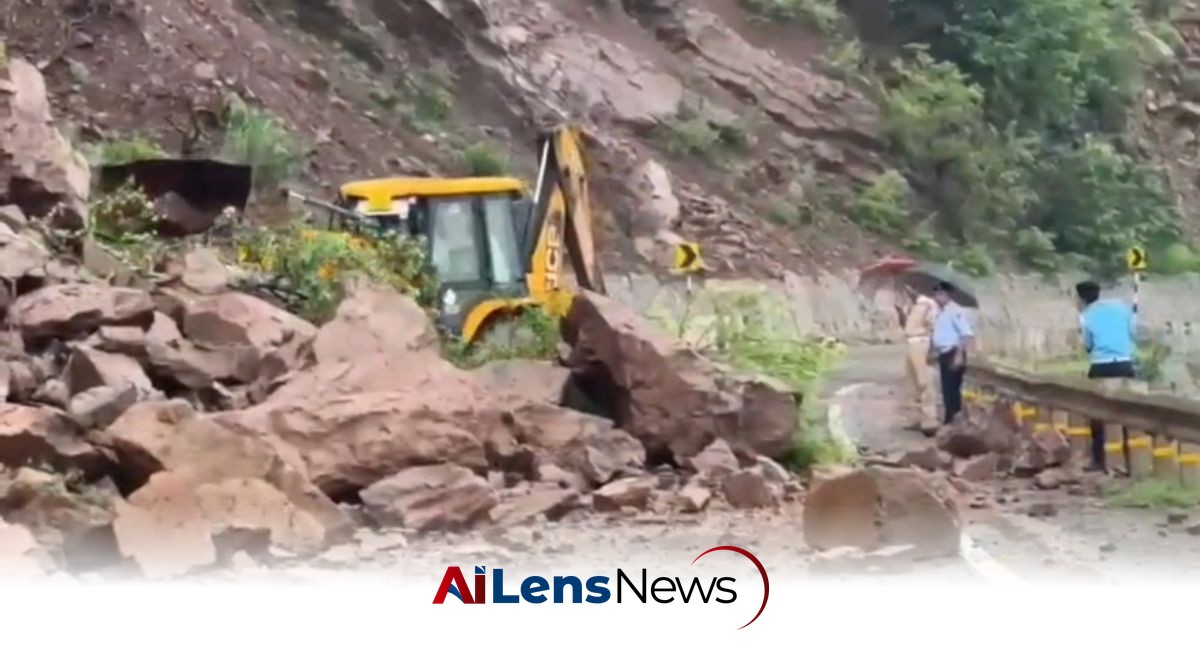


Heavy rainfall in Udhampur district has triggered mudslides and shooting stones on NH-44, leading to traffic diversions as restoration efforts begin.
New Delhi, India Jul 21, 2026 ALN: Heavy rainfall lashed parts of Udhampur district on Tuesday, triggering mudslides and shooting stones at multiple locations along the Jammu-Srinagar National Highway (NH-44), forcing the authorities to divert traffic through the downtube as a precaution.
Traffic officials stated that the affected locations include Sharda Mata Mandir, Tharad, Bali Nallah, and Kheri in the uptube stretch of the highway. Continuous rain in the region led to mudslides and the falling of stones, which posed significant risks to commuters traveling along this vital route.
NH-44 serves as a critical artery connecting the Jammu region with Kashmir Valley, and it is often prone to weather-related disruptions, especially during the monsoon season. The road is not only essential for daily commuters but also plays a crucial role in the transportation of goods and services between the two regions. The frequent occurrence of mudslides and landslides during heavy rains can lead to significant delays and pose serious safety hazards.
As a safety measure, traffic has been temporarily diverted through the downtube while restoration work is underway. This diversion is intended to minimize the risk to vehicles and passengers who would otherwise be exposed to the dangers posed by falling debris and unstable terrain along the highway.
The National Highways Authority of India (NHAI) has been proactive in addressing the situation by deploying men and machinery to clear the debris and restore normal traffic movement as quickly as possible. NHAI officials are tasked with ensuring that the highway remains safe and operational, especially during adverse weather conditions. Their efforts include not only clearing the current blockages but also assessing the stability of the surrounding areas to prevent future incidents.
Authorities have advised commuters to drive cautiously and follow traffic advisories until the affected stretches are fully cleared. This advisory serves as a crucial reminder for drivers to remain vigilant and exercise caution, particularly when navigating through areas that have recently experienced heavy rainfall and potential landslides. The situation underscores the importance of preparedness and safety measures during the monsoon season.
Heavy rainfall and the resulting mudslides are not uncommon in the Udhampur district, which is characterized by its hilly terrain and susceptibility to landslides. The region's geography, combined with the seasonal monsoon rains, creates a challenging environment for road maintenance and safety. Local authorities are often faced with the task of balancing the need for efficient transportation with the imperative of ensuring public safety.
In recent years, the government has invested in infrastructure improvements along NH-44, including the construction of retaining walls and drainage systems designed to mitigate the impact of heavy rains. However, the effectiveness of these measures can be tested during periods of extreme weather, as seen in the current situation. The ongoing challenges highlight the need for continued investment in infrastructure resilience to adapt to changing weather patterns and ensure that critical transportation routes remain safe.
Moreover, the implications of such weather events extend beyond immediate traffic disruptions. For local businesses that rely on the highway for transportation of goods, prolonged closures can lead to significant economic losses. Additionally, the safety of residents and travelers must always be a top priority, necessitating a comprehensive approach to disaster preparedness and response.
As restoration efforts progress, local authorities are likely to monitor weather forecasts closely to anticipate further rainfall and potential impacts. They may also engage with community leaders and residents to ensure that everyone is informed about safety protocols and traffic conditions. This collaborative approach can help mitigate risks and enhance community resilience in the face of natural disasters.
The heavy rainfall that caused these mudslides is part of a larger pattern of extreme weather events that have been increasingly observed in many regions, including Udhampur. Climate change is believed to be a significant factor contributing to the intensity and frequency of such weather phenomena. As global temperatures rise, the atmosphere can hold more moisture, leading to heavier rainfall during storm events. This has implications not only for infrastructure but also for agriculture, water resources, and disaster management strategies.
In addition to immediate traffic concerns, the long-term effects of such weather conditions can be profound. Agriculture, which is a primary source of livelihood for many families in the region, can be adversely affected by both excessive rainfall and the resultant landslides that can erode soil and damage crops. Farmers may face challenges in planting and harvesting crops, which can lead to food insecurity and economic instability in the community.
Furthermore, the social implications of these weather events cannot be overlooked. Communities that are frequently affected by natural disasters may experience increased anxiety and stress, particularly among vulnerable populations such as the elderly, children, and those with pre-existing health conditions. The need for mental health support and community cohesion becomes critical in the aftermath of such events.
In conclusion, the recent heavy rainfall in Udhampur district has once again highlighted the vulnerabilities of NH-44 to weather-related disruptions. As authorities work to clear the affected areas and restore normal traffic flow, it is imperative for all road users to remain cautious and adhere to safety advisories. The ongoing challenges posed by the region's geography and climate underscore the importance of ongoing infrastructure improvements and community preparedness in safeguarding lives and livelihoods during the monsoon season. The situation also calls for a broader discussion on how to effectively adapt to the realities of climate change and its impact on local communities, ensuring that they are equipped to handle future challenges with resilience and strength.
To learn more about the latest developments in Transport & Mobility, stay updated with our exclusive reports and analyses on AiLensNews.

