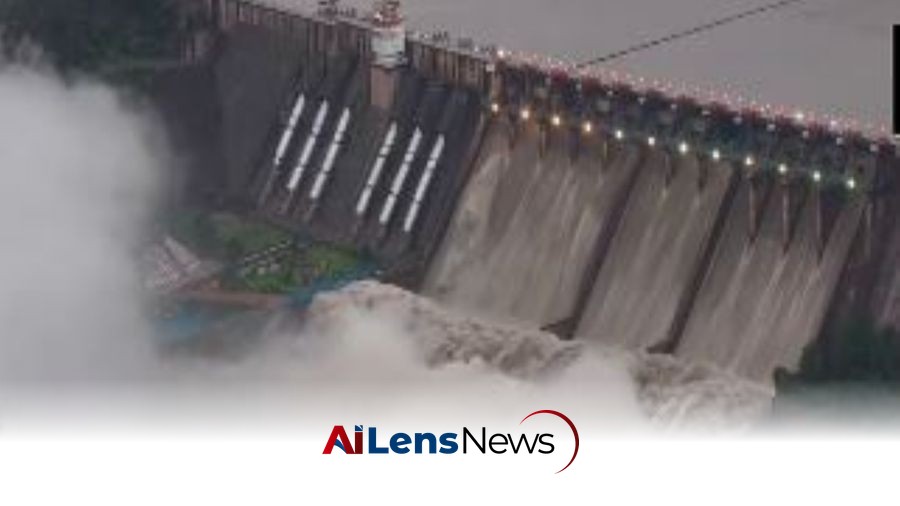


Continuous rainfall in Reasi has led to the opening of all gates at the Salal Dam, resulting in a significant rise in the Chenab River's water levels. Authorities have issued advisories for residents to remain vigilant.
New Delhi, India Jul 22, 2026 ALN: Continuous rainfall in Reasi and upper catchment areas has triggered a surge in water inflow into the Salal reservoir, prompting authorities to open all gates of the dam to regulate the rising water level. This decision comes as part of a broader strategy to manage water resources effectively, especially during periods of heavy precipitation that can lead to flooding and other hazards.
The Salal Dam, an important hydroelectric project located on the Chenab River in the Reasi district of Jammu and Kashmir, plays a crucial role in managing water flow and generating electricity. The dam's capacity to store and release water is vital for flood control, particularly during the monsoon season when rainfall can be unpredictable and intense. The increased inflow and release of water from the dam have caused the Chenab River to swell, with strong currents and elevated water levels being witnessed downstream, raising concerns about the safety of communities living near the riverbanks.
Heavy rainfall has been lashing the Reasi region for the past several hours, leading to a significant rise in water inflow into the Chenab River and Salal Dam reservoir. Authorities are closely monitoring weather conditions and the river's water level, utilizing advanced meteorological tools and local observations to assess the situation. The Jammu and Kashmir region typically experiences heavy rainfall during the monsoon months, which can lead to rapid changes in river levels and potential flooding. As such, the management of water resources is critical to mitigating the impact of these natural events.
In light of the current weather conditions, people, particularly those living in low-lying areas and along the banks of the Chenab, have been advised to remain vigilant and avoid venturing close to the river. This precautionary measure is essential as the strong currents can pose significant risks, including the potential for drowning and property damage. The authorities are also encouraging residents to stay informed about the latest weather updates and to heed any warnings issued by local officials.
Meanwhile, heavy rainfall lashed Jammu and Kashmir's Rajouri district from early Tuesday morning, prompting the district administration and Rajouri Police to issue advisories urging residents to remain alert amid fears of rising river water levels, flash floods, landslides, and waterlogging. The geographical layout of the region, characterized by hilly terrains and narrow valleys, makes it particularly susceptible to such natural disasters. Landslides can occur when the ground becomes saturated with water, leading to rock and soil movement that can block roads and cause further complications for emergency services.
The district administration has taken proactive measures to ensure public safety by advising people to avoid unnecessary travel during the ongoing spell of heavy rain and stay away from rivers, streams, and flood-prone areas. This includes not only the Chenab River but also smaller tributaries that can rise quickly and become hazardous. Residents were also urged not to attempt crossing flooded roads or bridges, as the depth and strength of the water can be deceptive. Following weather updates and instructions issued by the administration is crucial for ensuring community safety during such adverse conditions.
People have been asked to remain indoors unless travel is essential and cooperate with the administration. This call for cooperation underscores the importance of community resilience in the face of natural disasters. Local authorities are often stretched thin during such events, and public adherence to safety guidelines can significantly reduce the risk of injuries and fatalities. In case of an emergency, residents have been advised to immediately contact the local administration or emergency services, which are prepared to respond to incidents as they arise.
Rajouri Police also issued an urgent advisory, warning that continuous heavy rainfall could lead to a rapid rise in the water level of rivers in the district. The police force plays a vital role in maintaining public order and safety during such emergencies, often coordinating with other agencies to ensure a swift response to any incidents that may occur. "With heavy rainfall going on in areas of Rajouri, there is apprehension that the water level in rivers will increase rapidly," the advisory said, highlighting the need for vigilance among residents.
As the situation develops, local authorities are likely to continue monitoring the weather and river conditions closely. They may implement additional measures as needed to protect communities and infrastructure. The challenge of managing water resources during heavy rainfall is compounded by climate change, which has led to more extreme weather patterns in many regions, including Jammu and Kashmir. As such, the importance of effective water management systems and community preparedness cannot be overstated.
In conclusion, the current heavy rainfall and the resultant swelling of the Chenab River serve as a reminder of the challenges faced by communities in flood-prone areas. The proactive measures taken by local authorities, including the opening of the Salal Dam gates and the issuance of advisories, reflect a commitment to public safety and disaster preparedness. Residents are urged to remain vigilant, stay informed, and cooperate with local officials to navigate this challenging situation safely.
The Salal Dam, constructed in the late 1970s, is one of the key components of the hydroelectric power generation infrastructure in Jammu and Kashmir. It has a total installed capacity of 690 megawatts, making it a significant contributor to the region's power supply. The dam's operations are closely linked to the seasonal monsoon rains that affect the hydrology of the Chenab River, which originates in the Himalayas and flows through several districts before entering Pakistan. The management of this water resource is not only vital for energy production but also for agricultural irrigation and domestic water supply in the surrounding areas.
During the monsoon season, the region often experiences heavy rainfall, which can lead to rapid snowmelt in the higher altitudes, further exacerbating the inflow into rivers and reservoirs. The interplay of these factors necessitates a robust monitoring and management system to handle potential flooding risks. Local authorities have invested in developing early warning systems and community education programs to enhance preparedness and response capabilities during such events. This includes training local volunteers and establishing communication networks to disseminate information quickly in times of crisis.
In addition to immediate safety measures, long-term strategies are also being implemented to address the impacts of climate change and improve resilience against natural disasters. These strategies involve infrastructure improvements, such as reinforcing riverbanks, constructing retention basins, and restoring natural wetlands to enhance water absorption and reduce runoff. Community engagement in these initiatives is crucial, as local knowledge and participation can significantly enhance the effectiveness of disaster risk reduction efforts.
As the climate continues to change, regions like Jammu and Kashmir may face increasing challenges related to water management and disaster preparedness. The recent events underscore the necessity for continuous investment in infrastructure, public education, and community engagement to build resilience against the increasing frequency and intensity of extreme weather events. This holistic approach to disaster management not only protects lives and property but also promotes sustainable development in vulnerable areas.
In summary, the heavy rains in Reasi and the resultant swell of the Chenab River highlight the critical need for effective water resource management and community preparedness in flood-prone regions. The proactive measures taken by local authorities, including the opening of the Salal Dam gates and public advisories, are essential in safeguarding lives and minimizing damage during such natural events. Residents are encouraged to remain vigilant, stay informed, and cooperate with local officials to navigate this challenging situation safely and effectively.
To learn more about the latest developments in Crime & Law, stay updated with our exclusive reports and analyses on AiLensNews.

