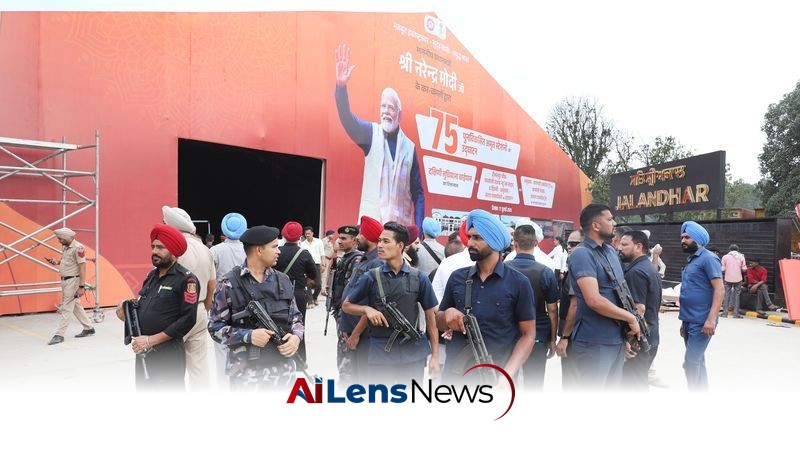


Prime Minister Modi is set to inaugurate a hydrogen train and announce significant development projects worth ₹23,000 crore in Jind, focusing on road, health, and education.
Chandigarh, India Jul 17, 2026 ALN: In a significant move towards sustainable transportation, Prime Minister Narendra Modi is scheduled to flag off a hydrogen train from Jind, Haryana. This event is part of a larger initiative aimed at enhancing infrastructure and public services in the region. The introduction of hydrogen trains is seen as a landmark development in India's transportation sector, aligning with global trends towards cleaner and more efficient public transport systems.
The inauguration of the hydrogen train marks a pivotal step in India's commitment to clean energy and innovation in public transport. Hydrogen trains are considered a green alternative to traditional diesel-powered trains, emitting only water vapor and contributing to a reduction in carbon emissions. This is particularly important in the context of India's ambitious goals to reduce greenhouse gas emissions and combat climate change. The shift towards hydrogen as a fuel source aligns with the broader global movement towards sustainable energy solutions, which includes the use of renewable sources like wind, solar, and hydropower.
Alongside the train launch, PM Modi will unveil a series of development projects totaling ₹23,000 crore. These projects are expected to span various sectors, reflecting a comprehensive approach to regional development. The sectors targeted for enhancement include:
This announcement comes at a crucial time as the political landscape in Punjab is evolving. Chief Minister Bhagwant Mann is reportedly considering skipping the Jalandhar event, which has raised questions about the local government's alignment with the central initiatives. Such political dynamics can significantly influence the implementation and reception of development projects. The relationship between state and central governments often plays a pivotal role in determining the success of infrastructure initiatives, as local governments are essential in facilitating the execution of these projects on the ground.
The timing of PM Modi's visit is strategic, especially as the government seeks to showcase its commitment to regional development and sustainable practices. The focus remains on how these projects will impact the local economy and the lives of residents in Jind and surrounding areas. By prioritizing infrastructure and clean energy, the government aims to stimulate economic growth, create jobs, and improve the quality of life for the residents. The successful execution of these projects could also serve as a political advantage for the ruling party, demonstrating their commitment to development and addressing local issues.
The launch of the hydrogen train and the associated projects signify a forward-thinking approach to transportation and development in India. As the country aims for a sustainable future, such initiatives will play a crucial role in shaping the landscape of public transport and infrastructure. The hydrogen train not only represents a technological advancement but also symbolizes India's commitment to reducing its carbon footprint and embracing innovative solutions to meet the transportation needs of its growing population.
Moreover, the successful implementation of these projects could serve as a model for other regions in India, encouraging a nationwide shift towards sustainable transport solutions. The government's focus on clean energy and infrastructure development reflects a broader strategy to modernize India's transport systems and enhance public welfare. This approach is particularly relevant as urbanization continues to rise, necessitating more efficient and environmentally friendly modes of transportation. As urban areas expand, the pressure on existing infrastructure increases, making it imperative for governments to invest in sustainable solutions that can accommodate future growth.
In conclusion, PM Modi's visit to Jind is not just about inaugurating a train; it represents a commitment to innovation, sustainability, and the overall development of the region. The implications of this event extend beyond just transportation; they encompass economic growth, environmental stewardship, and the enhancement of public services. As India navigates the complexities of development in the 21st century, initiatives like the hydrogen train will be crucial in shaping a sustainable and prosperous future for all its citizens. The integration of hydrogen technology into public transport systems not only showcases India's technological ambitions but also reinforces its commitment to global efforts in combating climate change, positioning the nation as a leader in the transition towards a greener economy.
To learn more about the latest developments in Local & Regional, stay updated with our exclusive reports and analyses on AiLensNews.

