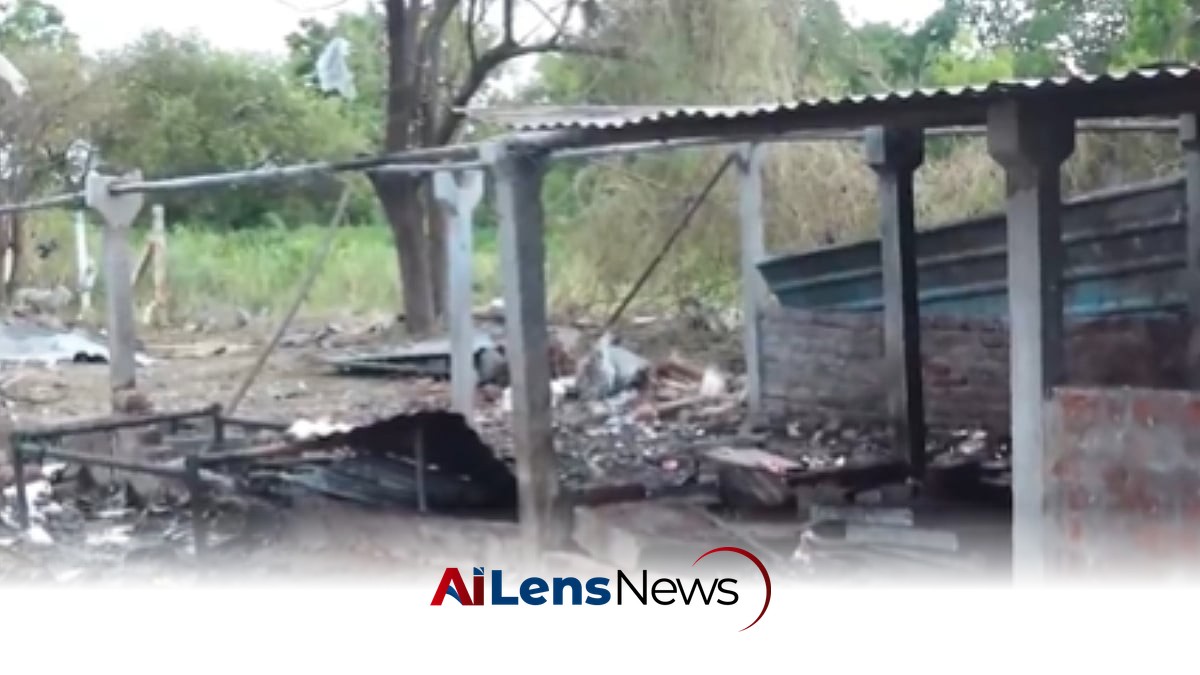


A devastating explosion at an illegal firecracker factory in Ahmedabad has resulted in eight fatalities and nine injuries, prompting government assistance for victims.
Gandhinagar, India Jul 19, 2026 ALN: Ahmedabad: A tragic incident has come to light from Gujarat's Ahmedabad. At least eight people have been killed and nine reported injured in a blast inside an illegal firecracker factory in the Vastral area on Saturday. This incident has not only highlighted the dangers associated with unregulated manufacturing practices but also raised questions about the enforcement of safety regulations in industries that handle hazardous materials.
The firecracker factory, known as Talent Fireworks, was operating on a farm despite its license having been cancelled. Such illegal operations are not uncommon in India, where the demand for fireworks is high, especially during festive seasons. However, the lack of proper oversight can lead to catastrophic incidents like this one. Fireworks manufacturing is inherently dangerous, involving the use of volatile chemicals that can ignite and explode if not handled properly. The explosion was followed by a massive fire that engulfed the factory, further complicating rescue efforts.
PM Modi expresses grief
Prime Minister Narendra Modi has expressed grief over the tragedy and declared an ex gratia of Rs. 2 lakh for the next of kin of the deceased and Rs. 50,000 for the injured. The government's response indicates an acknowledgment of the severity of the incident and the need for immediate assistance to the affected families. "Extremely saddened to hear about the loss of lives due to a mishap at a fireworks factory in Ahmedabad, Gujarat. My thoughts are with the bereaved families in this hour of grief. Praying for the speedy recovery of the injured. The local administration is providing all possible assistance to those affected," the PMO's post read.
The injured have been rushed to the civil hospital and LG Hospital in Maninagar for treatment, according to NDTV report. Medical professionals are working tirelessly to provide care for those affected, and the condition of the injured is being monitored closely. Local health authorities are coordinating with hospitals to ensure that all necessary medical resources are available.
Rescue operations started within minutes as RAF personnel entered the burning premises and pulled out trapped and injured workers from the debris. Their prompt action proved crucial during the initial moments before emergency services reached the spot. Such rapid response can often mean the difference between life and death in disaster situations. The involvement of the Rapid Action Force (RAF) underscores the seriousness of the incident and the need for specialized rescue teams trained to handle hazardous situations.
This incident has reignited discussions about the safety standards in the fireworks industry. In India, the fireworks industry is a multi-billion dollar sector, particularly booming around festivals such as Diwali, where the demand for fireworks peaks significantly. However, the industry is often marred by safety violations, with many manufacturers operating without proper licenses or safety measures in place. The tragedy in Ahmedabad serves as a grim reminder of the potential consequences of such negligence.
In recent years, there have been several incidents across the country involving firecracker factories. Many of these facilities operate in residential areas, posing risks not only to workers but also to nearby communities. The government has attempted to regulate the industry by enforcing licensing requirements and safety protocols. However, enforcement remains a significant challenge, especially in rural areas where oversight can be lax.
The legal framework governing the fireworks industry includes the Explosives Act of 1884, which regulates the manufacture, possession, use, sale, and transport of explosive materials. Despite these regulations, many factories continue to operate illegally, often evading inspections and penalties. The lack of accountability and oversight contributes to a culture of impunity, where safety is compromised for profit.
The implications of this tragedy extend beyond the immediate loss of life and injuries. It raises broader questions about labor rights and safety in hazardous industries. Workers in illegal factories often lack proper training and safety equipment, making them vulnerable to accidents. Furthermore, the families of those who lost their lives may face financial hardships, particularly if the deceased were primary earners.
In the wake of this incident, it is essential for the government to take proactive measures to ensure that such tragedies do not occur in the future. This could include stricter enforcement of existing laws, regular inspections of factories, and increased penalties for violations. Additionally, raising awareness about the dangers of illegal fireworks manufacturing among workers and the community can help prevent future incidents.
Public sentiment following such tragic events often leads to calls for justice and accountability. Families of the victims may seek legal recourse against the factory owners, and the government may face pressure to improve safety regulations in the industry. Advocacy groups may also emerge, pushing for reforms that prioritize worker safety and rights, ensuring that the voices of those affected by such tragedies are heard.
As the investigation into the blast continues, it is crucial for authorities to determine the exact cause of the explosion and hold those responsible accountable. Only through comprehensive investigations and enforcement of safety standards can the cycle of tragedies in the fireworks industry be broken. The loss of lives in Ahmedabad serves as a stark reminder of the urgent need for reform in an industry that has long been associated with danger and negligence.
This incident not only reflects the existing issues within the fireworks industry but also serves as a catalyst for broader discussions about industrial safety in India. The government may need to evaluate its regulatory framework and consider implementing more robust measures to safeguard workers and communities. Moreover, the cultural significance of fireworks in Indian festivals complicates the situation; while they are a source of joy during celebrations, the associated risks cannot be overlooked.
In conclusion, the tragic firecracker factory blast in Ahmedabad has not only resulted in a significant loss of life but has also highlighted the urgent need for reforms in industrial safety regulations. The government, along with civil society, must work together to ensure that such incidents do not recur, prioritizing the safety and well-being of workers and their families. The path forward will require a concerted effort to address the systemic issues that allow illegal operations to thrive, ensuring that safety is not compromised in the pursuit of profit.
To learn more about the latest developments in Crime & Law, stay updated with our exclusive reports and analyses on AiLensNews.

