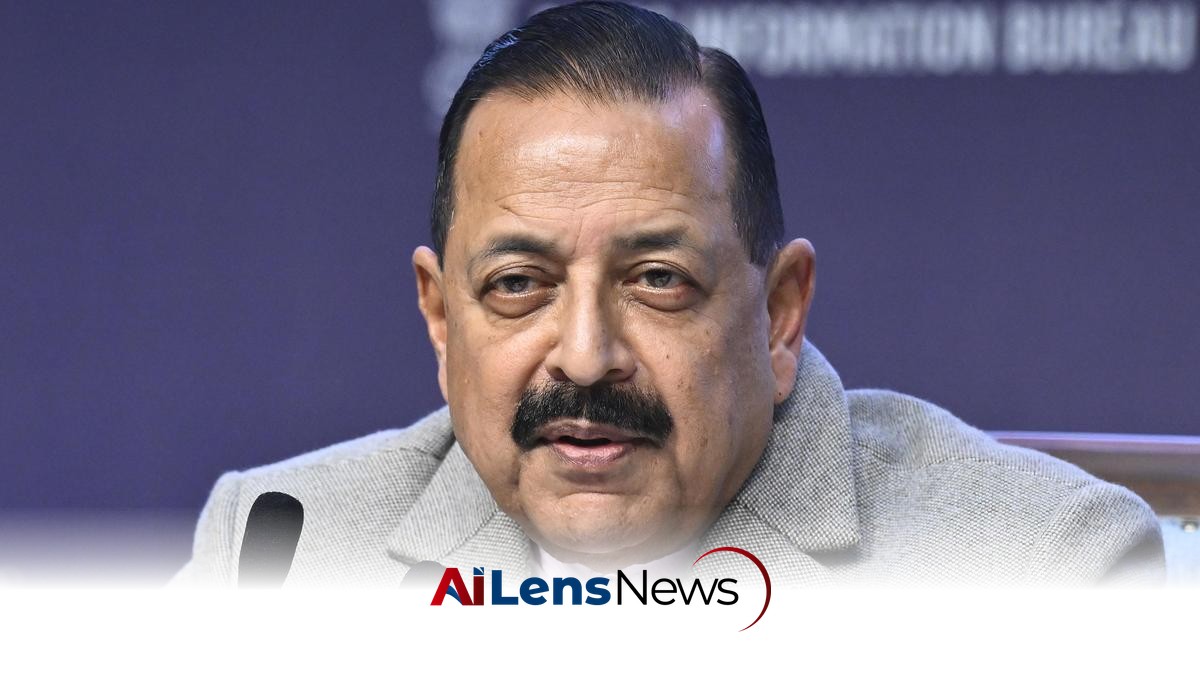


Union Ministers meet activist Sonam Wangchuk, discussing conditions to end his hunger strike related to NEET paper leakage protests.
New Delhi, India Jul 23, 2026 ALN: The ongoing protests surrounding the Eligibility cum Entrance Test (NEET) in India have drawn significant attention, particularly following allegations of a paper leakage that have raised concerns about the integrity of the examination process. NEET serves as a crucial gateway for students aspiring to pursue medical education in India, and any disruption to its credibility can have far-reaching consequences for the educational landscape. In response to escalating unrest, the government has ramped up its engagement with protest leaders, most notably activist Sonam Wangchuk, who has emerged as a prominent voice in the movement. Wangchuk, known for his advocacy for educational reform and environmental sustainability, is currently hospitalized and has been on a hunger strike to draw attention to the issues at hand and advocate for fair treatment of protesting students.
Union Ministers J.P. Nadda and Jitendra Singh recently visited Wangchuk at Medanta Hospital, where he is receiving medical care. During their meeting, Wangchuk indicated that he would consider ending his hunger strike if the government could provide assurances that no punitive actions would be taken against students participating in the protests. This statement underscores the critical nature of the government's response to the unrest, as many students fear repercussions for their activism. The fear of retaliation is compounded by the high-stakes nature of NEET, where students invest significant time, effort, and resources to prepare for the examination, making any perceived injustice particularly contentious.
Recent Developments in the NEET Protests
The protests have gained momentum, with Wangchuk's statements reflecting a potential shift in the dialogue between the government and the protesters. He noted that the Ministers assured him of a forthcoming "meaningful discussion in Parliament" aimed at ensuring accountability regarding the NEET paper leakage. This includes discussions around the potential resignation of the Education Minister, a significant demand from the protesters that indicates the level of dissatisfaction with the current leadership overseeing educational reforms. The call for resignation is emblematic of a broader discontent with how educational policies are crafted and implemented, raising questions about transparency and accountability in governance.
In a notable development, following a lengthy meeting with Home Minister Amit Shah, Nadda and Singh encouraged Wangchuk to help foster trust among students in the government's processes and to avoid further escalation of tensions. This approach marks a departure from the earlier stance, which focused heavily on immediate resignations and punitive measures against officials. Instead, the emphasis is now on dialogue and constructive engagement, signaling a willingness from the government to address the concerns raised by the protesters. The shift towards dialogue is crucial not only for resolving the immediate crisis but also for rebuilding trust between the government and the youth, who feel increasingly alienated by existing policies.
By the end of the day, Wangchuk reported that he had received visits from around 65 Members of Parliament from various political parties, all urging him to end his hunger strike. This level of political engagement illustrates the seriousness of the situation and the government's recognition of the need to address the grievances of the youth. Wangchuk reiterated the necessity for unequivocal assurances that the protesting students would not face legal repercussions for their actions, framing their advocacy as a legitimate call for a fair and accountable education system. The willingness of multiple political figures to engage with Wangchuk indicates a broader recognition of the need to address youth issues, which could have implications for future policymaking.
In addition to engaging with protest leaders, the government is reportedly coordinating with state authorities to provide compensation to families who have lost children due to suicides linked to the cancellation of NEET exams. This tragic aspect of the protests highlights the broader implications of educational policies and the mental health crisis among students, particularly in high-pressure environments like competitive examinations. The mental health of students has become an increasingly pressing issue, with reports indicating that the immense pressure to succeed in exams like NEET can lead to severe stress and, in extreme cases, tragic outcomes such as suicides. This reality adds a layer of urgency to the government's response.
During a recent press conference, Nadda disclosed that discussions with the Cockroach Janta Party (CJP) were ongoing, urging them to formalize their demands in writing. While no meeting with CJP leaders occurred on that particular day, the government's outreach reflects a strategic effort to address the underlying issues that have fueled the protests. Nadda emphasized that Parliament is the appropriate venue for thorough discussions, indicating a desire for collaborative solutions to the NEET paper leakage issue. The call for formalized demands suggests that the government is taking the protesters' concerns seriously, recognizing the need for a structured dialogue to facilitate meaningful change.
A senior Minister acknowledged that the outreach to CJP representatives and Wangchuk is part of a broader strategy to tackle the unrest, which extends beyond the NEET controversy to encompass wider anxieties among youth about their futures in an increasingly competitive job market. The protests have become a rallying point for various issues within the education system, including the perceived lack of transparency and accountability in examination processes. The growing discontent among students is not merely about NEET; it reflects a broader sentiment regarding the challenges facing young people in India, including job scarcity and economic uncertainty.
The political ramifications of the NEET protests are significant, particularly for the ruling Bharatiya Janata Party (BJP). Prime Minister Narendra Modi has previously countered the Congress party's social justice proposals by categorizing beneficiaries into four universal groups: farmers, the poor, women, and youth. The NEET protests have notably impacted the BJP's appeal among young voters, presenting a political challenge that the party must navigate ahead of the upcoming Uttar Pradesh elections. The youth demographic is critical for any political party, and their dissatisfaction could translate into electoral consequences if their concerns are not addressed adequately.
The dissatisfaction among youth regarding educational policies and the integrity of examination processes could translate into electoral consequences for the BJP if not addressed adequately. As the government continues to engage with Wangchuk and the protesters, the outcome of these discussions may set the tone for future reforms in the education sector and influence the party's standing among young voters. The potential for political fallout is heightened by the fact that young voters are increasingly mobilized and vocal about their concerns, leveraging social media and other platforms to express their discontent.
As the situation evolves, the government's approach to handling the protests will be closely scrutinized, not only for its immediate impact on the NEET controversy but also for its broader implications on educational reform and accountability in India. The engagement with protest leaders like Wangchuk signals a recognition of the importance of addressing youth concerns, which may shape the political landscape in the coming months. The outcome of these protests could lead to significant changes in how educational policies are formulated and implemented, potentially resulting in a more inclusive and transparent system that better serves the needs of students.
In conclusion, the NEET protests are not just a reaction to a specific incident but are indicative of deeper issues within the Indian education system. The government's response will be crucial in determining whether it can restore faith among students and their families in the fairness of educational processes. As the dialogue continues, it is essential for all stakeholders to engage constructively to ensure that the voices of the youth are heard and that their demands for accountability and reform are taken seriously.
To learn more about the latest developments in Crime & Law, stay updated with our exclusive reports and analyses on AiLensNews.

