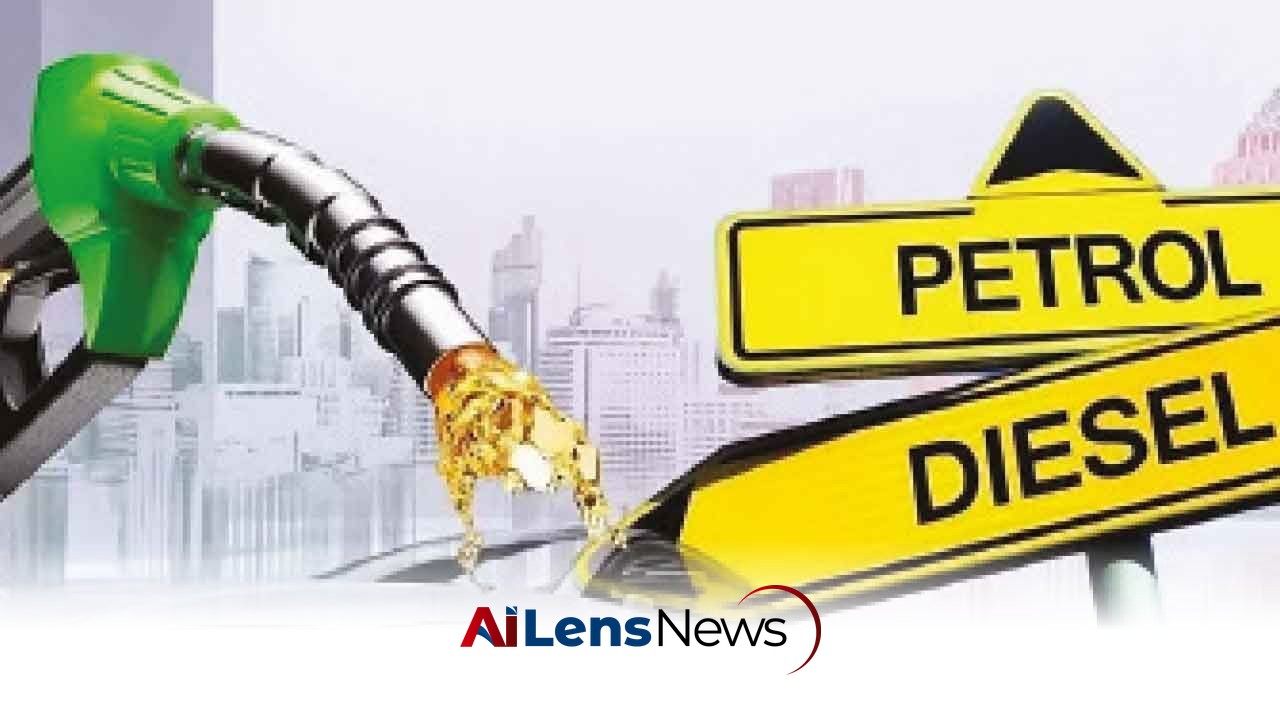


India witnesses another hike in fuel prices, with petrol and diesel rates rising for the fourth time in two weeks, igniting public outrage and memes online.
New Delhi, India May 25, 2026 ALN: Fuel prices in India have surged once again, marking the fourth hike in less than two weeks. On Monday, petrol prices rose by ₹2.61 per litre, while diesel became costlier by ₹2.71 per litre. This increase has pushed rates past the ₹100 mark in several cities, leading to a wave of strong reactions online from consumers and industry experts alike.
The latest revision has resulted in a cumulative increase in petrol and diesel prices of nearly ₹7.5 per litre since May 15. In Delhi, the price of petrol now stands at ₹102.12 per litre, while diesel is priced at ₹95.20. Major metropolitan areas such as Mumbai, Kolkata, and Chennai have also witnessed sharp spikes in retail fuel prices, creating a sense of urgency and concern among consumers who are already facing financial pressures due to rising costs of living.
State-run oil companies have attributed the hike to a combination of factors, including rising global crude oil prices, ongoing geopolitical tensions in West Asia, and disruptions around the Strait of Hormuz, which is a critical global oil transit route. The Strait of Hormuz is particularly significant as it serves as a chokepoint for a substantial percentage of the world's oil supply. Any geopolitical tensions or conflicts in this region can lead to fluctuations in oil prices globally, which directly affects domestic fuel prices in countries like India that rely heavily on imported oil.
The recent series of fuel price increases has sparked frustration across social media platforms, with many users expressing their discontent over the growing burden on household budgets, travel expenses, and daily commuting costs. On platforms such as Reddit, several users have predicted that petrol prices could soon touch ₹120 to ₹150 per litre if global oil prices remain volatile, reflecting a widespread anxiety about the financial implications of sustained fuel price hikes. Such predictions indicate a fear among consumers that they may soon be facing unprecedented fuel costs that could drastically affect their daily lives.
Critics of the price hikes have pointed out that the government managed to maintain relatively stable prices during the recent elections, despite high crude prices earlier this year. This has led to accusations of political maneuvering, where fuel prices were strategically managed to avoid public discontent during an election period. Many users have expressed their discontent over the perception that the government is now allowing prices to rise significantly after the elections, raising questions about the transparency and accountability of fuel pricing policies. This situation has ignited a broader discussion about the role of government in regulating essential commodities and the potential need for reforms in pricing mechanisms.
As the cost of fuel continues to rise, vehicle ownership is becoming increasingly expensive for many households. The rising maintenance and fuel costs are compelling consumers to reconsider their transportation choices. In this context, the fuel hike has revived conversations around public transport and electric vehicles. For instance, in Kolkata, commuters have reported switching from private vehicles to metro services and buses to reduce travel expenses. This shift highlights a potential change in consumer behavior driven by economic necessity, as individuals seek more cost-effective means of transportation in light of rising fuel prices.
Experts believe that continued increases in fuel prices may have broader implications for inflation, transportation charges, and the cost of essential goods in the coming weeks. Higher fuel prices can lead to increased transportation costs for goods, which may subsequently be passed on to consumers in the form of higher prices for everyday items. This could exacerbate inflationary pressures, particularly in a country like India, where a significant portion of the population is already grappling with economic challenges. The increase in fuel prices may also affect the purchasing power of consumers, forcing them to cut back on discretionary spending and impacting overall economic growth.
The implications of rising fuel prices extend beyond individual consumers and households; they also affect businesses and the broader economy. For logistics companies, increased fuel costs can lead to higher operational expenses, which may force them to raise their service charges. This, in turn, can affect the pricing strategies of retailers and service providers, potentially leading to a cycle of inflation that impacts consumers at every level. Small businesses, in particular, may struggle to absorb these increased costs, which could threaten their viability and lead to job losses in various sectors.
In response to these challenges, some state governments may consider implementing measures to mitigate the impact of fuel price hikes on their citizens. This could involve reducing state taxes on fuel or providing subsidies for public transportation to ease the financial burden on commuters. However, such measures would require careful consideration of the fiscal implications for state budgets, which are already under strain in many regions. Policymakers will need to balance the immediate need for relief against the long-term sustainability of state finances.
Additionally, the rising fuel prices may accelerate discussions around transitioning to alternative energy sources and sustainable transportation methods. The Indian government has been promoting electric vehicles as a cleaner and more sustainable alternative to traditional petrol and diesel vehicles. However, the adoption of electric vehicles has been slow due to high upfront costs, limited availability, and concerns about charging infrastructure. The current fuel price situation may prompt both consumers and policymakers to prioritize investments in electric vehicle technology and infrastructure, which could have long-term benefits for energy sustainability and environmental conservation. A shift towards electric vehicles could also help reduce the country's dependence on imported oil, enhancing energy security.
In conclusion, the recent surge in fuel prices in India has sparked widespread concern and debate among consumers, policymakers, and industry experts alike. As the situation evolves, it will be crucial for stakeholders to monitor the implications of these price increases on inflation, consumer behavior, and the broader economy. The ongoing discussions around public transportation and electric vehicles may also play a significant role in shaping future transportation policies and consumer choices in the face of rising fuel costs. Ultimately, the challenge will be to find a balance between economic growth, environmental sustainability, and the needs of consumers in an increasingly volatile global energy landscape.
To learn more about the latest developments in Economy, stay updated with our exclusive reports and analyses on AiLensNews.

