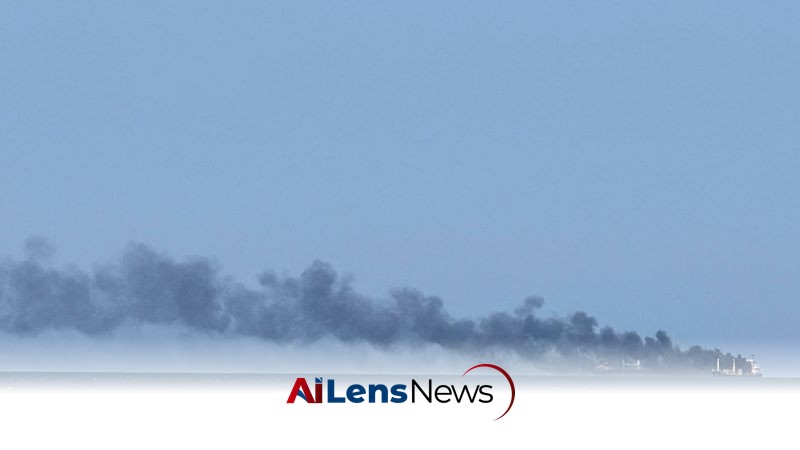


The tragic incident highlights ongoing risks for Indian seafarers amid the Russia-Ukraine conflict, raising safety concerns for commercial vessels.
New Delhi, India Jul 21, 2026 ALN: In a tragic incident off the coast of Ukraine, four Indian seafarers lost their lives following an attack on a cargo vessel. This marks one of the deadliest occurrences for Indian maritime personnel amid the ongoing Russia-Ukraine conflict, which has raised significant concerns regarding the safety of civilian commercial vessels operating in the region. The implications of this attack extend beyond the immediate loss of life, highlighting the precarious nature of maritime operations in conflict zones and the need for enhanced protection for seafarers worldwide.
The attack occurred in a maritime area that has seen increased tensions due to the ongoing war, which has disrupted shipping routes and raised fears for the safety of seafarers. The Indian government has expressed its condolences and is actively seeking further details regarding the incident. The loss of these lives is not just a national tragedy for India but also a stark reminder of the high stakes involved in maritime commerce in areas affected by geopolitical strife.
Reports indicate that the cargo vessel was targeted while navigating through a contested area, highlighting the precarious situation faced by commercial shipping in the Black Sea. The Black Sea has become a focal point of conflict since the onset of the war in 2022, with both Russian and Ukrainian forces asserting control over various maritime zones. The region is crucial for international trade, particularly for grain and energy exports, which have been severely affected by the hostilities. The attack on the cargo vessel is emblematic of the broader risks that commercial shipping faces in such volatile environments.
In recent years, the Black Sea has witnessed a significant increase in military activity, including naval exercises and confrontations between Russian and NATO vessels. This escalation has not only jeopardized military personnel but also endangered civilian seafarers who are often caught in the crossfire. The cargo vessel's attack underscores the volatility of the region and the urgent need for enhanced maritime security measures. The situation is further complicated by the fact that many maritime routes in the Black Sea are vital for the transport of goods, making it imperative for nations to ensure safe passage for commercial vessels.
This incident is likely to renew discussions about the safety protocols for Indian seafarers operating in conflict zones. India has a long maritime history, with thousands of its citizens employed in various capacities on commercial vessels across the globe. The Indian government, along with maritime organizations, is expected to reassess safety measures and provide guidance to ensure the protection of its citizens working at sea. The Indian maritime sector has been a significant contributor to the global shipping industry, and the safety of its seafarers is paramount.
In the wake of this tragedy, the Indian Ministry of Shipping may initiate dialogues with international maritime bodies to advocate for safer passage for Indian seafarers. There is a growing recognition of the need for real-time intelligence sharing regarding maritime threats, which could help in avoiding such incidents in the future. Furthermore, the Indian government might explore diplomatic avenues to ensure the safety of its nationals in conflict-affected waters. This could involve engaging with international partners to develop protocols that enhance the security of commercial shipping in high-risk areas.
The attack has prompted reactions from various international maritime organizations, which are calling for enhanced security measures and greater oversight in conflict-affected waters. Organizations such as the International Maritime Organization (IMO) and the International Chamber of Shipping (ICS) have raised alarms about the increasing risks faced by commercial vessels in the Black Sea and surrounding areas. These organizations advocate for stricter regulations and better coordination among nations to ensure the safety of commercial shipping. The heightened awareness of these risks is crucial in fostering a safer maritime environment for all seafarers.
Moreover, the situation underscores the need for diplomatic efforts to stabilize the region and protect civilian lives. Countries with vested interests in the Black Sea, including NATO members, are being urged to engage in discussions aimed at de-escalating tensions and establishing safe corridors for maritime navigation. The international community is recognizing that without a concerted effort to address the underlying issues of the conflict, the risks to seafarers will only continue to grow. The call for diplomatic engagement is not just about immediate safety but also about long-term stability in the region, which is essential for the continuity of global trade.
The deaths of these four seafarers serve as a grim reminder of the ongoing dangers posed by the Russia-Ukraine conflict. As the situation evolves, it remains crucial for governments and maritime authorities to prioritize the safety of seafarers and ensure that commercial shipping can operate without fear of violence. The incident not only highlights the immediate risks faced by maritime personnel but also raises broader questions about the implications of geopolitical conflicts on global trade and security. The maritime industry, which relies heavily on safe navigation through contested waters, must adapt to these challenges and seek innovative solutions.
As discussions around maritime safety protocols intensify, it is essential for nations to collaborate and develop comprehensive strategies to protect their citizens at sea. This includes investing in advanced surveillance technologies, improving communication systems, and fostering international cooperation to mitigate risks in high-tension areas. The tragic loss of life in this incident should serve as a catalyst for change, prompting a re-evaluation of how the maritime industry addresses safety in an increasingly uncertain world.
In conclusion, the attack on the cargo vessel and the loss of the four Indian seafarers is a stark reminder of the human cost of conflict. It emphasizes the urgent need for protective measures for those who work in the maritime sector, particularly in regions affected by war. As nations grapple with the complexities of international relations and security, the safety of seafarers must remain a priority, ensuring that they can carry out their vital roles in global trade without fear of violence. The maritime community must come together to advocate for the rights and safety of all seafarers, recognizing that their well-being is integral to the stability of global commerce.
To learn more about the latest developments in Crime & Law, stay updated with our exclusive reports and analyses on AiLensNews.

