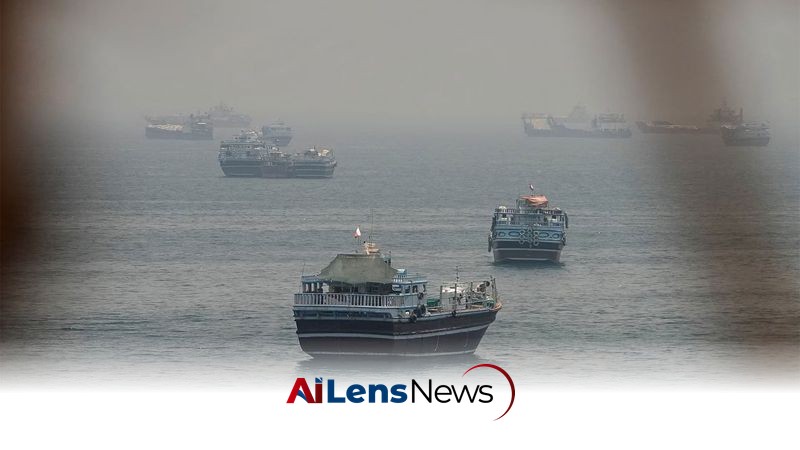


A recent attack on two ships resulted in one death and ten injuries, leading India to lodge a formal protest with Iran.
New Delhi, India Jul 15, 2026 ALN: A tragic incident unfolded in the waters near Iran, where an attack on two ships has left one individual dead and ten others injured. This alarming event has prompted the Indian government to formally protest to Iran, seeking accountability and clarity regarding the circumstances surrounding the attack.
The attack occurred in a region that has seen increasing tensions, particularly involving maritime security. Reports indicate that the two ships were targeted without provocation, raising concerns about safety in international waters. The waters near Iran have historically been significant for international shipping and trade, with many vessels passing through the Strait of Hormuz, a vital corridor for oil shipments and other goods.
According to preliminary reports, the attack took place during the early hours, with the ships being struck by unidentified assailants. Eyewitness accounts suggest that the assault was sudden and unexpected, leading to panic among the crew and passengers on board. The nature of the attack, whether it involved small arms fire, explosives, or other means, remains under investigation. This ambiguity raises concerns regarding the potential for similar attacks in the future, particularly in a region already fraught with geopolitical tensions.
The two ships involved in the incident were reportedly engaged in commercial activities, underscoring the risks faced by merchant vessels in high-risk areas. Maritime security experts have noted that incidents like these can deter shipping companies from operating in certain waters, potentially leading to increased shipping costs and disruptions in global supply chains. The attack not only poses immediate threats to the safety of those on board but also has broader implications for international trade and commerce.
The aftermath of the attack has been devastating, with one confirmed fatality and ten individuals suffering injuries of varying degrees. Emergency services were dispatched promptly to the scene to assist the injured and secure the area. The injured were taken to nearby medical facilities, where they received treatment for their wounds. The loss of life and injuries sustained in the attack highlight the human cost of maritime violence and the urgent need for improved security measures in vulnerable regions.
In light of this tragic event, maritime organizations and shipping companies are likely to reassess their security protocols when navigating through high-risk areas. The International Maritime Organization (IMO) may also be called upon to address the growing concerns regarding safety in international waters and to facilitate discussions on enhancing maritime security frameworks. The impact of such attacks can resonate throughout the global shipping industry, prompting a reevaluation of risk management strategies and contingency planning.
In response to this incident, India has taken immediate diplomatic action by lodging a protest with the Iranian government. Indian officials have expressed their concerns over the safety of maritime routes and the need for enhanced security measures to prevent such occurrences in the future. The Indian government has emphasized the importance of protecting its citizens and vessels operating in international waters, given the increasing threats posed by piracy and other forms of maritime violence.
India's Ministry of External Affairs has stated that it is imperative for Iran to investigate the incident thoroughly and ensure that those responsible are brought to justice. The Indian government is also seeking assurances that measures will be implemented to protect vessels operating in the region. This diplomatic engagement is crucial, as it reflects India's commitment to safeguarding its maritime interests and the safety of its citizens abroad.
Furthermore, India's protest to Iran may lead to discussions on broader regional security cooperation, as both nations share interests in maintaining stability in the Gulf region. Iran's response to India's concerns will be closely monitored, as it could set a precedent for how similar incidents are addressed in the future. The diplomatic dialogue that emerges from this incident may also influence bilateral relations and broader geopolitical dynamics in the region.
This attack not only raises questions about regional security but also highlights the broader implications for international shipping lanes. The safety of maritime routes is crucial for global trade, and incidents like this can have far-reaching consequences. The Strait of Hormuz, through which a significant portion of the world's oil supply is transported, is particularly sensitive to disruptions. Any threat to this vital corridor can lead to increased oil prices and economic instability, affecting countries far beyond the immediate region.
As tensions continue to rise in various parts of the world, the need for collaborative efforts to enhance maritime security has never been more critical. Countries must work together to ensure the safety of their vessels and the personnel on board. International coalitions and partnerships may need to be strengthened to address the evolving threats in maritime security. The potential for coordinated naval operations and intelligence sharing among nations could become essential components of a comprehensive maritime security strategy.
Moreover, this incident could prompt discussions at international forums, such as the United Nations, regarding the need for a coordinated response to maritime threats. The involvement of multiple stakeholders, including regional powers and international organizations, will be essential in developing effective strategies to mitigate risks and enhance security in international waters. The role of regional organizations, such as the Gulf Cooperation Council (GCC), may also be pivotal in fostering dialogue and cooperation among member states to address shared security concerns.
The attack on the two ships serves as a stark reminder of the vulnerabilities present in maritime operations. As India seeks accountability from Iran, the international community watches closely, hoping for a resolution that prioritizes safety and security in the waters. The incident underscores the importance of vigilance and preparedness in the face of potential threats, as well as the necessity for ongoing dialogue and cooperation among nations to foster a secure maritime environment.
Ultimately, the repercussions of this incident may extend beyond immediate diplomatic relations, influencing global shipping practices and security protocols. As nations navigate the complexities of maritime security, the collective effort to ensure safe passage for vessels in international waters will remain a pressing challenge for years to come. The evolving nature of maritime threats necessitates a proactive approach, where nations are not only reactive to incidents but also work collaboratively to prevent future occurrences through enhanced maritime governance and security measures.
To learn more about the latest developments in World News & International Affairs, stay updated with our exclusive reports and analyses on AiLensNews.

