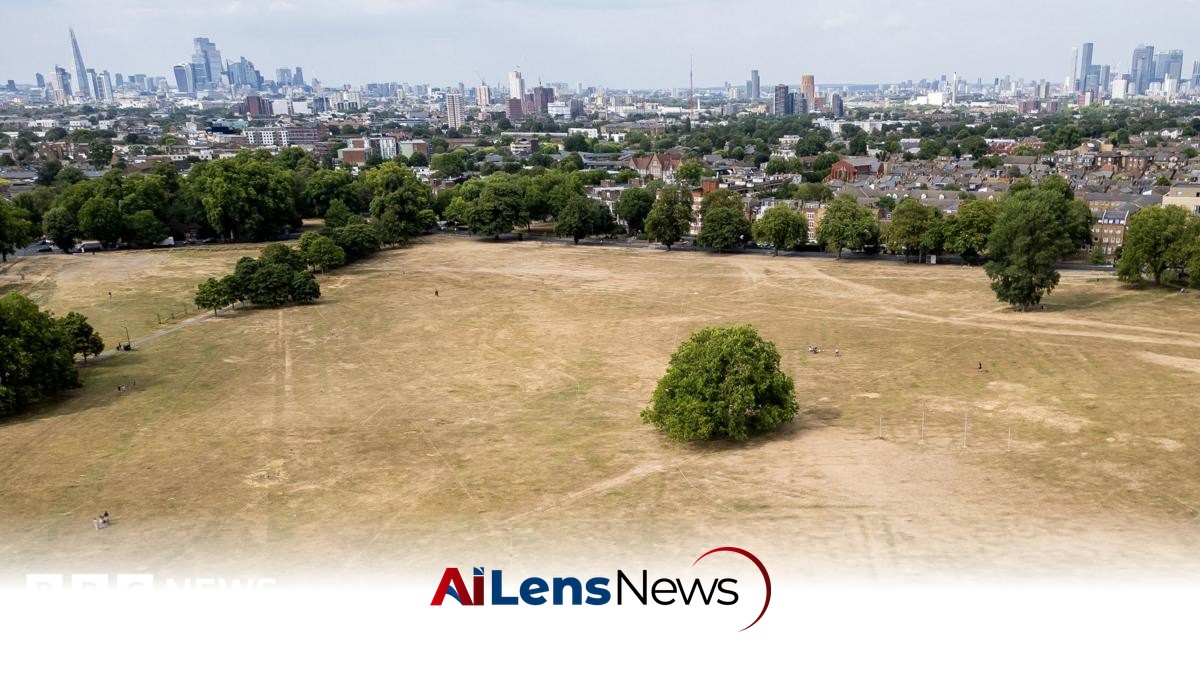


The Environment Agency has declared drought conditions affecting more than half of England, signaling potential water use restrictions as the country faces severe dry weather.
New Delhi, India Jul 29, 2026 ALN: Drought has been declared across more than half of England as hot, dry weather takes its toll on the country's water supplies.
The Environment Agency (EA) announcement covers much of central, eastern and southern England, and is a public sign that further restrictions on water use might follow. This declaration is significant as it highlights the increasing challenges faced by the region in managing its water resources amid changing climatic conditions.
The EA has indicated that the impacts of this drought are already being felt, including low river flows, early harvests, and a heightened risk of wildfires. More than 20 million people are already under hosepipe bans, which serve as a direct response to the dwindling water supplies in these areas. Such bans are typically implemented to conserve water and ensure that essential supplies remain available for drinking and sanitation.
In addition to England, North Wales and the Upper Severn river basin entered drought conditions last week, as reported by Natural Resources Wales. Meanwhile, Scotland does not officially declare drought but monitors what it terms "water scarcity." Some parts of eastern Scotland are currently categorized under the most extreme level of "significant scarcity," according to the Scottish Environment Protection Agency. Northern Ireland, however, is not currently facing drought conditions, illustrating the regional variations in water availability across the UK.
The full list of English regions in drought conditions includes:
There is no single definition of drought, but it generally refers to a prolonged period of unusually dry weather that can have significant impacts on people, nature, and the environment. The EA considers various factors, including rainfall levels, soil moisture, and river flows, before deciding whether to declare a drought in England.
This declaration is a public signal that the EA is intensifying its response to the dry conditions, which includes increased monitoring and controls on how much water can be extracted from rivers and groundwater sources. Such measures are crucial in managing the limited water resources and ensuring that they are used sustainably.
As Helen Wakeham, director of water at the Environment Agency and chair of the National Drought Group, noted, "The hot and dry weather means we are currently using water faster than nature can replenish it." This year's drought is somewhat unusual because January and February were notably wet for much of the UK, which helped to replenish reservoirs and groundwater. However, the transition to exceptionally hot and dry conditions during late spring and summer has exacerbated the situation. This rapid shift between wet and dry weather patterns is sometimes referred to as "climate whiplash," highlighting the volatility of weather patterns attributed to climate change.
In particular, July has recorded only 7% of the average rainfall levels in England, with southern England experiencing an even more severe deficit of just 1%. Some areas, such as parts of Devon and Hampshire, have gone without rain for more than a month, leading to significant stress on local ecosystems and agricultural practices.
Will Lang, the chief meteorologist at the Met Office, commented on the situation, stating, "The warm and exceptionally dry conditions experienced across much of England over recent months are continuing to have a significant impact." While early August may bring some rain to certain parts of the country, the Met Office has cautioned that there is no indication of sustained rainfall that would significantly alleviate the ongoing dry conditions.
The combination of low rainfall and prolonged high temperatures has led to increased evaporation rates, quickly depleting water reserves in soils, vegetation, and rivers. These conditions have resulted in what the EA describes as a "flash drought," a phenomenon where drought conditions emerge suddenly rather than over extended periods.
Today's announcement marks the occurrence of three droughts in the past five years, specifically in 2022, 2025, and now 2026. While droughts can occur naturally, scientists have indicated that climate change is amplifying the risks associated with these events. Rising summer temperatures lead to faster drying of soils, which can result in more severe and longer-lasting droughts. This trend has raised alarms among researchers and policymakers alike.
Moreover, some experts have pointed to underinvestment in water infrastructure as a critical issue that exacerbates the effects of drought. The EA has previously warned that without urgent action, England's public water supplies could face a shortfall of 5 billion liters per day by the middle of the century. Such a scenario would have dire implications for both urban populations and agricultural practices.
Prof. Hayley Fowler from Newcastle University emphasized that "This drought isn't just about a lack of rain. It's the result of hotter temperatures from a warming climate, rising water demand, aging infrastructure, and too much water being lost through leaks." This multifaceted nature of the crisis underscores the need for comprehensive strategies to address both the immediate impacts of drought and the longer-term sustainability of water resources.
The government has committed to improving the water industry, and various water companies have announced plans for investment in infrastructure. However, these improvements often come at a cost, leading to rising bills for consumers. The economic implications of drought extend beyond water supply, affecting agricultural productivity, food prices, and overall economic stability.
The dry conditions have far-reaching consequences for nature, particularly for aquatic species such as Atlantic salmon, which struggle to migrate upstream in low-flow rivers. Agriculture has also been significantly impacted, with farmers facing challenges in crop yields and livestock management. Paul Tompkins, deputy president of the National Farmers' Union of England and Wales (NFU), stated, "Farmers and growers have always had to contend with the weather, but what they are experiencing now is climate change in action. More extreme conditions are making it harder, riskier, and more costly to produce the nation's food." He further noted that the issue of drought is one that "should matter to everyone" as it directly affects the country’s food security.
As the situation continues to develop, some areas of the country have now entered their fourth heatwave of the year. Amber and yellow heat health alerts have been issued for parts of the UK, with temperatures potentially peaking at 35°C in parts of southeast England on certain days. Such extreme heat not only poses health risks to vulnerable populations but also creates ideal conditions for wildfires to spread.
The National Fire Chiefs Council has warned that the risk of wildfires "remains elevated across the UK," with more than 200 wildfire incidents reported in England and Wales over the past two weeks. This surge in wildfire activity is a direct consequence of the prolonged dry and hot conditions, further straining emergency services and impacting local communities.
In a related development, the Met Office has announced that the new June temperature record set last month was even higher than previously thought, following verification processes. The previously-reported figure of 37.7°C in Lingwood, Norfolk, on 26 June 2026 has been updated to 38.0°C, shattering the UK's previous June high of 35.6°C. This record serves as a stark reminder of the ongoing trend of rising temperatures and the urgent need for comprehensive climate action.
To learn more about the latest developments in Crime & Law, stay updated with our exclusive reports and analyses on AiLensNews.

