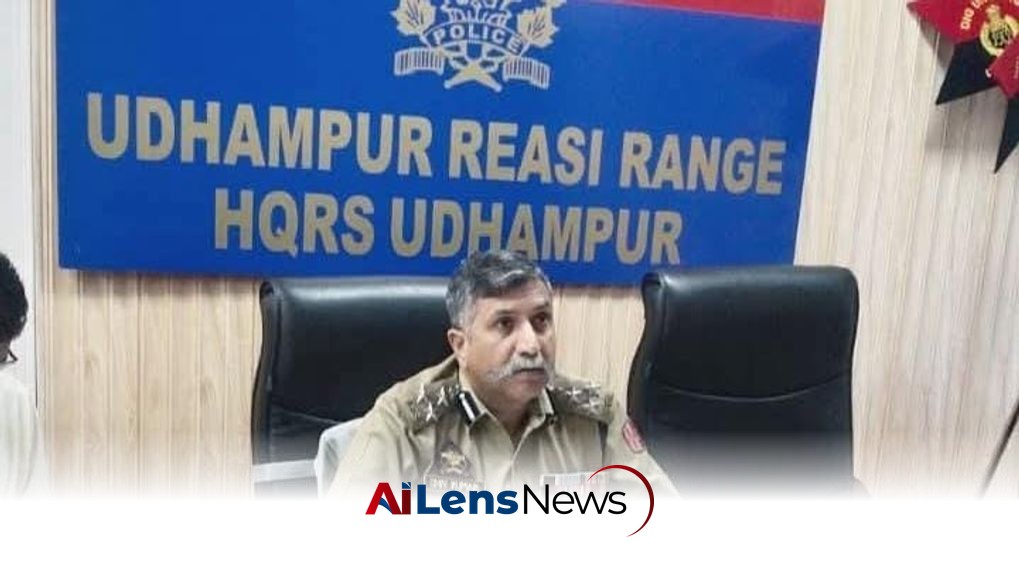


In a recent meeting, DIG Shiv Kumar Sharma emphasized the need for expedited investigations into UAPA cases, ensuring adherence to legal protocols.
New Delhi, India Jul 15, 2026 ALN: Deputy Inspector General (DIG) Udhampur-Reasi Range, Shiv Kumar Sharma, chaired a comprehensive review meeting today focused on the investigation and progress of cases registered under the Unlawful Activities (Prevention) Act (UAPA). This meeting is part of a broader initiative to address the increasing concerns over unlawful activities in the region, particularly those that threaten national security and public safety.
The UAPA is a significant piece of legislation in India that empowers law enforcement agencies to combat terrorism and other unlawful activities. Enacted in 1967, it has been amended multiple times, with the most notable changes occurring in 2004 and 2012, to enhance its provisions against terrorism. The Act allows for the detention of individuals suspected of being involved in activities that undermine the sovereignty and integrity of the nation. While it is a crucial tool for law enforcement, the UAPA has faced scrutiny over the years due to concerns about misuse and the potential for infringing on civil liberties. Critics argue that the broad definitions and powers granted under the Act can lead to arbitrary detentions and violations of human rights. However, proponents argue that it is essential for maintaining national security, especially in regions like Udhampur-Reasi, which have seen various forms of unrest and violence, including insurgency and communal tensions.
The meeting included key officers such as the Senior Superintendent of Police (SSP) Reasi, Additional Superintendent of Police (Addl. SP) Udhampur, Deputy Superintendents of Police (DySP) from various divisions including Basantgarh, Latti, DAR Udhampur, Police Component Udhampur, as well as Sub-Divisional Police Officers (SDPO) from Mahore and Ramnagar. Investigating Officers also participated, providing updates on various UAPA cases currently under investigation. This diverse representation of law enforcement officials underscores the collaborative approach being adopted to tackle these pressing issues, reflecting a unified stance against unlawful activities that threaten public safety.
During the review, DIG Sharma stressed the necessity for a speedy, professional, and evidence-based approach to all UAPA cases. He directed the Investigating Officers to accelerate the investigation process, ensuring timely collection and analysis of evidence. The emphasis on a rapid response is critical in UAPA cases, where delays can lead to the loss of crucial evidence or the ability to apprehend suspects. Furthermore, the collection of reliable evidence is paramount for securing convictions in court, as the burden of proof lies heavily on the prosecution. This urgency is particularly relevant in a region like Udhampur-Reasi, where the socio-political landscape can quickly shift, complicating the investigative process.
Additionally, he highlighted the importance of strengthening coordination with intelligence and other relevant agencies to facilitate the swift resolution of these cases. Intelligence gathering plays a vital role in preempting unlawful activities and understanding the networks that may be involved in such actions. By fostering better communication and collaboration between different law enforcement and intelligence agencies, the DIG aims to create a more cohesive strategy for addressing the threats posed by unlawful activities. This approach not only enhances the effectiveness of investigations but also ensures that law enforcement is proactive rather than reactive in its strategy against terrorism and organized crime.
Sharma further emphasized the need for strict adherence to legal procedures, advocating for thorough and transparent investigations to achieve effective prosecution. The integrity of the investigative process is crucial, not only for the successful prosecution of offenders but also for maintaining public trust in law enforcement agencies. Any perceived mishandling of cases could lead to public outcry and legal challenges, undermining the efforts to combat unlawful activities. Transparency in investigations is particularly important in sensitive regions where community relations can be strained due to past grievances or perceptions of bias in law enforcement practices.
He reiterated the commitment of the Police Department to combat unlawful and anti-national activities, vowing to take decisive action against individuals involved in such offenses in accordance with the law. This commitment reflects a broader strategy by law enforcement to address the root causes of unrest and criminality in the region, which often stem from socio-economic factors, political grievances, and a lack of opportunities for youth. By addressing these underlying issues, the authorities aim to reduce the appeal of extremist ideologies and criminal activities that can destabilize the region.
The DIG's call to action reflects an ongoing effort to enhance the efficacy of law enforcement in addressing serious criminal activities under UAPA, ensuring that justice is served promptly and effectively. The implications of these measures extend beyond immediate law enforcement; they are also tied to the larger narrative of national security and public safety. By taking decisive action against unlawful activities, the authorities aim to restore public confidence and ensure a stable environment conducive to development and peace. The challenge lies in balancing the enforcement of laws with the protection of civil liberties, a task that requires careful navigation to avoid alienating communities.
Moreover, the effectiveness of UAPA cases often hinges on public cooperation. As such, community engagement and awareness-raising initiatives may become increasingly important. The police may need to work closely with local communities to build trust and encourage reporting of suspicious activities. This approach can help in gathering intelligence and fostering a sense of collective responsibility towards maintaining law and order. Programs aimed at community policing can enhance the relationship between law enforcement and the public, creating a more supportive environment for the police to operate within.
In conclusion, the review meeting led by DIG Sharma is a critical step in addressing the challenges posed by unlawful activities in the Udhampur-Reasi Range. The focus on swift and evidence-based investigations, coupled with enhanced coordination among various law enforcement agencies, is aimed at ensuring that justice is not only served but also perceived to be served by the community. As the region continues to navigate complex socio-political dynamics, the commitment to uphold the rule of law while respecting civil liberties will be essential in fostering long-term peace and stability in Udhampur and beyond. The proactive measures taken by law enforcement must be coupled with community trust-building efforts to ensure a holistic approach to security and justice.
To learn more about the latest developments in Crime & Law, stay updated with our exclusive reports and analyses on AiLensNews.

