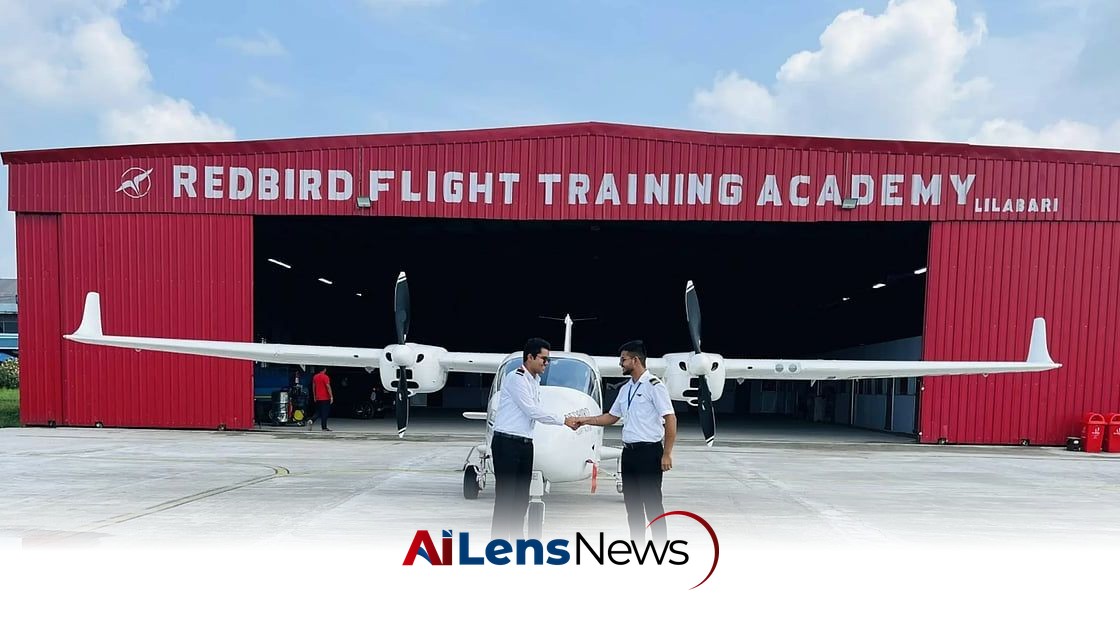


The DGCA has prohibited Redbird Flight Training Academy from admitting new students until August 2027 due to multiple complaints and operational issues.
New Delhi, India Jul 19, 2026 ALN: The Directorate General of Civil Aviation (DGCA) has barred South Asia's largest flight training school, Redbird Flight Training Academy, from admitting fresh students to its pilot training programmes until August 31, 2027, following multiple complaints from trainee pilots. This suspension is a significant development in the aviation training sector, indicating the regulatory authority's commitment to maintaining safety and quality standards in pilot training.
Redbird Flight Training Academy, which operates bases in Baramati, Kalaburagi, Lilabari, Belagavi, and Seoni, has been a prominent player in the aviation training landscape of India. Established with the aim of providing comprehensive flight training, the academy has attracted numerous aspiring pilots over the years. However, this is the second major action taken against the academy, highlighting ongoing concerns regarding its operational practices.
The DGCA's decision follows a previous suspension of operations for two months in October 2023, which was prompted by five incidents involving Redbird aircraft over a six-month period. This earlier suspension raised alarms about the safety protocols and training effectiveness at the academy, prompting a closer examination by the regulatory body.
One of the critical incidents that brought Redbird under scrutiny was an air ambulance crash on April 4, 2026, in Jharkhand, which tragically resulted in the loss of seven lives. Such incidents not only have devastating human costs but also erode public confidence in aviation training institutions. The DGCA's actions reflect a broader concern for safety and accountability within the aviation sector, especially given the increasing number of individuals pursuing careers as pilots in India.
The DGCA order, dated July 16, outlines five specific reasons for the suspension of admissions at Redbird. These include prolonged delays in completing training, which can significantly hinder a trainee pilot's career progression. Additionally, the academy's unilateral revision of training charges to Rs 3,000 per flying hour, citing higher fuel costs, has raised eyebrows. Such changes can place an unexpected financial burden on students, many of whom may already be investing substantial amounts in their training.
Furthermore, the academy has been criticized for inadequate and disproportionate fee refunds, which could leave students feeling financially exploited. The execution of revised agreements imposing additional charges and the alleged denial of access to training facilities for students unwilling to accept these revised terms further exacerbate the situation. These practices not only violate ethical standards but also contravene the principles of fair treatment expected in educational institutions.
In response to these concerns, the DGCA conducted a spot inspection of the academy's premises on July 8, where multiple discrepancies were identified. Such inspections are crucial for ensuring compliance with safety and operational standards, and they serve as a reminder that aviation training institutions must adhere to strict regulations to maintain their licenses and credibility.
According to the DGCA, Redbird currently has 435 active and 92 inactive trainee pilots. Under aviation regulations, there should be no more than 10 trainee pilots per aircraft, a guideline designed to ensure that each student receives adequate attention and training. The current ratio of active trainees to aircraft at Redbird raises questions about the quality of training being provided, as overcrowding can lead to diminished learning experiences for students.
Karan Mann, a Senior Manager at Redbird, confirmed receipt of the order and expressed the academy's intentions to address the situation. "We have more than 500 students presently and have 43 aircraft. We had placed an order for ten more aircraft and they are expected to arrive shortly. Due to global tensions, they have got delayed. We have plans for the future, including opening new bases across India shortly, including in Uttar Pradesh," Mann stated. This indicates that despite the current challenges, Redbird is focused on expanding its operations and improving its training capabilities.
The DGCA has also directed Redbird to allocate flying hours in a 70:30 ratio between students enrolled up to 2024 and those enrolled in 2025 or later. This directive aims to ensure that existing students are prioritized in their training, allowing them to complete their programmes without undue delays. Such measures are essential in maintaining trust and satisfaction among students, who invest considerable time and resources into their training.
This situation at Redbird Flight Training Academy raises broader questions about the state of pilot training in India, especially as the country experiences a surge in demand for pilots due to the rapid expansion of its aviation sector. The Indian aviation market has been one of the fastest-growing in the world, driven by an increase in air travel, the emergence of low-cost carriers, and a growing middle class eager to explore air travel options. As a result, the need for well-trained pilots has never been more critical.
However, with the increase in demand comes the responsibility to ensure that training institutions uphold the highest standards of safety and quality. Regulatory bodies like the DGCA play a vital role in overseeing these institutions, ensuring that they adhere to established guidelines and provide a safe learning environment for aspiring pilots. The actions taken against Redbird Flight Training Academy serve as a reminder that regulatory oversight is essential in safeguarding the future of aviation training and, by extension, the safety of air travel.
As the aviation landscape continues to evolve, it is imperative that flight training academies not only focus on expanding their reach but also on enhancing the quality of their training programmes. The challenges faced by Redbird highlight the importance of transparency, accountability, and adherence to safety protocols in the aviation training sector. Stakeholders, including students, regulatory bodies, and industry leaders, must work collaboratively to ensure that the next generation of pilots is well-equipped to meet the demands of the aviation industry while prioritizing safety and professional integrity.
To learn more about the latest developments in Local & Regional, stay updated with our exclusive reports and analyses on AiLensNews.

