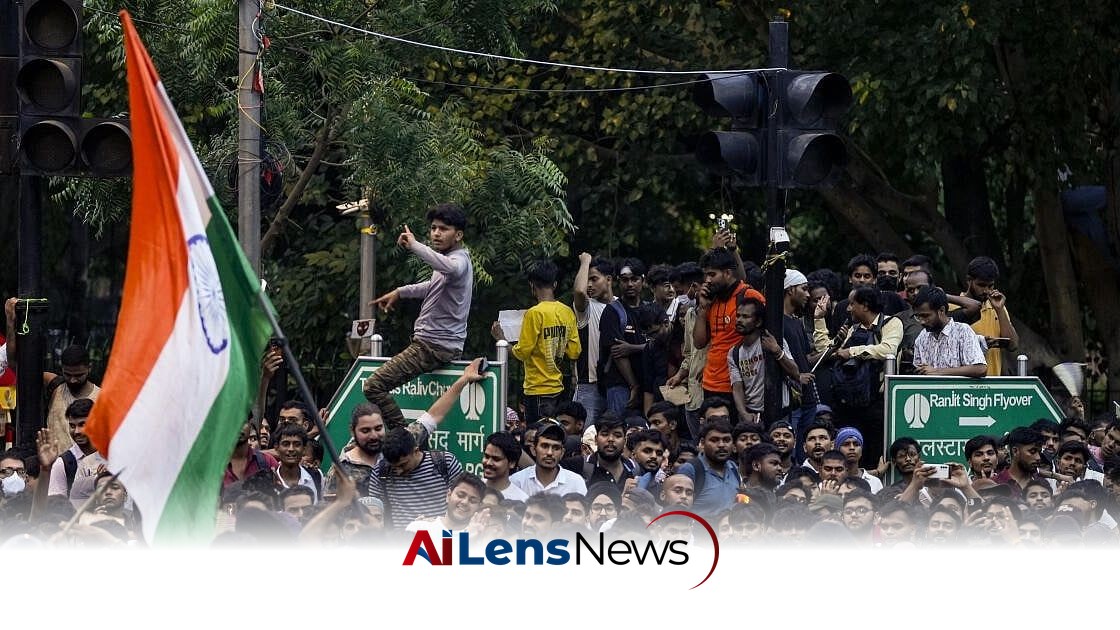


Delhi Police has blocked 480 social media accounts from Pakistan for spreading misinformation during ongoing student protests over the NEET paper leak.
New Delhi, India Jul 23, 2026 ALN: New Delhi: Amid ongoing student protests over the NEET paper leak controversy, Delhi Police on Thursday announced it has identified and blocked around 480 social media handles originating from Pakistan that were allegedly circulating fake and misleading content to exploit the situation.
The NEET (National Eligibility cum Entrance Test) is a highly competitive examination in India, serving as the gateway for students aspiring to enter medical colleges across the country. The recent controversy surrounding the NEET paper leak has sparked significant unrest among students, leading to widespread protests demanding accountability and transparency in the examination process. The protests have drawn attention not only from the media but also from political parties, with various stakeholders voicing their concerns regarding the integrity of the examination system.
In this context, the Delhi Police's announcement highlights the challenges posed by misinformation, especially in a digital age where social media serves as a primary source of information for many. The police stated that these accounts were actively amplifying misinformation and rumors related to the protests, with the intent of provoking unrest and distracting students. This tactic of spreading disinformation is not new; it has been observed in various protests and movements worldwide, where external actors attempt to manipulate narratives for their own purposes.
Authorities urged the public, particularly students, not to believe or share unverified information, edited videos, or posts from anonymous sources. The call for caution is particularly pertinent in a time when the lines between fact and fiction can easily become blurred on social media platforms. The spread of false information can exacerbate tensions, leading to panic and confusion among the public, especially in sensitive situations like protests where emotions run high.
“We have noticed that some misinformation is being spread on social media. More than 400 Pakistani social media handles have been identified so far, who are taking advantage of this situation and spreading fake content and rumours. They are being blocked,” the Delhi Police said in a video message. The identification and blocking of these accounts is part of a broader strategy to maintain order and ensure that the protests remain peaceful and focused on legitimate grievances.
The warning comes as protesters, referred to as the Cockroach Janta Party, continue their demonstration at Jantar Mantar, demanding the resignation of Union Education Minister Dharmendra Pradhan over the NEET irregularities. The choice of the name "Cockroach Janta Party" reflects the protesters' frustration with the perceived inaction and incompetence of the government in addressing their concerns. Such symbolic names are often used in protests to convey messages succinctly and effectively, capturing the essence of the grievances being voiced.
Police further claimed that many of the identified handles were the same ones active during “Operation Sindoor.” This operation, which involved the dissemination of misinformation during a previous period of unrest, serves as a reminder of the ongoing battle against disinformation campaigns that seek to undermine social stability. According to officials, the primary goal of these accounts is to incite people and create distractions during sensitive periods. The historical context of misinformation campaigns in India, particularly during times of political upheaval or social unrest, underscores the importance of vigilance in monitoring social media activities.
“My appeal to you is that for the safety of children, do not get incited by any fake posts, edited videos or posts made by anonymous handles,” a police spokesperson added. This statement reflects a growing recognition of the role that social media plays in shaping public opinion and mobilizing collective action. The police's proactive approach in addressing misinformation is crucial in maintaining public trust and ensuring that the focus remains on the legitimate demands of the protesters.
The implications of the Delhi Police's actions extend beyond the immediate context of the NEET protests. By identifying and blocking accounts that spread misinformation, the police are not only attempting to safeguard the integrity of the protests but are also sending a message about the importance of responsible social media use. In an era where misinformation can spread like wildfire, the responsibility lies not just with authorities but also with individuals to verify information before sharing it.
Moreover, the situation underscores the need for better digital literacy among the public, particularly among young students who are often more vulnerable to the influence of social media. Educational institutions, parents, and community leaders must work together to equip students with the skills necessary to critically evaluate information and discern credible sources from dubious ones. This is particularly relevant in the context of high-stakes examinations like NEET, where the stakes are high and emotions can run deep.
As the protests continue, the role of social media will likely remain a focal point of discussion. The ability of students and activists to organize and mobilize through these platforms is a double-edged sword; while it provides a means of amplifying their voices, it also opens the door to manipulation by external actors. Thus, fostering a culture of critical engagement with social media becomes essential in navigating these complex dynamics.
The ongoing developments in the NEET paper leak controversy and the associated protests will be closely watched by various stakeholders, including government officials, educational authorities, and civil society organizations. The outcome of these protests may have lasting implications for the future of the NEET examination and the broader educational landscape in India. As students continue to demand accountability and reform, it remains to be seen how the government will respond to their concerns and whether the protests will lead to meaningful changes in the examination process.
To learn more about the latest developments in Crime & Law, stay updated with our exclusive reports and analyses on AiLensNews.

